
How to See Nesting Turtles and Hatchlings at Ningaloo Without Harming Them
From late spring through to autumn, the beaches along the Ningaloo Coast turn into one of the most important sea turtle nesting grounds in the world. If you are camping at Ningaloo Station, or anywhere between Exmouth and Red Bluff, there is a fair chance you will be sleeping a few metres from a turtle nest without knowing it. That makes you part of the picture, whether you go looking for turtles or not.
This guide is our plain-language version of the Turtle Watching Code of Conduct that the Parks and Wildlife Service asks every visitor to follow. It covers when turtle season runs, what you will actually see on the beach, the four rules that keep turtles safe, and the things campers do at night that disturb them without meaning to.
The Short Version
- Turtles mate in the shallows from roughly September to December, nest on the beaches from October to March, and hatchlings emerge about 60 days after each nest is laid.
- The four rules: no glow (no torches, no flash, no headlights near the beach), move slow, stay low, and let them flow (never get between hatchlings and the water).
- Keep at least 15 metres from a turtle that is coming up the beach or heading back to the water. Only approach once she is laying, from behind, one person at a time, using a red light with your hand partly over it.
- No dogs and no vehicles on nesting beaches. Walk along the wet sand at the water’s edge, not through the dunes.
- Your best chance of seeing a nesting turtle without disturbing one is on a ranger-guided tour from the Jurabi Turtle Centre near Exmouth, which runs December to March.
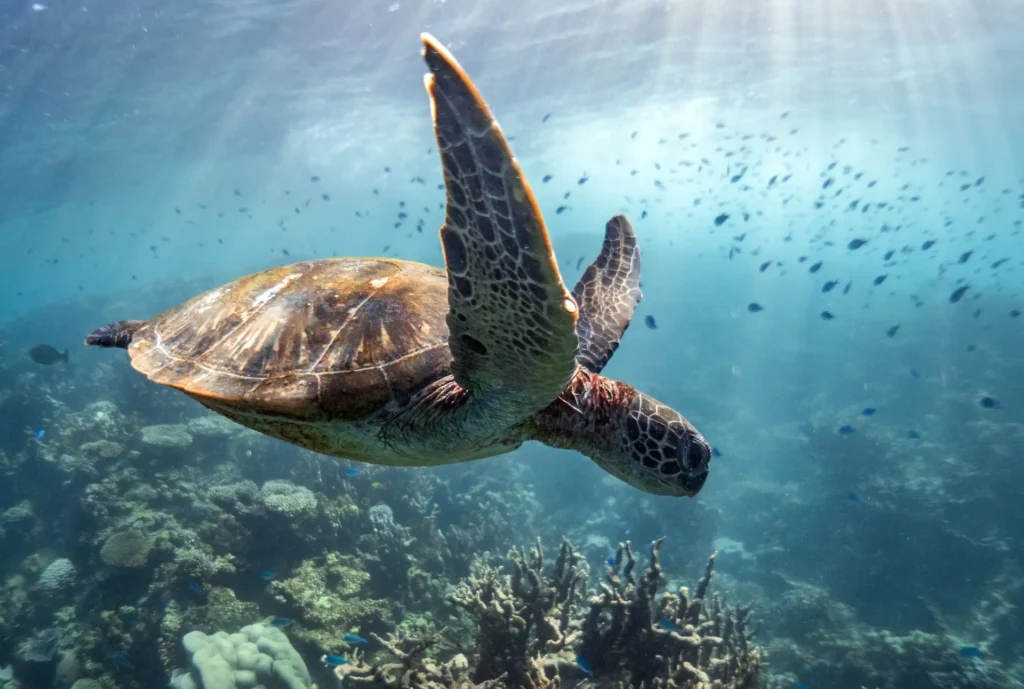
Turtle Season on the Ningaloo Coast
The Ningaloo Coast is recognised as one of the world’s most important nesting areas for green and loggerhead turtles, with hawksbills also nesting in smaller numbers. In the Baiyungu language the turtle is majun, and it has been a food source and a cultural touchstone for the Traditional Owners of this coast for tens of thousands of years. Today all three species are protected, and the green and loggerhead populations that nest here are among the healthiest left in the Indian Ocean.
Turtles are around all year. On any snorkel off the beach you can expect to see them grazing on seagrass in the lagoon or wedged under a coral bommie having a sleep. The breeding cycle, though, runs to a schedule:
- Mating (September to December). Pairs of turtles float together in the shallows just off the beach, often with several males jostling around one female. They are slow, exhausted and easy to disturb at this stage.
- Nesting (October to March, peaking December to February). Females haul themselves up the beach at night, usually on a rising tide, dig a nest above the high water mark and lay around 100 eggs before covering it and crawling back to the sea. Each female will do this several times in a season.
- Hatching (December to April). Roughly 60 days after a nest is laid, the hatchlings dig their way out, almost always at night, and scramble for the water. Only a tiny fraction will survive to adulthood, which is why every disturbed nest matters.
That window lines up with the hottest months and the cyclone season, so most turtle watchers are shoulder-season campers in October, November and March, or people staying in Exmouth and Coral Bay over summer.
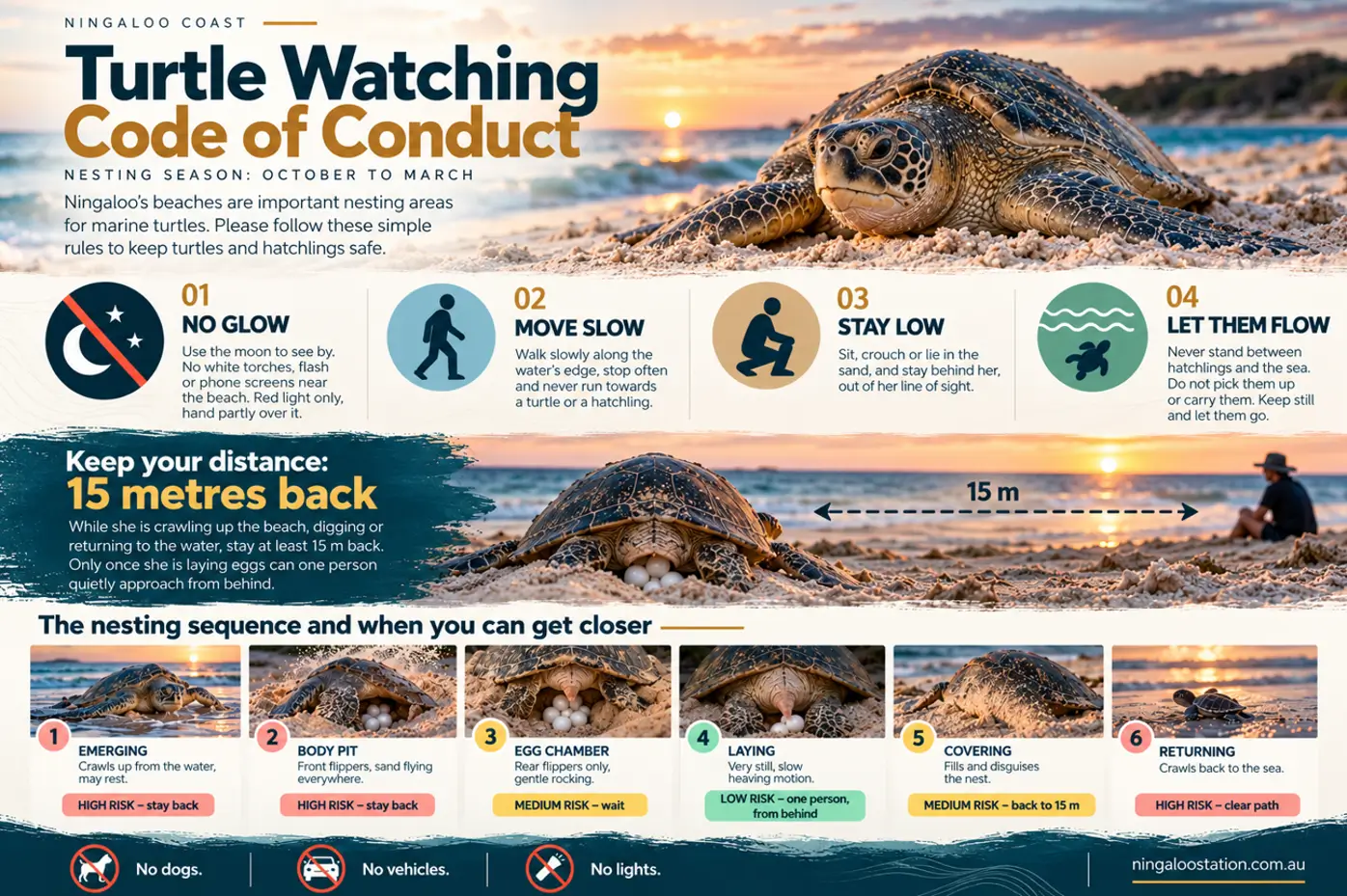
The Four Rules: No Glow, Move Slow, Stay Low, Let Them Flow
The Parks and Wildlife Service boils the whole code of conduct down to four rhyming rules. They are easy to remember and they cover almost every situation you will run into on the beach.
No glow. Light is the single biggest problem. A female turtle coming up the beach will turn around and go back to sea if she sees a torch, a camera flash or a set of headlights, and she may dump her eggs in the water rather than try again. Hatchlings are worse off: they find the ocean by heading for the brightest horizon, which on a dark beach is the sea. A torch, a lantern or a lit-up camp behind the dunes pulls them the wrong way, and they die in the sand or get picked off by crabs and birds. Use the moon to see by. If you must have light, use a red torch and keep your hand partly over it.
Move slow. Turtles see movement well, even in the dark. Walk slowly along the water’s edge, stop often, and never run towards a turtle or a hatchling.
Stay low. A standing person on a flat beach is a big silhouette against the sky. Sit, crouch or lie on the sand, and stay out of the turtle’s line of sight, which means behind her, never in front.
Let them flow. Hatchlings imprint on the beach they crawl down, and the females among them will come back to the same stretch of coast to nest 30 years later. Do not pick them up, do not carry them to the water and do not stand between them and the sea. Keep still and give them a clear run.
Watching a Turtle Nest: What You Will See and When to Approach
A nesting turtle goes through a set sequence, and the risk of scaring her off changes at each stage. The whole thing takes one to two hours, and the trick is to hold back until she is committed.
- Emerging from the water (high risk). She crawls up the beach, often stopping to rest. Stay at least 15 metres away, stay low and do not use any light at all. If she turns back at this point you have lost her for the night.
- Digging the body pit (high risk). Lots of sand flying through the air as she uses her front flippers to clear a hollow. She may move and start again if she does not like the spot. Still 15 metres, still no light.
- Digging the egg chamber (medium risk). The sand stops flying. She is scooping a narrow hole with her rear flippers only, rocking gently from side to side. Keep your distance and wait.
- Laying (low risk). She goes very still, with a slow heaving motion. This is the only stage where you can move closer: one person at a time, from behind, no closer than a metre or two, using a partly covered red light. If her flippers are moving and sand is being flicked, she is not laying, so back off.
- Covering the nest (medium risk). She fills the chamber with her rear flippers, then moves forward throwing sand around to disguise the spot. Move back to 15 metres.
- Returning to the water (high risk). She crawls back down and may rest at the water’s edge. Give her a clear path and no light.
If you are not sure which stage she is at, assume high risk and stay back. A turtle you watch from 15 metres is still a turtle you got to watch. One you scared back into the water is a lost nest.
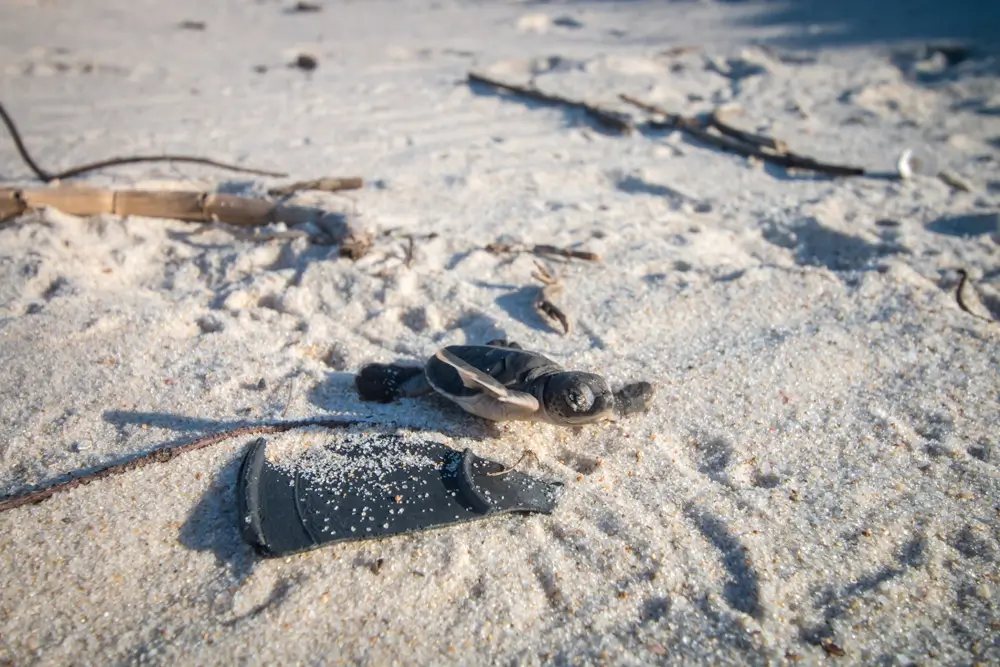
Hatchlings
Hatchlings usually emerge in a rush at night, dozens at once, and head straight for the surf. If you come across them, the rules are simple: no torches, no flash, no phone screens pointed at them, no picking them up, no digging the nest out to “help” the stragglers. Stand still, stay below the dunes and let them go. If you are walking a nesting beach at night, keep to the wet sand at the water’s edge so you are not treading on nests or on hatchlings that have just surfaced.
The one thing that does help is darkness. If your camp sits behind a nesting beach, switch off outside lights after dark, point lanterns away from the water and avoid driving into or out of camp at night with your headlights sweeping the beach.
Mating Turtles in the Water
Between September and December you will see pairs of turtles locked together at the surface in the shallows, sometimes with other males circling. They are vulnerable at this point, to boat strike, to exhaustion and to anyone who gets too close.
- Keep your distance, whether you are snorkelling, paddling or on the beach, and stay out of their line of sight.
- Do not take a boat, tinny or sailing craft into an area where turtles are mating. If you are launching at Winderabandi, Point Billie or South Lefroy Bay, go slow through the shallows and keep a lookout for turtles at the surface.
- Kayaks, paddleboards and kite surfers should also give mating turtles a wide berth.
- Turtles resting at the water’s edge are often just tired. Do not push or chase them back into the water.
Dogs, Vehicles and Camp Lights
Dogs. Dogs are not allowed on turtle nesting beaches, and there are two reasons. The obvious one is that a dog will dig up nests, chase hatchlings and send a nesting female straight back to sea. The less obvious one is that the Parks and Wildlife Service lays 1080 poison baits along these beaches to control the foxes and feral cats that raid nests. 1080 is lethal to dogs. In Nyinggulara National Park dogs are only permitted in designated areas and must be on a leash, so check the signage at your camp and keep your dog well away from the beach after dark.
Vehicles. Beaches along the Ningaloo Coast are closed to vehicles, with the exception of the marked boat launching access points. A four-wheel drive on a nesting beach crushes eggs, compacts the sand over nests and leaves wheel ruts that hatchlings cannot climb out of. If you are launching a boat, use the designated access point and the shortest line to the water. See our guide to beach tyre pressures for the driving side of things.
Lights. The Ningaloo Station camps are dark, which is part of why they are good nesting beaches. Keep them that way. Use the minimum light you need around camp at night, keep it low and shielded, and resist the urge to light up the beach to see what is out there.
Want a Guided Experience? The Jurabi Turtle Centre
The honest truth is that the easiest way to see a nesting turtle, and the least likely way to disturb one, is on a guided tour. The Parks and Wildlife Service runs evening turtle eco-education tours from the Jurabi Turtle Centre on Yardie Creek Road, about 500 metres south of Hunter Access on the western side of the North West Cape, between December and March. You meet at the centre at 6.25pm for a briefing, then drive in convoy to a nearby beach with a guide who knows how to find turtles and how to approach them.
At the time of writing the tours cost from $25 per adult and $10 per child, run for about two hours, and are suitable for ages five and up. Bring enclosed shoes, long pants, a light jacket, water and a red-light torch. Sightings are never guaranteed because the turtles are wild, but the guides materially improve your odds. The Jurabi Turtle Centre itself is a free, self-guided interpretive centre that is open all year, and it is worth a stop on the drive between Exmouth and Cape Range even outside the season.
Bookings are through the Parks and Wildlife Service online, or call the Milyering Discovery Centre on (08) 9947 8070.
If You Find a Sick, Injured or Stranded Turtle
Turtles sometimes wash up along this coast, particularly after big swells or a cyclone, and a turtle on the beach in daylight is usually in trouble. Do not try to push it back into the water. Note the location as precisely as you can, keep people and dogs away, and report it to the Parks and Wildlife Service Exmouth office on (08) 9947 8000 or the Wildcare Helpline on (08) 9474 9055. Most Ningaloo Station camps have no phone coverage, so you may need to make the call when you are next in range. Dead turtles are worth reporting too, as the tags and measurements feed into the long-running monitoring program on this coast.
Key Contacts and Links
- Jurabi Turtle Centre eco-education tours (December to March): book online or call (08) 9947 8070
- Parks and Wildlife Service Exmouth office: (08) 9947 8000
- Wildcare Helpline (sick or injured wildlife, WA-wide): (08) 9474 9055
- Ningaloo Visitor Centre, Exmouth: (08) 9949 3070
- Park alerts and closures: alerts.dbca.wa.gov.au
- Camping bookings: parkstay.dbca.wa.gov.au
The Bottom Line
Watching a turtle come ashore, dig a nest and lay her eggs a few metres from your camp is one of the great experiences this coast offers, and it costs nothing. All it asks of you is patience and darkness. Keep the torch in your pocket, sit low in the sand, stay back until she is laying, and let the hatchlings find their own way to the water. Do that and the same beach will be full of turtles when your kids bring their own.
For the rest of what you need to know before a trip, start with our guides to booking release dates and the current campground status.
Want to Stay at Ningaloo station?
Use our Travel Calculator
More Locations
Check out the rest of the Locations available
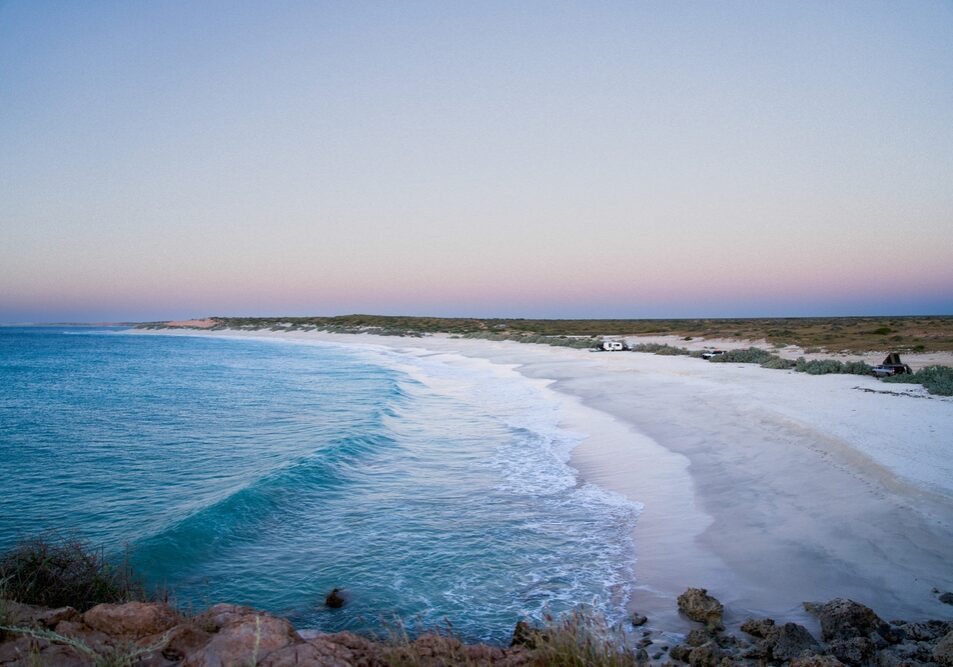
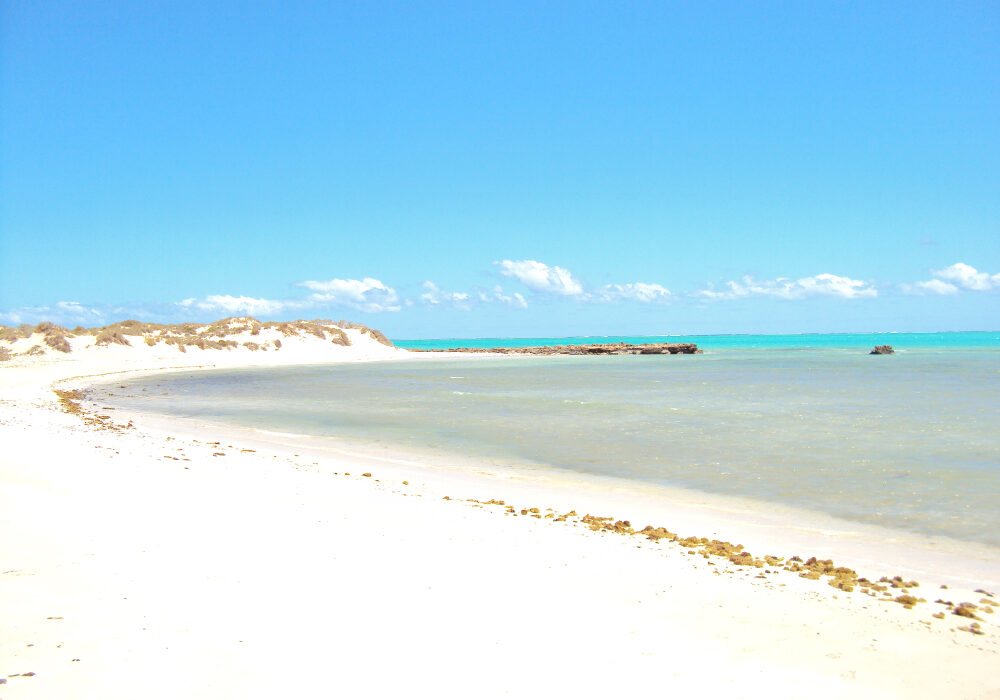
14 Mile Beach Camp
14 Mile Beach Camp is a remote, off-grid beachfront campground near Coral Bay with white sand, turquoise water, big skies and epic sunsets.
It’s dog-friendly (on lead) and well-priced, but you need to arrive prepared because there are no toilets, showers, or water on site.
Boat Harbour Campground
Secluded 4WD-access campground with basic amenities near Ningaloo Marine Park.
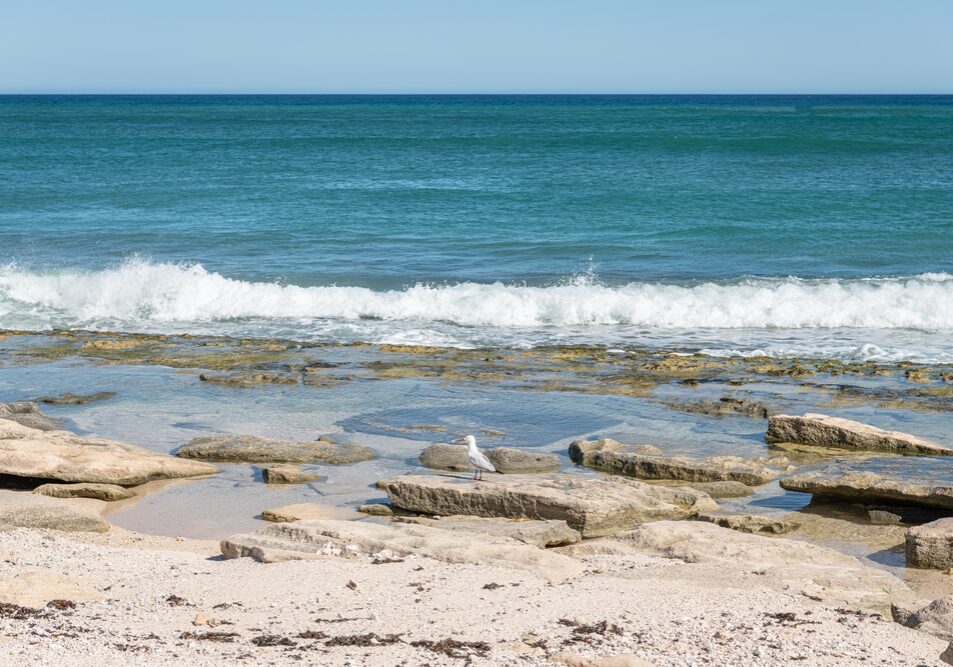
Bruboodjoo Campground
Bruboodjoo Campground is a large, off-grid coastal camping area north of Coral Bay suited to self-contained travellers, especially fishers and boat owners.
Expect big open sites, beach launching access, and a remote feel rather than structured campground facilities.
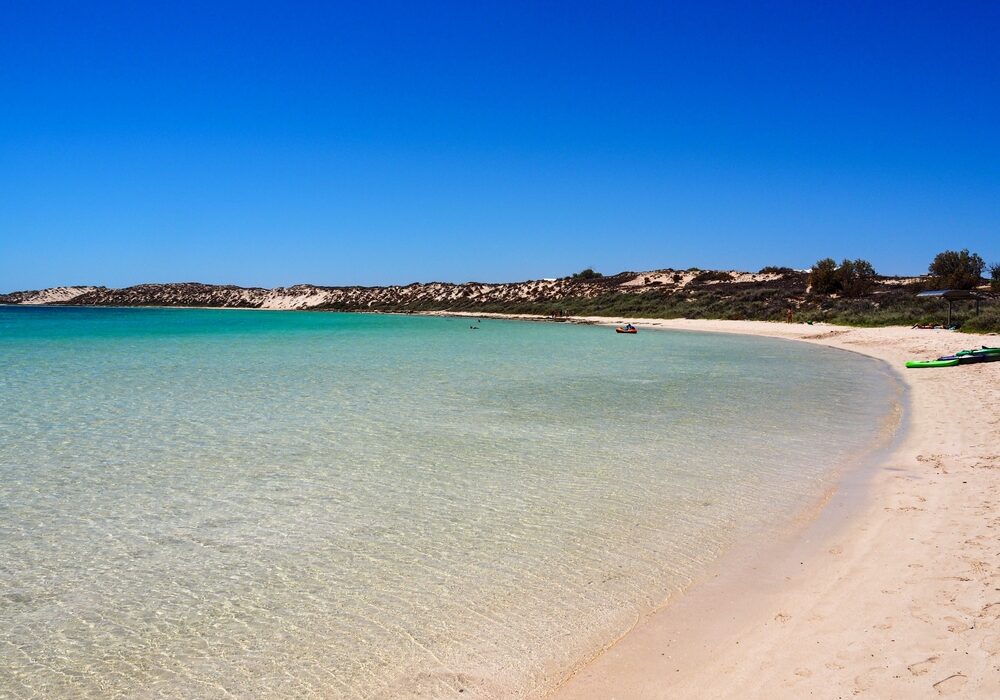
Bungarra Campground
Bungarra Campground is a small inland campground set slightly back from the shoreline, offering a quieter and more sheltered stay than the beachfront sites.
With only a handful of camps and a short walk to the water, it suits travellers who want proximity to the coast without being directly exposed to wind and salt.
Janes Bay Campground
Janes Bay Campground is a remote coastal campsite suited to travellers who want space, simplicity and a proper off-grid stay.
There are no built facilities, just open camps, ocean views and plenty of wind. The journey in can be rough, so it’s best suited to well-prepared campers with capable vehicles and everything they need on board.
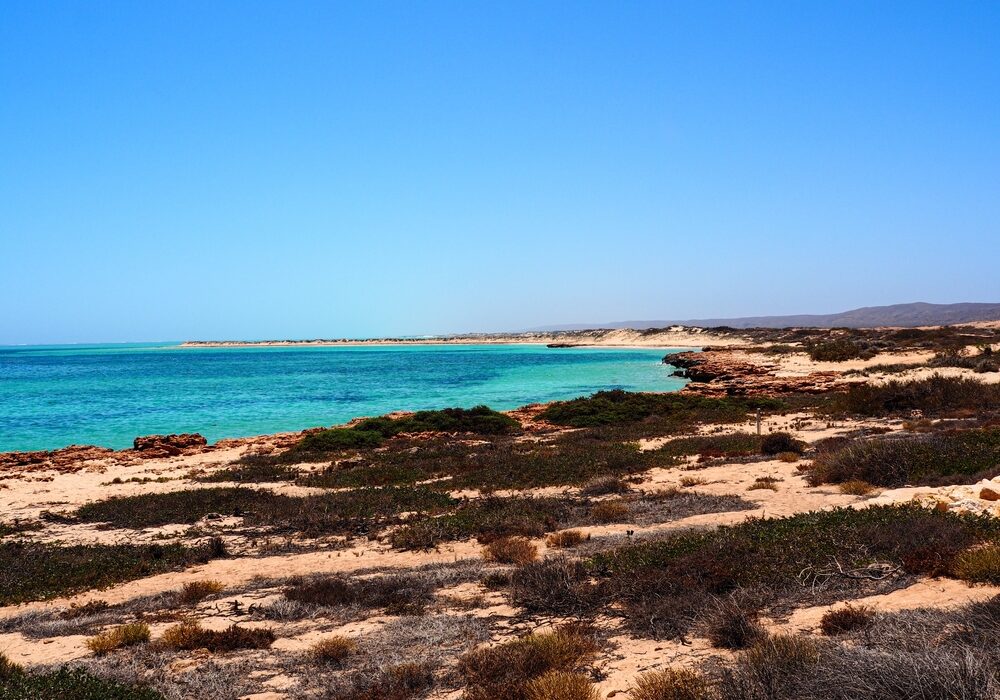
Kurrajong Campground (Cape Range)
Kurrajong Campground is a quieter Cape Range campground with easy dune access to the water, clean facilities and a laid-back feel.
It’s a solid choice for travellers who want a more peaceful base, simple amenities, and quick access to swimming and reef time.
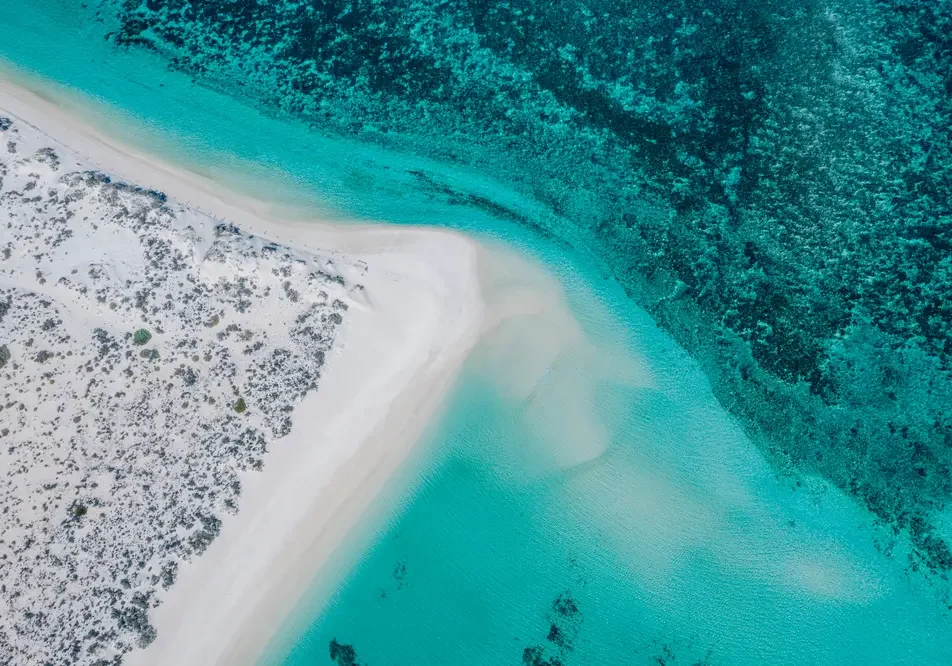
Mesa Camp
Mesa Campground is a popular coastal campground with spacious sites, beach access and easy launching for small boats.
Facilities are simple but well maintained, and some sites have shade. Generators are permitted during set hours.
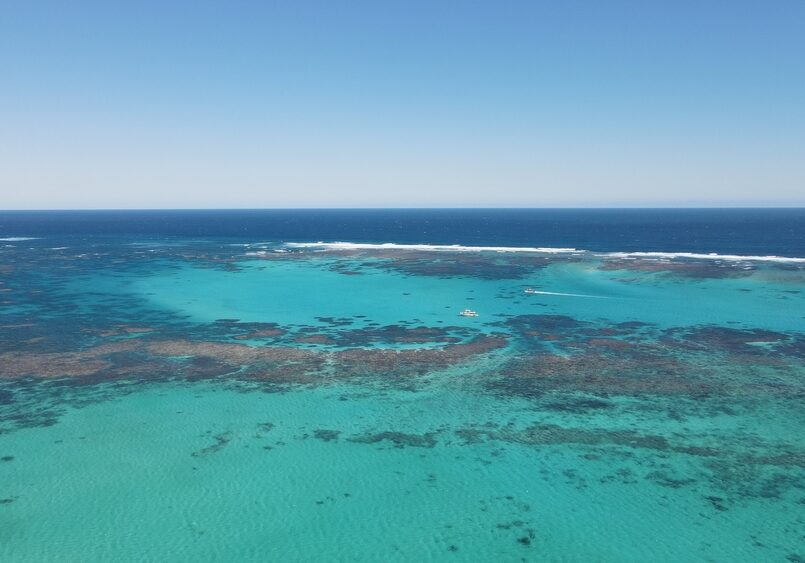
Neds Campground
Neds Campground is a small, peaceful campground tucked behind the dunes with a short walk to a quiet swimming beach and excellent sunset views.
Sites are spacious, some with tree cover, and facilities are simple but well maintained.
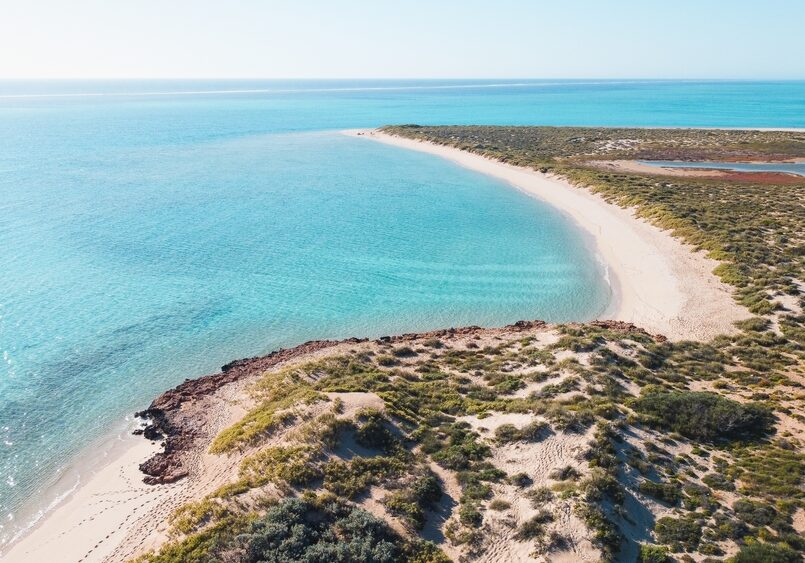
North Kurrajong & T-Bone Campground (Cape Range)
North Kurrajong Campground is a spacious coastal campground set just behind the dunes with easy access to reef and swimming areas.
Facilities are basic but well maintained, and the location is known for wildlife sightings, snorkelling and peaceful surroundings.
Best suited to self-sufficient travellers wanting nature, quiet and proximity to the reef rather than a serviced camping area.
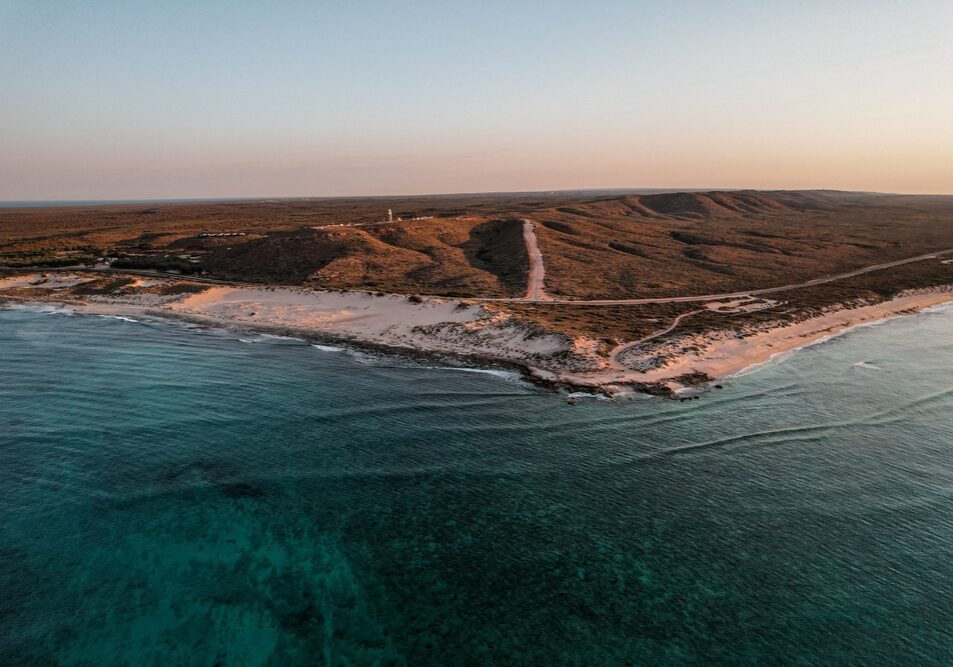
North Lefroy Campground
North Lefroy is a spacious beachfront campground with large private sites and excellent access to fishing and boating.
Facilities are basic and the access track can be rough and sandy, so a capable 4WD and lowered tyre pressures are essential.
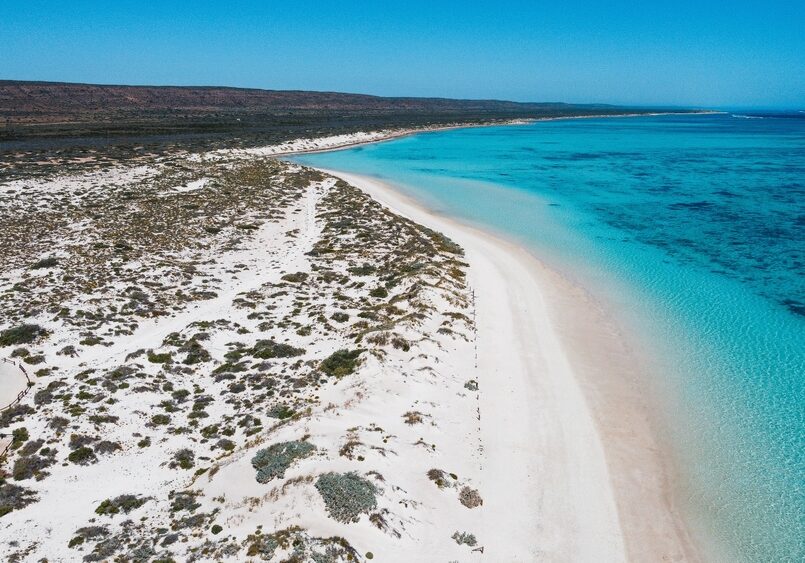
North Mandu Campground
North Mandu is a small, secluded campground with only a handful of sites tucked behind the dunes.
Facilities are simple but generally well maintained, and the location offers peaceful camping close to some of the best beaches and snorkelling areas in Cape Range.
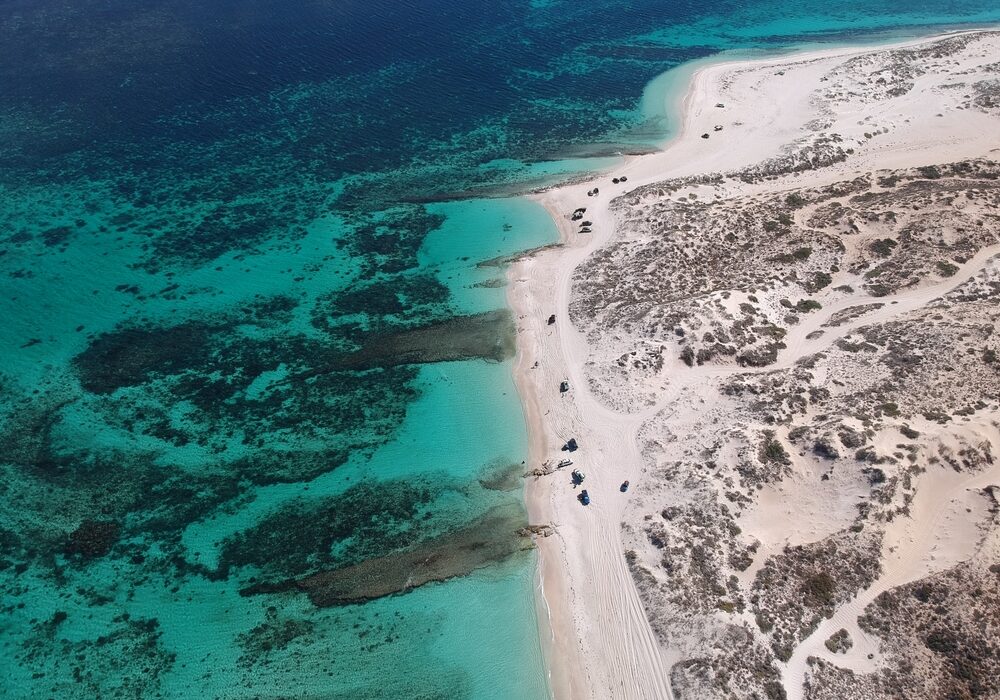
One K Campground
One K is a quiet and remote campground suited to self-sufficient travellers looking for space and solitude.
Facilities are basic and access requires some preparation, including lowering tyre pressures before arrival.
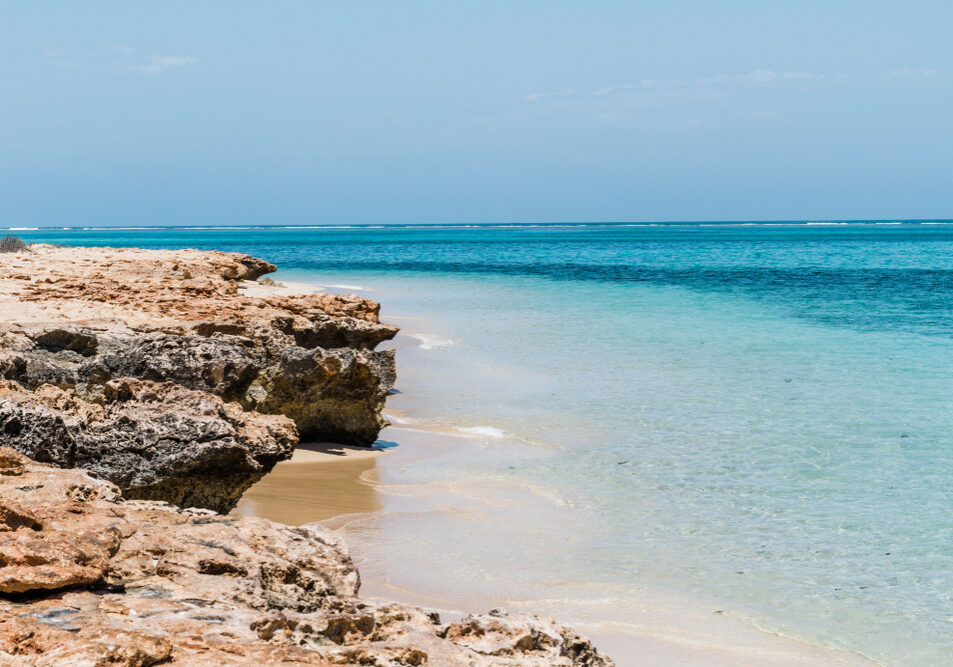
Osprey Bay Campsite
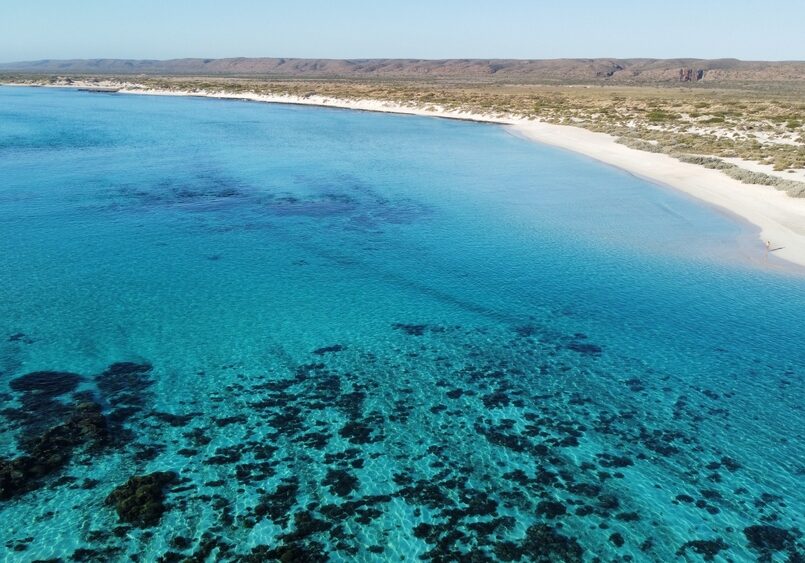
Osprey Bay Campsite is one of the standout campgrounds on the Ningaloo coast, with big, well-spaced sites right by the water, spotless long-drop toilets, and unreal snorkelling straight off the beach.
Point Billie Campground
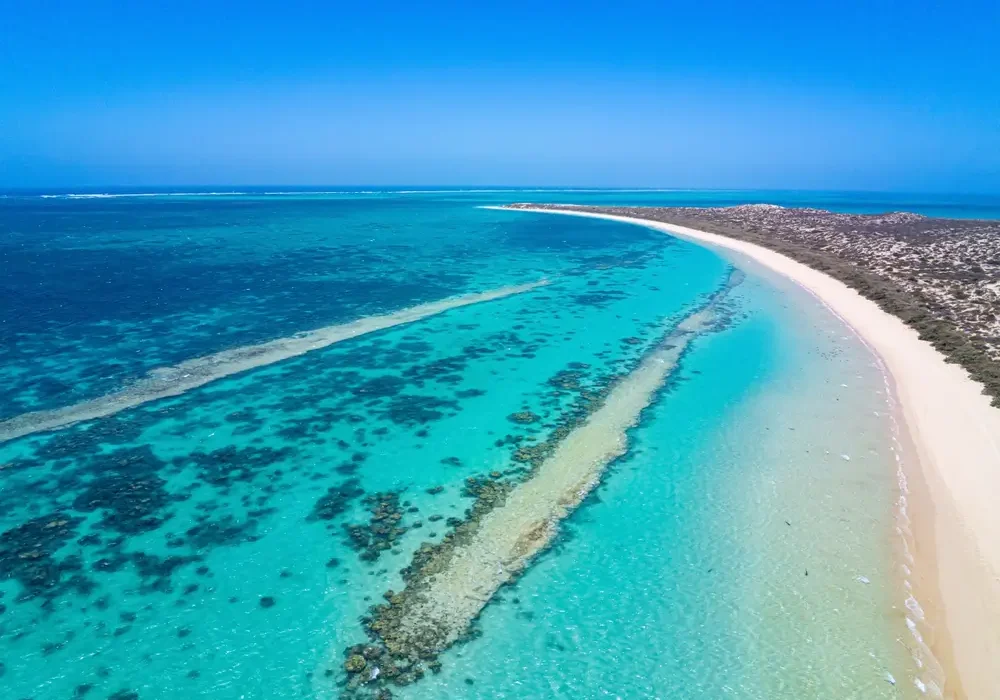
Point Billie Campground is a big, off-grid Ningaloo Station campground best suited to boaters and fishos, with huge sites, cracking sunsets, and plenty of wildlife. Expect wind, exposure and a rough corrugated 4WD approach.
Sal Salis Ningaloo Reef
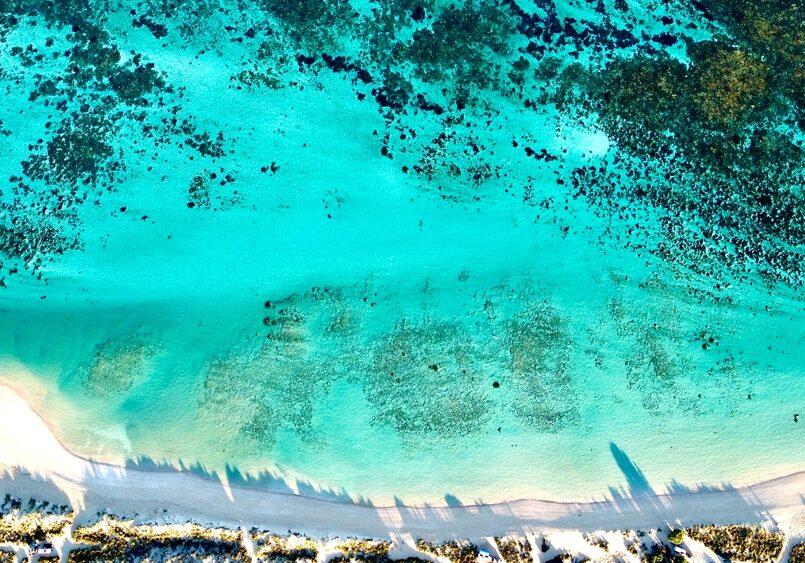
Sal Salis offers an exclusive, eco-luxury safari camp set within the dunes of Cape Range National Park, overlooking Ningaloo Reef.
With just 16 wilderness tents and one honeymoon tent, the experience blends barefoot comfort with guided nature-based activities and all-inclusive hospitality in a remote coastal setting.
South Lefroy Bay Campground
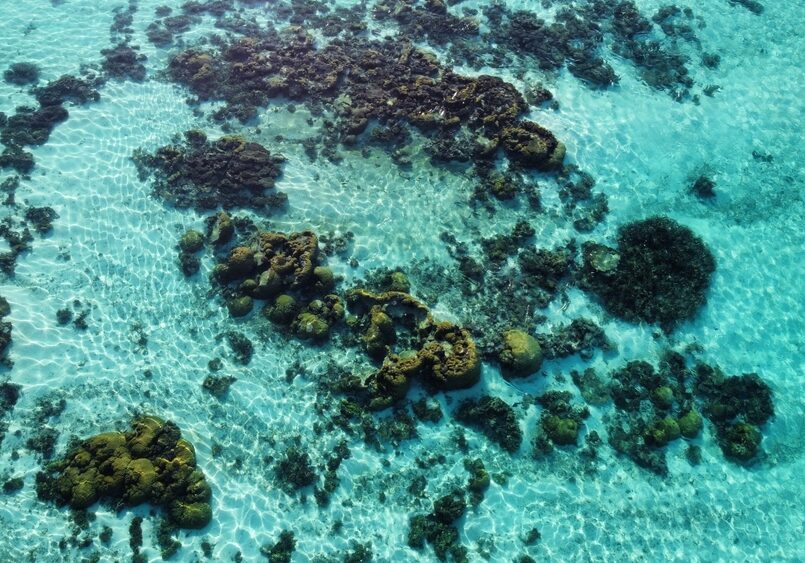
South Lefroy Bay Campground is a seriously special Ningaloo Station beach camp with clear, calm turquoise water and reef access straight off the sand.
Stans Camp (Overflow Camp)
A basic Ningaloo Station overflow campground sitting inland from the reef line. It’s open, exposed and self-contained only, often used when nearby beachfront camps are full.
The Ridge Campground
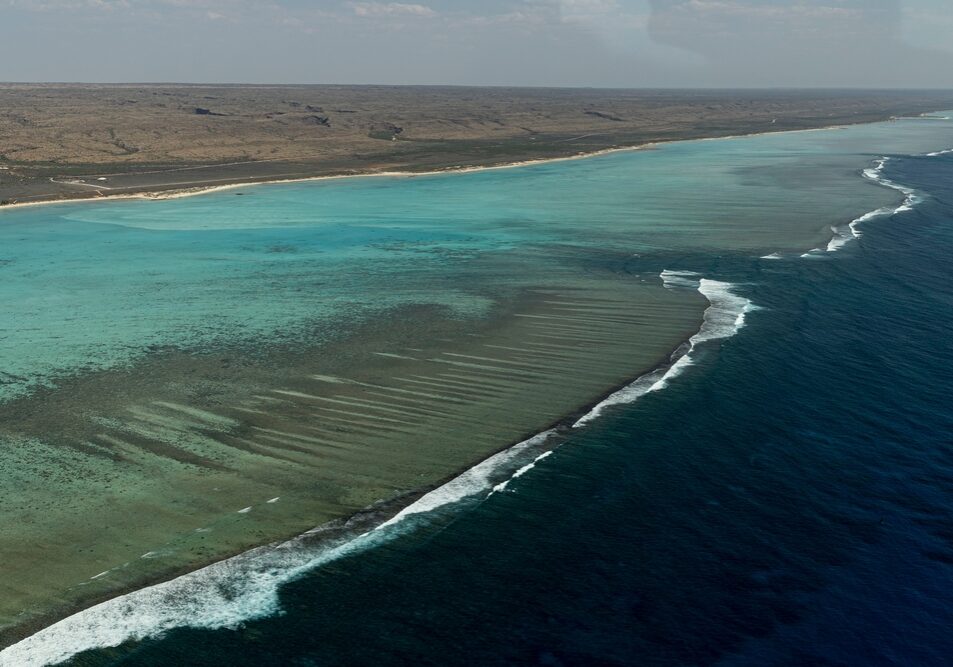
Remote bush campground south of Coral Bay with unpowered sites and basic facilities.
Tulki Beach Campground
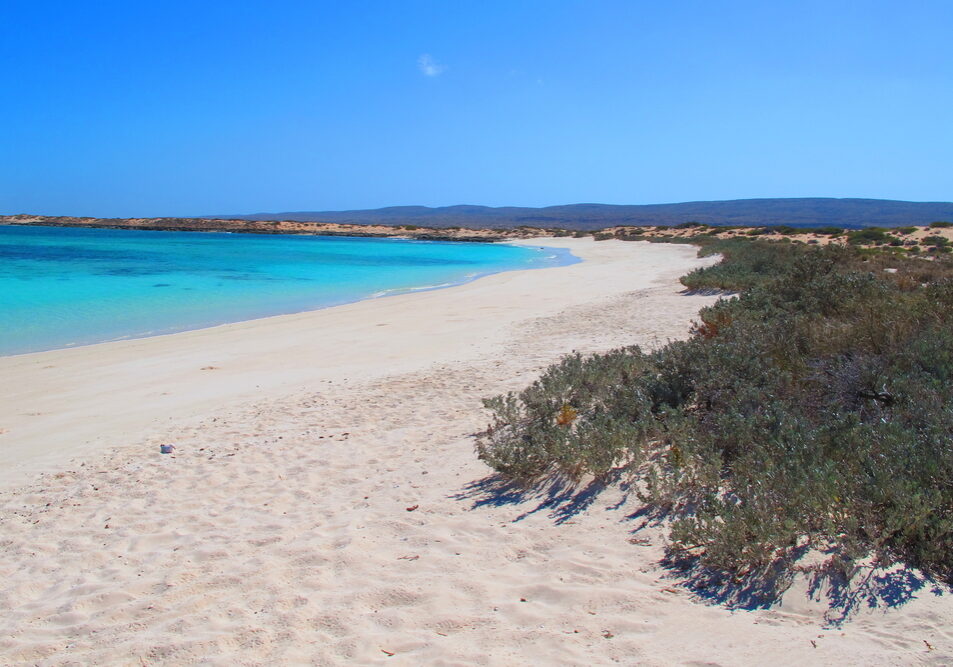
Tulki Beach Campground is a small, well-kept Cape Range National Park campground known for its peaceful feel and proximity to some of Ningaloo’s best snorkelling areas.
Not directly on the reef edge, but close enough to paddle or walk to the water with ease.
Winderabandi Point Campground
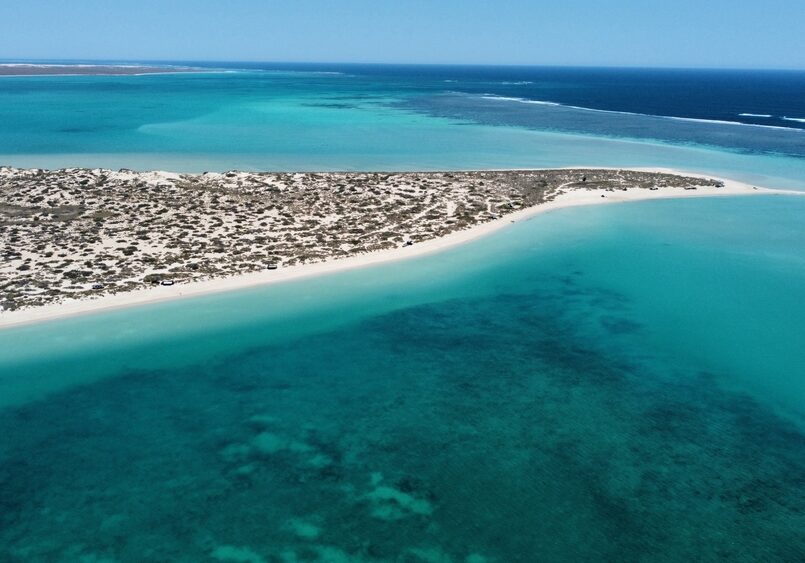
Winderabandi Point Campground is a remote beachfront campground on Ningaloo Station offering one of the most immersive reef and wildlife experiences along the coast.
Expect true off-grid camping, soft sand access and wide-open ocean views. It rewards preparation – and punishes complacency.
Yardie Creek Campground
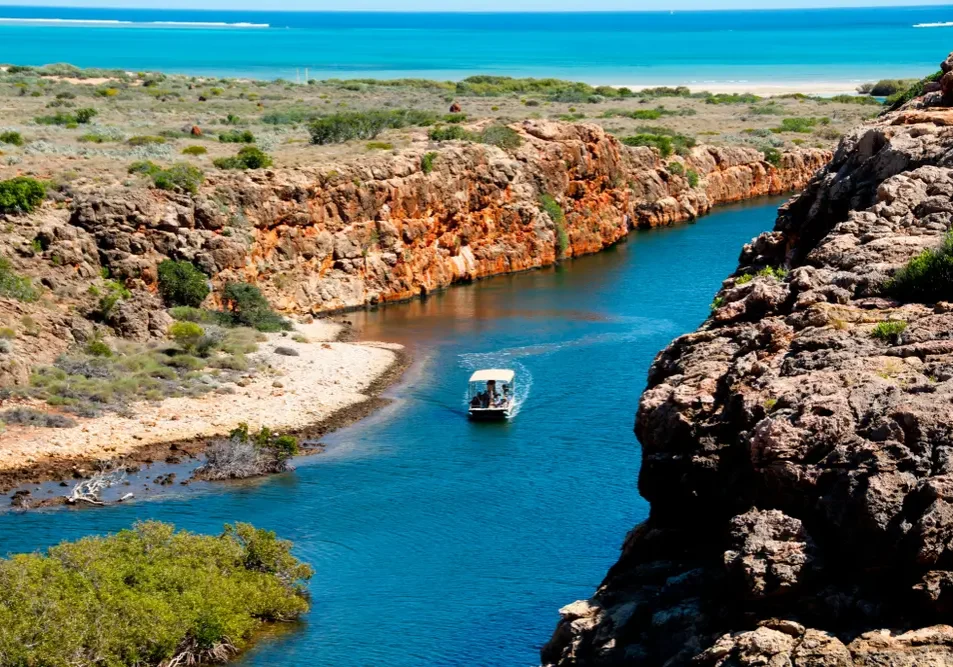
Yardie Creek Campground is a small, beachside Cape Range National Park campground near the Yardie Creek gorge walks. People rate it highly for the location, sunsets, stargazing and the camp host vibe, but it’s basic and books out fast.
Bring water, expect long-drop toilets, and plan around the creek crossing if travelling south.