
Last updated: 6 November 2026.
Most people who make the long drive up to Ningaloo come for the whale sharks, the mantas and the humpbacks. Fewer realise that some of the biggest animals cruising past the North West Cape are on their way to, or coming back from, a remote ring of coral more than 1,000 kilometres to the north-east called Scott Reef.
Scott Reef is now at the centre of one of Australia’s biggest environmental fights, over Woodside’s plan to drill for gas right beside it. At the same time, a proposed industrial port is back on the table just south of Exmouth, in the gulf where Ningaloo’s humpbacks rest and raise their calves. This article pulls both stories together, explains how they connect to the reef you came here to see, and asks some fair questions about who actually benefits when these projects go ahead.
At a Glance
- Scott Reef is an isolated oceanic reef system about 300km off the Kimberley coast, roughly 425km north of Broome. It’s a refuge for endangered pygmy blue whales and nesting green turtles.
- The link to Ningaloo: pygmy blue whales migrate up and down the WA coast between the Perth Canyon and Indonesia, feeding off the North West Cape on the way and passing Scott Reef further north. Same whales, same highway.
- Browse: Woodside wants to tap the Browse gas fields next to Scott Reef and pipe the gas around 900km to the North West Shelf plant near Karratha. It’s a roughly $30 billion project still waiting on state and federal decisions.
- Exmouth Gulf: the proposed Gascoyne Gateway marine complex, 10km south of Exmouth, would include a 1km wharf and more than one million cubic metres of dredging. Public comment closes 16 November 2026.
- The bigger question: are Australians, Traditional Owners and coastal communities getting a fair return for the risks? We look at the tax and royalty numbers from both sides.
What Is Scott Reef?
Scott Reef sits way out on the edge of the continental shelf in the Timor Sea, a long way from anywhere. It’s made up of two big coral atolls (North and South Reef) plus Sandy Islet, a tiny sand cay that’s an important nesting ground for green turtles. It’s often described as Australia’s largest standalone oceanic reef.
The Australian Conservation Foundation (ACF) describes it as a sanctuary for thousands of marine species, with shallow lagoons that act as breeding grounds for migratory animals. Environs Kimberley puts the numbers at around 29 marine mammal species, roughly 900 fish species and about 1,500 invertebrate species. Its residents include green humphead parrotfish (which grow up to 1.3m and help keep the coral clean), wrasse, sea fans and the big plate-forming Acropora corals that build the reef itself.
Scott Reef is also one of the best-studied reefs in the country. It lost most of its coral in the 1998 mass bleaching event and, over the following decade or so, largely rebuilt itself, which scientists at the Australian Institute of Marine Science (AIMS) found surprising for such an isolated reef. That kind of resilience is exactly why many people argue it’s worth protecting rather than putting under extra pressure.
The Whale Highway That Links Ningaloo and Scott Reef
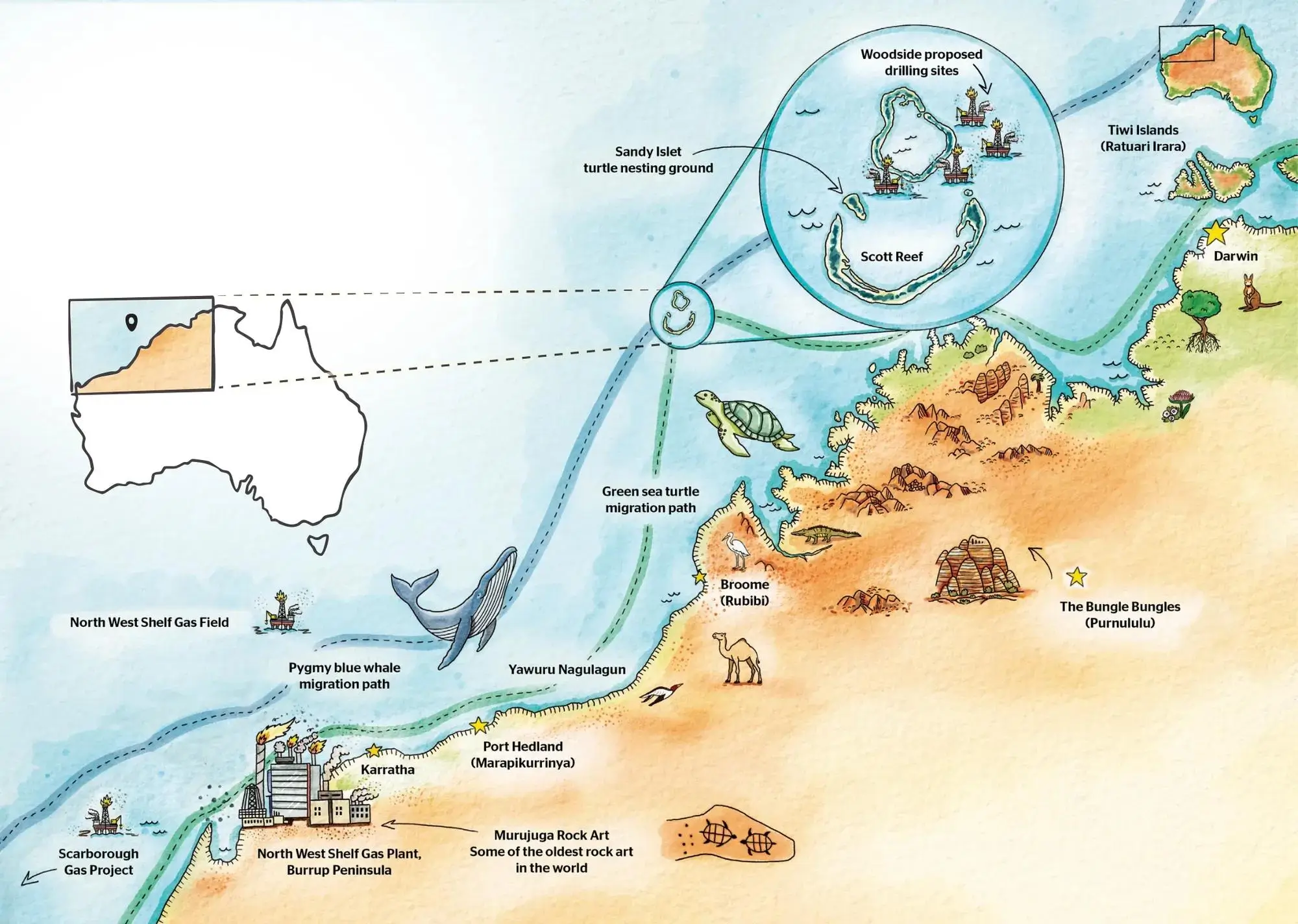
Look at the map above and follow the blue whale line. Pygmy blue whales, a subspecies of the largest animal that has ever lived (up to about 24m long and 90 tonnes), spend summer feeding on krill in the Perth Canyon and off the Naturaliste Plateau, then travel north along the WA coast to breeding grounds in the Banda Sea in Indonesia. Then they come back again.
Their route is recognised internationally as the Eastern Indian Ocean Blue Whale Migratory Route, an Important Marine Mammal Area. Off Exmouth and the North West Cape, researchers regularly see the whales milling about and lunge feeding, so the waters off Ningaloo are treated as a feeding area in their own right. Further north, the route passes Scott Reef and the Browse Basin, which conservation groups describe as important foraging habitat on the way to Indonesia.
AIMS and the Centre for Whale Research have been satellite tagging pygmy blue whales since 2019 to map exactly where they go and where they feed. In 2024, a spotter plane on a tagging flight photographed what scientists believe is the youngest pygmy blue whale calf ever seen in Australian waters, swimming beside its feeding mother off the Ningaloo coast.
Green turtles tell a similar story. The map shows their migration paths linking Scott Reef and Sandy Islet with feeding and nesting areas across the north-west. Ningaloo is one of WA’s key turtle nesting coasts too (if you’re here between December and March, check out our turtle watching code of conduct).
The point is simple: the north-west coast isn’t a set of separate reefs. It’s one connected system. Noise, ship strikes or a big spill at one end of the highway don’t stay there, and the animals you see at Ningaloo are the same ones that need Scott Reef and Exmouth Gulf to be healthy.
What Woodside Wants to Do at Browse
The Browse Basin is a 140,000 square kilometre offshore gas province that Woodside has called “Australia’s largest undeveloped gas resource”. The gas sits in the Torosa, Brecknock and Calliance fields, with Torosa lying beneath and around Scott Reef. Woodside’s joint venture partners are BP, Japan Australia LNG (MIMI) and PetroChina.
This isn’t the first attempt. In 2013 Woodside dropped plans to pipe the gas to an onshore hub at James Price Point near Broome after strong opposition from local communities, tourism operators, First Nations custodians and environmental groups. In 2016 a floating LNG plan was shelved because of cost. The current plan is:
- Around 50 wells drilled in the area around Scott Reef (per Environs Kimberley).
- Two floating production facilities, connected to a seafloor pipeline of roughly 900km to 1,000km running south to the North West Shelf gas plant on the Burrup Peninsula (Murujuga), near Karratha.
- A project worth around $30 billion, with most of the gas exported as LNG.
- Direct emissions of about 6.4 to 6.8 million tonnes of CO2 a year (ABC reporting), with the ACF estimating around 1.6 billion tonnes of climate pollution over the project’s life once the gas is burned.
Browse is closely tied to the North West Shelf plant, which federal Environment Minister Murray Watt approved in 2025 to keep running until 2070. That approval came only months after the Murujuga cultural landscape, home to some of the oldest rock art in the world, was added to the World Heritage list.
The Risks Being Raised
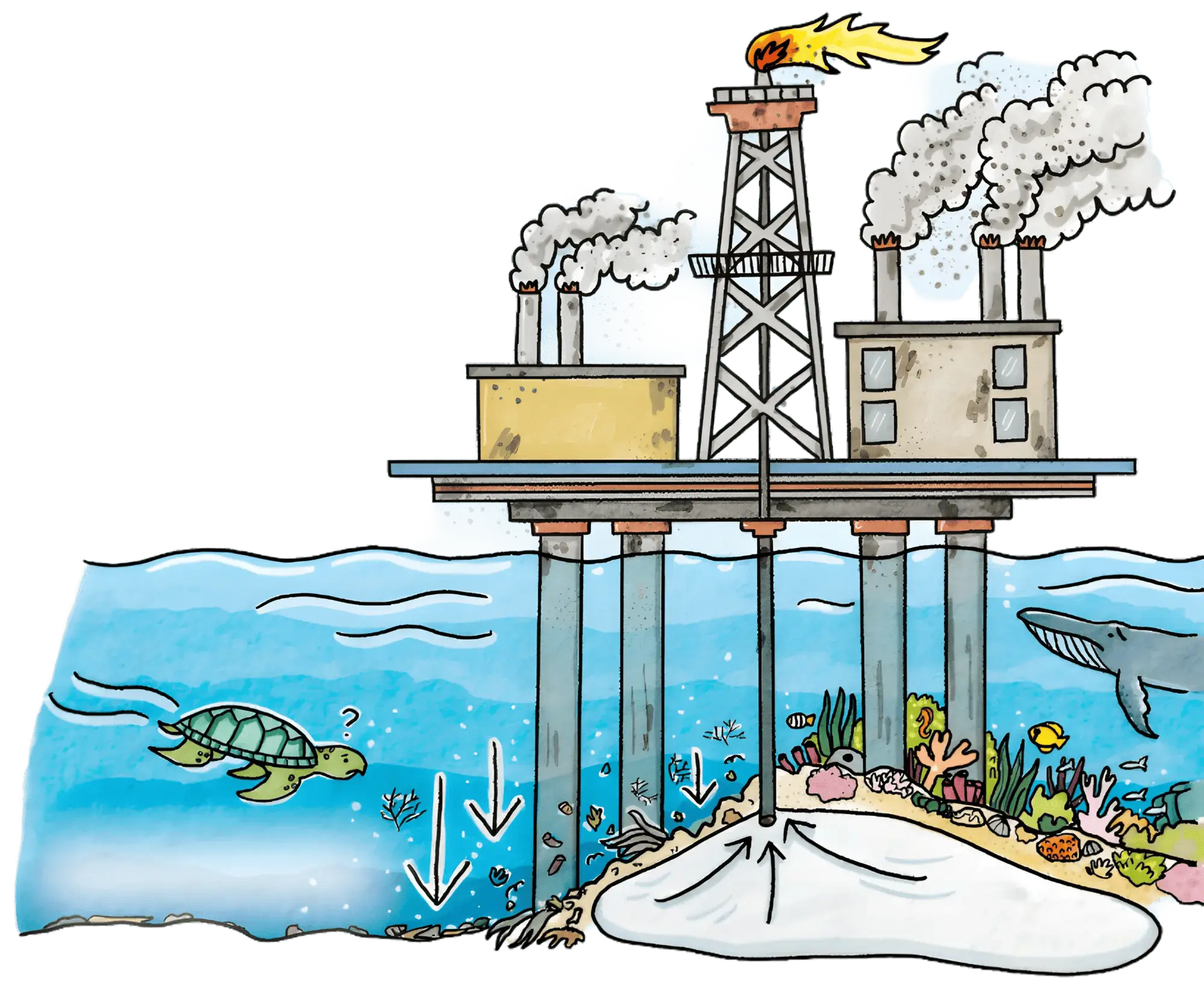
Oil and condensate spills. Woodside’s own modelling, reported by the ABC in August 2026, shows a worst-case blowout could release nearly 900,000 barrels of condensate over 77 days, around 30 times the 2009 Montara spill in the Timor Sea. Woodside describes the impacts of that scenario as “severe and potentially irreversible”, possibly reaching Indonesia and Timor-Leste, but says it’s highly unlikely. Its more credible scenario is a 12-hour leak of about 5,600 barrels. Independent experts have questioned how reliable the main safeguard (pyrotechnic shear rams that can’t be function tested) would be, and how long capping and relief wells would take to arrive.
Noise and whales. Drilling and survey noise can affect whale hearing and behaviour. The ACF warns it could disrupt the bond between mothers and calves. In early November 2026, Greenpeace reported that Woodside had lodged plans with the offshore regulator NOPSEMA for geotechnical surveys at Scott Reef, in an area it describes as pygmy blue whale foraging habitat.
Turtles. The ACF says extracting gas from beneath the reef could cause the seabed, and with it a critical turtle nesting site, to sink. Night-time flaring and lighting can also disorient hatchlings.
To be fair to Woodside, it has changed the plan in response to some of these concerns. In 2025 the WA EPA accepted amendments that ban planned night-time flaring at drilling units, keep drill centres at least 20km from Sandy Islet, shrink the development area and add technology aimed at reducing the risk of losing control of a well. Whether that’s enough is the question regulators now have to answer.
Where the Approvals Are At
- WA EPA: still assessing the state waters part of the project after several years. Documents released in October 2026 show the EPA warned Woodside of “serious, significant and irreversible” harms to Scott Reef. The EPA’s report and recommendation go to the WA Environment Minister, with a three-week public appeal period, before a state decision.
- Federal: a larger version of the project is being assessed separately under national environment law (the EPBC Act), with the final call sitting with the federal Environment Minister.
- Public interest: more than 17,700 submissions were made to the WA EPA on the 2025 amendments alone, and the ACF says more than 70,000 Australians have made submissions calling on the federal minister to reconsider.
Closer to Home: The Exmouth Gulf Port Proposal
While Browse is a long way north, the second project is right on Ningaloo’s doorstep. Gascoyne Gateway Ltd is proposing the Gascoyne Gateway Marine Complex at Qualing Pool, about 10km south of Exmouth. Locals know the spot for Barbeque Beach, a popular place to snorkel, fish and relax.
- A rock causeway, jetty and roughly 1km-long wharf.
- More than one million cubic metres of seabed dredging.
- Designed to service cruise liners, Defence vessels and marine supply vessels, which campaigners say would bring offshore oil and gas support ships, fuel tankers and cargo ships into the gulf.
- Onshore, a warehouse, desalination plant, bulk fuel storage, solar farm and access roads.
Exmouth Gulf is often called Ningaloo’s nursery. It’s a resting and nursing ground for one of the world’s largest humpback whale populations, and home to dugongs, manta rays, sawfish, dolphins and seagrass meadows. Back in 2021 the WA EPA’s own strategic advice identified Qualing Pool as a sensitive area and recommended a high level of protection. In September 2025 the WA Government committed to a marine park covering the whole gulf, jointly managed with Traditional Owners and with at least 30% fully protected, and the gulf is being assessed for National Heritage listing.
The Protect Ningaloo campaign, run by the Australian Marine Conservation Society with the Cape Conservation Group, is leading the push to have the port rejected. Its patron is author Tim Winton, a National Trust Living Treasure who was one of the leading voices in the original Save Ningaloo campaign in the early 2000s, which stopped a marina resort development near Coral Bay. In the words of Cape Conservation Group chair Denise Fitch: “Exmouth Gulf is where Ningaloo’s whales rest and give birth, where our dugongs and manta rays feed.”
Public comment on the port closes 16 November 2026. You can read the proposal and comment through the WA EPA consultation page, or add your name via Protect Ningaloo.
The Bigger Question: Who Actually Benefits?
We’re not anti-industry. Gas projects employ a lot of West Australians, keep the lights on and bring money into the state. But when a project asks to put a reef, a whale migration route or a whale nursery at risk, it’s fair to ask how much of the value actually comes back to Australians. Here’s what the numbers say, from both sides.
- Export earnings: Australian LNG exports earned more than $65 billion in 2024-25 (ABC).
- Petroleum Resource Rent Tax (PRRT): the main tax on offshore gas profits raised about $1.3 billion in 2024-25, forecast to rise to about $2 billion this financial year. Because PRRT only applies after a project’s capital costs are recovered, big projects can take years to pay any. Chevron’s roughly $70 billion Gorgon project started producing in 2016 and made its first PRRT payment in 2025.
- The industry’s view: industry body Australian Energy Producers says the sector paid nearly $22 billion in taxes and royalties in 2024-25, including about $13.5 billion in company tax and $6.6 billion in royalties, and calls claims it doesn’t pay its fair share “demonstrably wrong”.
- Woodside specifically: ATO data shows Woodside’s Australian entities had about $1.67 billion in corporate income tax and $822 million in PRRT payable for the 2024-25 income year, on total income of about $17.6 billion. Woodside says its Australian all-in effective tax rate was 44% in 2025 and that it has paid close to $26 billion in Australian taxes, royalties and levies since 2011.
- The critics’ view: a 2026 Senate inquiry into gas taxation heard calls for a better return, including from former Treasury secretary Ken Henry. Senator David Pocock pointed out that federal beer excise raises more than the PRRT. Advocates point to countries like Norway and Qatar earning far more from their gas, though industry argues those comparisons don’t stack up because those governments own much of the resource directly.
Then there’s the question of who on the ground benefits. When Browse was planned as an onshore hub at James Price Point in 2011, the WA Government, Woodside and the Goolarabooloo Jabirr Jabirr native title claim group reached an agreement valued at more than $1.5 billion over the life of the project, covering business funding, housing, education, jobs and heritage protection. When Woodside moved offshore, that package went with the hub. With the gas now piped 900km south to an existing plant, it’s a fair question what Browse would deliver to Kimberley Traditional Owners and coastal communities, and what tourism and fishing operators would be left with if something went wrong. As one Kimberley fishing guide told the ABC, a major spill would mean “the end of my business”.
The Questions Worth Asking
Whatever side of the debate you’re on, these are the questions we think deserve straight answers before projects like Browse and Gascoyne Gateway are approved:
- Should it be done here at all? Some places, like a recovering oceanic reef or a whale nursery earmarked for a marine park, may simply be the wrong spot.
- How will impacts be managed and independently monitored? Not just promised in an approval document, but checked and reported publicly for the life of the project.
- What happens if it goes wrong? Who pays for a spill clean-up, how fast can a well be capped this far offshore, and are there bonds in place so taxpayers aren’t left with the bill?
- What long-term protections come with it? Marine parks, sanctuary zones, noise limits during whale migration, lighting rules around nesting beaches and a properly funded decommissioning plan.
- Who gets the benefit? How much flows back to Australian taxpayers, Traditional Owners, local landowners and the regional towns and tourism businesses that carry the risk.
How You Can Help
- Learn more about Scott Reef and add your name to the petition on the ACF Save Scott Reef page.
- Have your say on the Exmouth Gulf port before 16 November 2026 via the WA EPA or Protect Ningaloo.
- Visit with care. Follow the whale shark, humpback and turtle interaction rules, take your rubbish home and respect sanctuary zones. Healthy, well-visited reefs make the strongest case for protection.
- Talk about it. Most people who love Ningaloo have never heard of Scott Reef. Share this article with your camping crew.
Sources
- Australian Conservation Foundation – Save Scott Reef (map and illustration used with permission)
- WA EPA – EPA to proceed with assessment of amended Browse proposal
- ABC News – Woodside “understating” oil spill risk of proposed Browse gas project
- ABC News – Department plans decision on Woodside’s Browse gas project
- Greenpeace Australia Pacific – WA EPA warned Woodside of “serious, significant and irreversible” harms
- IMMA – Eastern Indian Ocean Blue Whale Migratory Route
- AIMS – Pygmy blue whale calf sighted off Ningaloo
- Environmental Defenders Office – Have your say on the Gascoyne Gateway Marine Complex
- Australian Marine Conservation Society – Public comment opens on Exmouth Gulf port proposal
- ABC News – Does the gas industry pay its fair share of tax?
- Woodside – Taxes paid and benefits to the Australian economy
This article was written by the Ningaloo Station website team. We’re not affiliated with the ACF, Protect Ningaloo or any of the organisations mentioned. Figures are as reported by the cited sources at November 2026.
Want to Stay at Ningaloo station?
Use our Travel Calculator
More Locations
Check out the rest of the Locations available
14 Mile Beach Camp
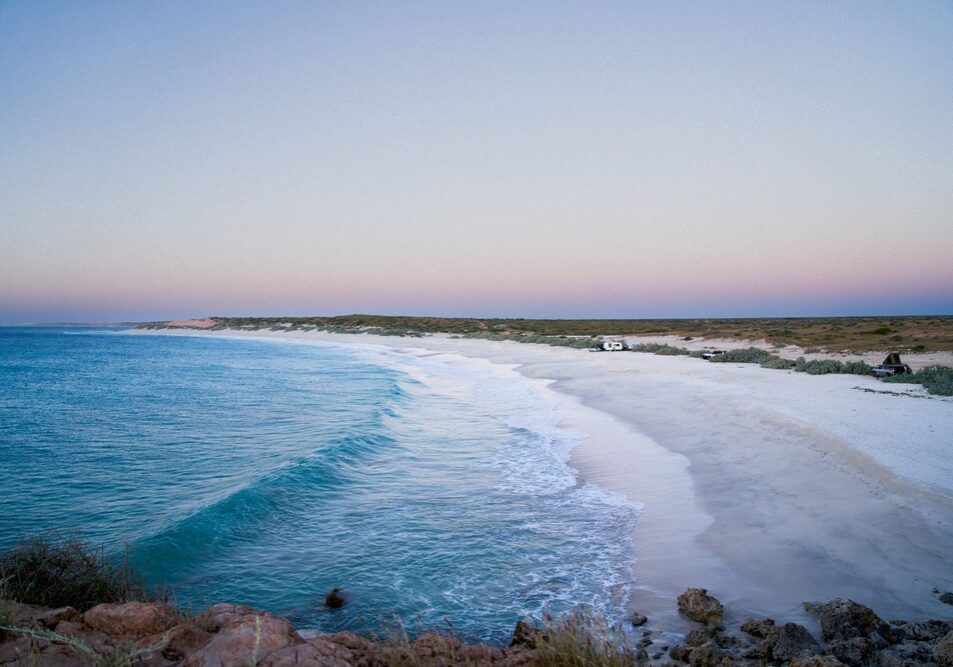
14 Mile Beach Camp is a remote, off-grid beachfront campground near Coral Bay with white sand, turquoise water, big skies and epic sunsets.
It’s dog-friendly (on lead) and well-priced, but you need to arrive prepared because there are no toilets, showers, or water on site.
Boat Harbour Campground
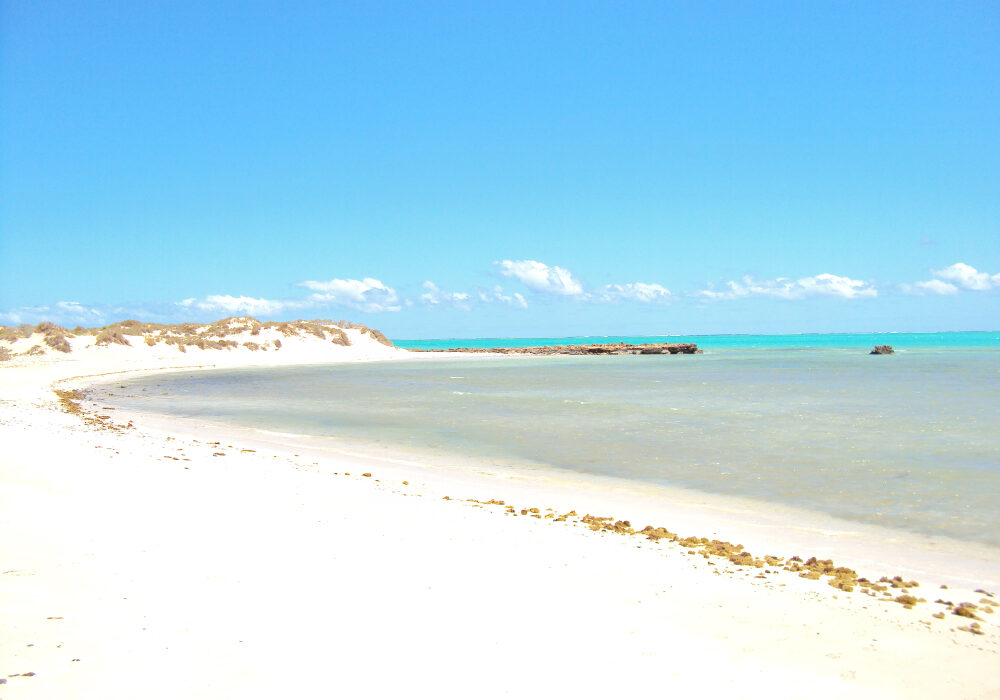
Secluded 4WD-access campground with basic amenities near Ningaloo Marine Park.
Bruboodjoo Campground
Bruboodjoo Campground is a large, off-grid coastal camping area north of Coral Bay suited to self-contained travellers, especially fishers and boat owners.
Expect big open sites, beach launching access, and a remote feel rather than structured campground facilities.
Bungarra Campground
Bungarra Campground is a small inland campground set slightly back from the shoreline, offering a quieter and more sheltered stay than the beachfront sites.
With only a handful of camps and a short walk to the water, it suits travellers who want proximity to the coast without being directly exposed to wind and salt.
Janes Bay Campground
Janes Bay Campground is a remote coastal campsite suited to travellers who want space, simplicity and a proper off-grid stay.
There are no built facilities, just open camps, ocean views and plenty of wind. The journey in can be rough, so it’s best suited to well-prepared campers with capable vehicles and everything they need on board.
Kurrajong Campground (Cape Range)
Kurrajong Campground is a quieter Cape Range campground with easy dune access to the water, clean facilities and a laid-back feel.
It’s a solid choice for travellers who want a more peaceful base, simple amenities, and quick access to swimming and reef time.
Mesa Camp
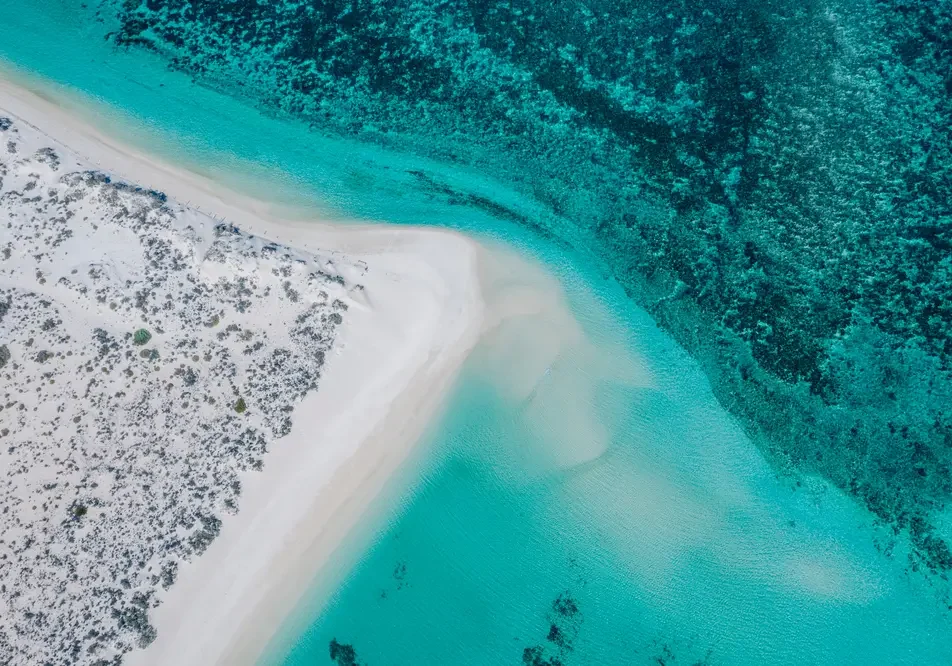
Mesa Campground is a popular coastal campground with spacious sites, beach access and easy launching for small boats.
Facilities are simple but well maintained, and some sites have shade. Generators are permitted during set hours.
Neds Campground
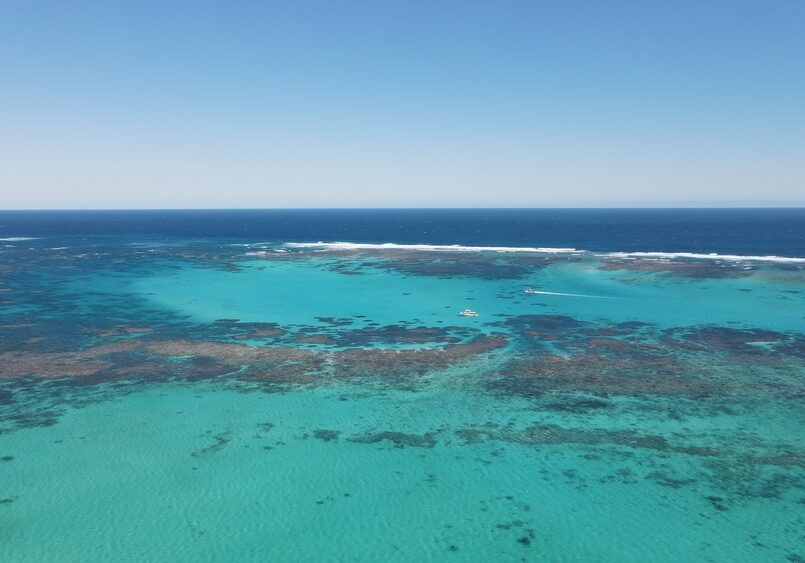
Neds Campground is a small, peaceful campground tucked behind the dunes with a short walk to a quiet swimming beach and excellent sunset views.
Sites are spacious, some with tree cover, and facilities are simple but well maintained.
North Kurrajong & T-Bone Campground (Cape Range)
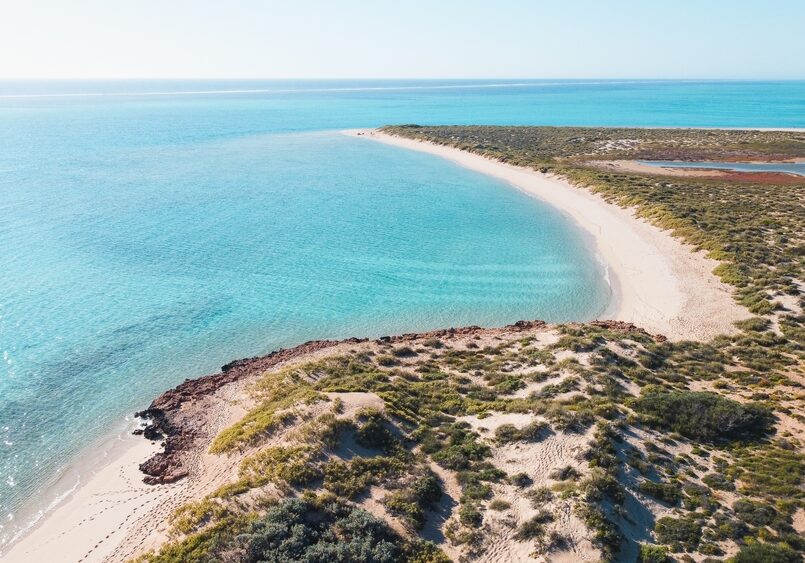
North Kurrajong Campground is a spacious coastal campground set just behind the dunes with easy access to reef and swimming areas.
Facilities are basic but well maintained, and the location is known for wildlife sightings, snorkelling and peaceful surroundings.
Best suited to self-sufficient travellers wanting nature, quiet and proximity to the reef rather than a serviced camping area.
North Lefroy Campground
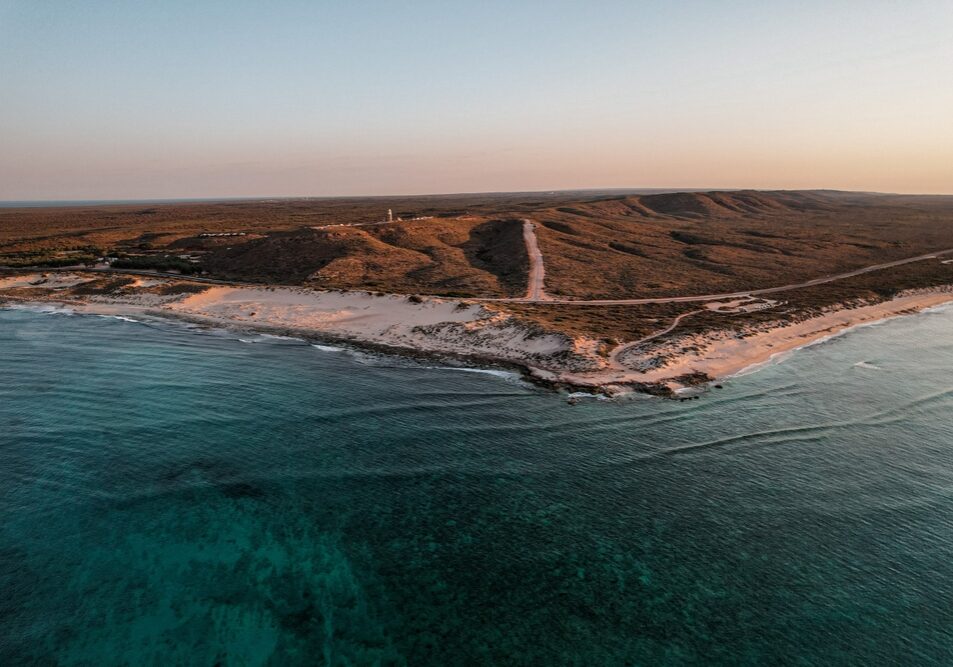
North Lefroy is a spacious beachfront campground with large private sites and excellent access to fishing and boating.
Facilities are basic and the access track can be rough and sandy, so a capable 4WD and lowered tyre pressures are essential.
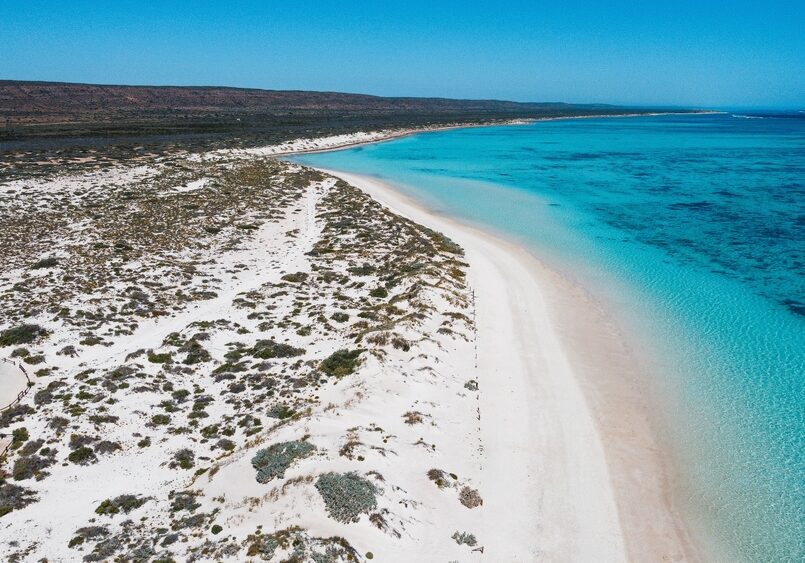
North Mandu Campground
North Mandu is a small, secluded campground with only a handful of sites tucked behind the dunes.
Facilities are simple but generally well maintained, and the location offers peaceful camping close to some of the best beaches and snorkelling areas in Cape Range.
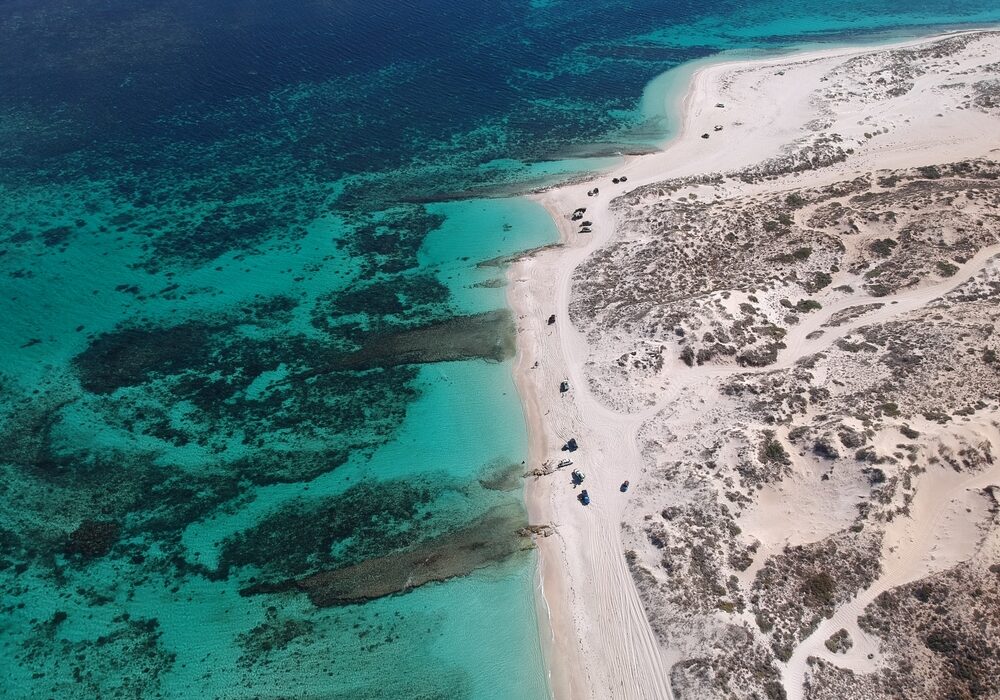
One K Campground
One K is a quiet and remote campground suited to self-sufficient travellers looking for space and solitude.
Facilities are basic and access requires some preparation, including lowering tyre pressures before arrival.
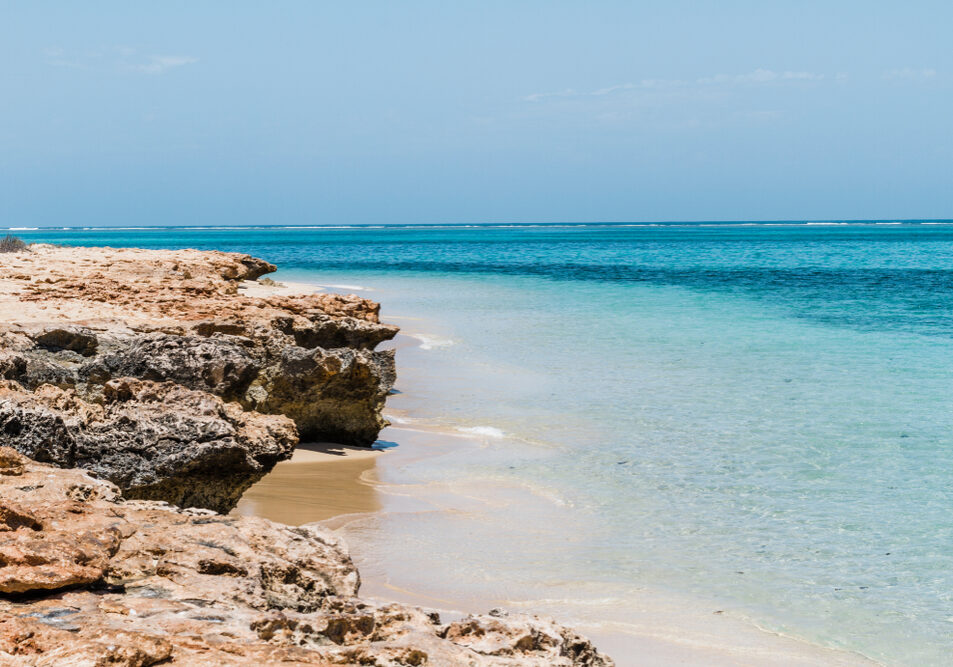
Osprey Bay Campsite
Osprey Bay Campsite is one of the standout campgrounds on the Ningaloo coast, with big, well-spaced sites right by the water, spotless long-drop toilets, and unreal snorkelling straight off the beach.
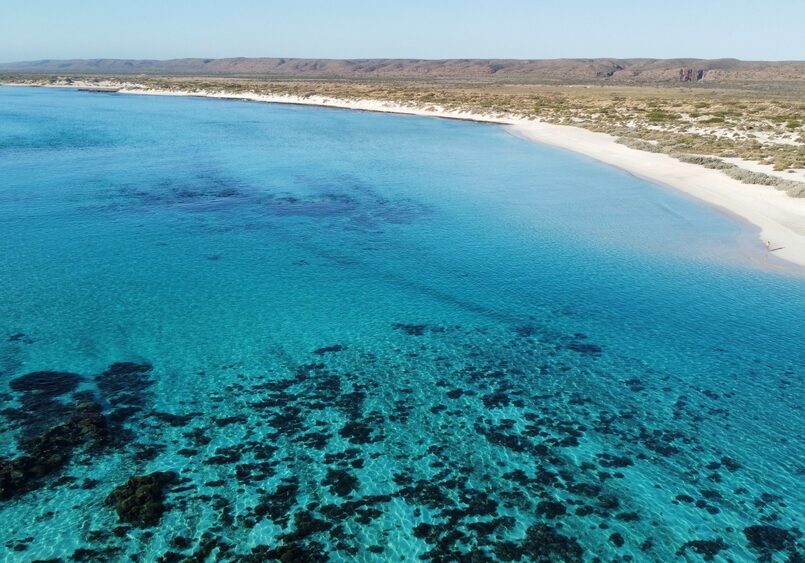
Point Billie Campground
Point Billie Campground is a big, off-grid Ningaloo Station campground best suited to boaters and fishos, with huge sites, cracking sunsets, and plenty of wildlife. Expect wind, exposure and a rough corrugated 4WD approach.
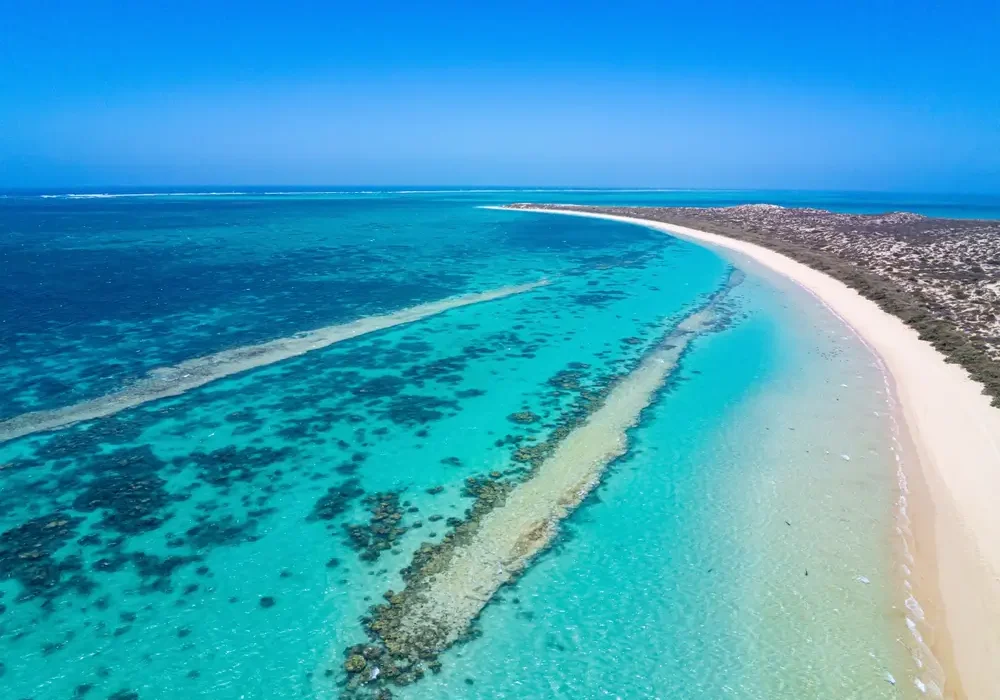
Sal Salis Ningaloo Reef
Sal Salis offers an exclusive, eco-luxury safari camp set within the dunes of Cape Range National Park, overlooking Ningaloo Reef.
With just 16 wilderness tents and one honeymoon tent, the experience blends barefoot comfort with guided nature-based activities and all-inclusive hospitality in a remote coastal setting.
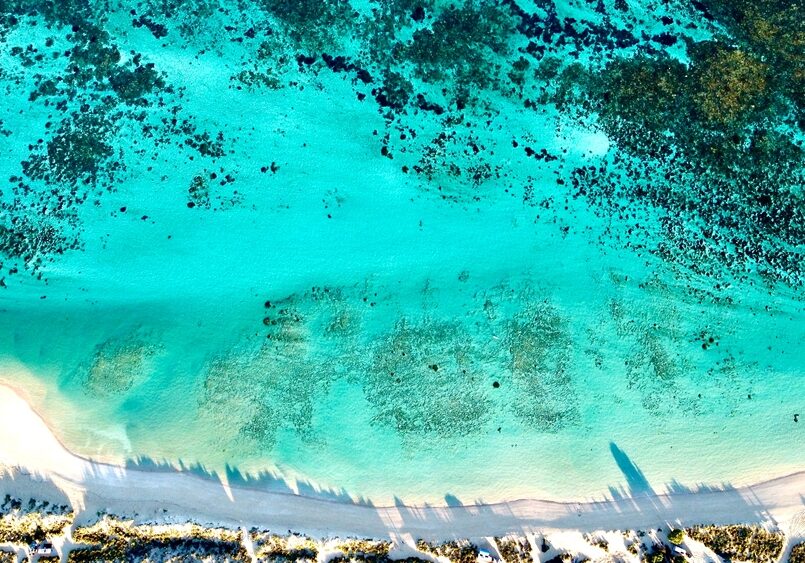
South Lefroy Bay Campground
South Lefroy Bay Campground is a seriously special Ningaloo Station beach camp with clear, calm turquoise water and reef access straight off the sand.
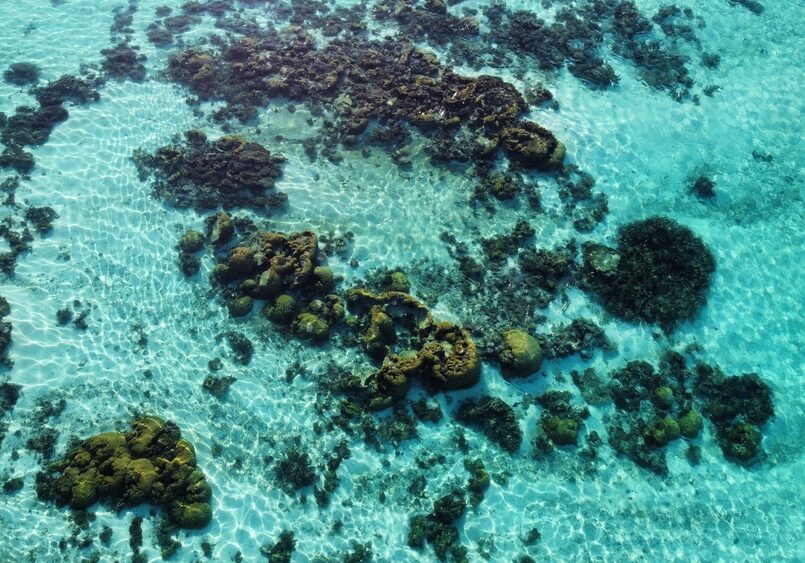
Stans Camp (Overflow Camp)
A basic Ningaloo Station overflow campground sitting inland from the reef line. It’s open, exposed and self-contained only, often used when nearby beachfront camps are full.
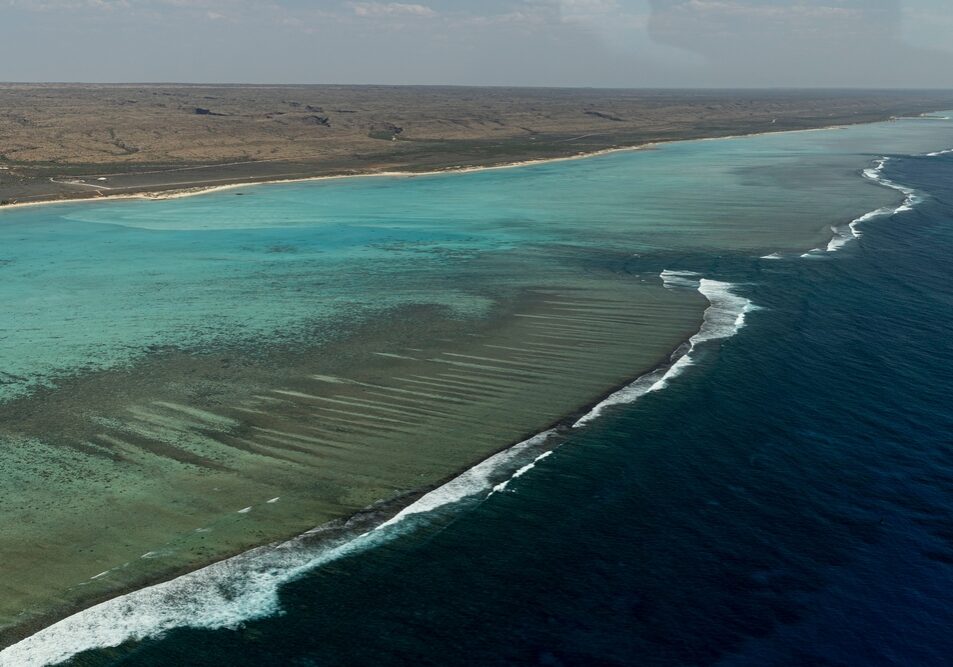
The Ridge Campground
Remote bush campground south of Coral Bay with unpowered sites and basic facilities.
Tulki Beach Campground
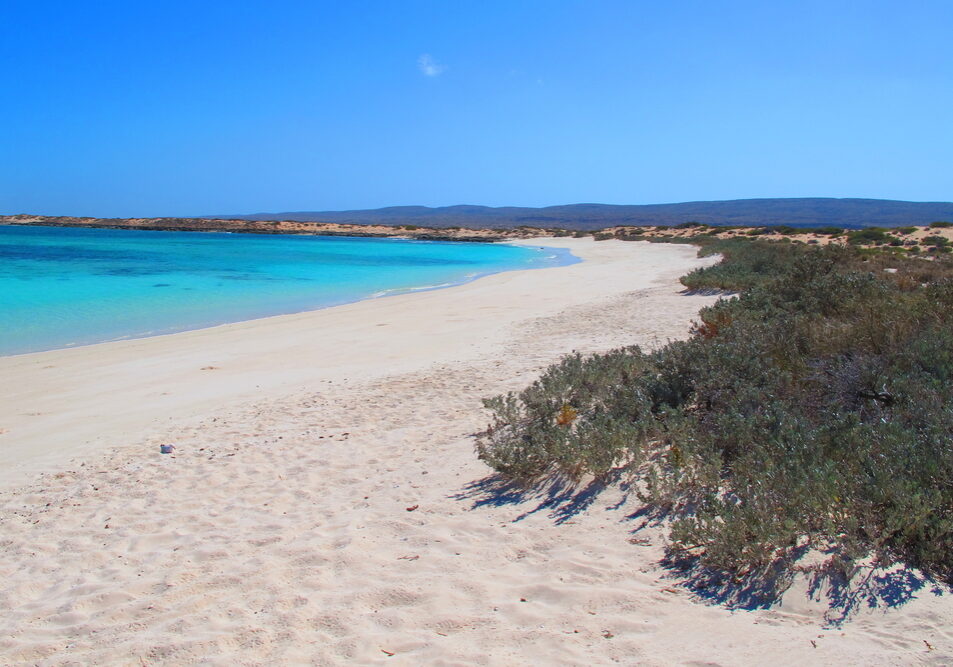
Tulki Beach Campground is a small, well-kept Cape Range National Park campground known for its peaceful feel and proximity to some of Ningaloo’s best snorkelling areas.
Not directly on the reef edge, but close enough to paddle or walk to the water with ease.
Winderabandi Point Campground
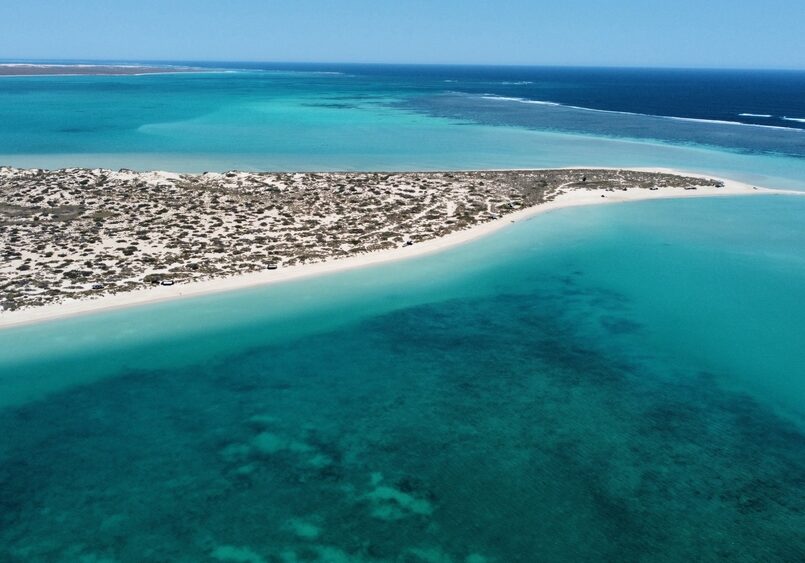
Winderabandi Point Campground is a remote beachfront campground on Ningaloo Station offering one of the most immersive reef and wildlife experiences along the coast.
Expect true off-grid camping, soft sand access and wide-open ocean views. It rewards preparation – and punishes complacency.
Yardie Creek Campground
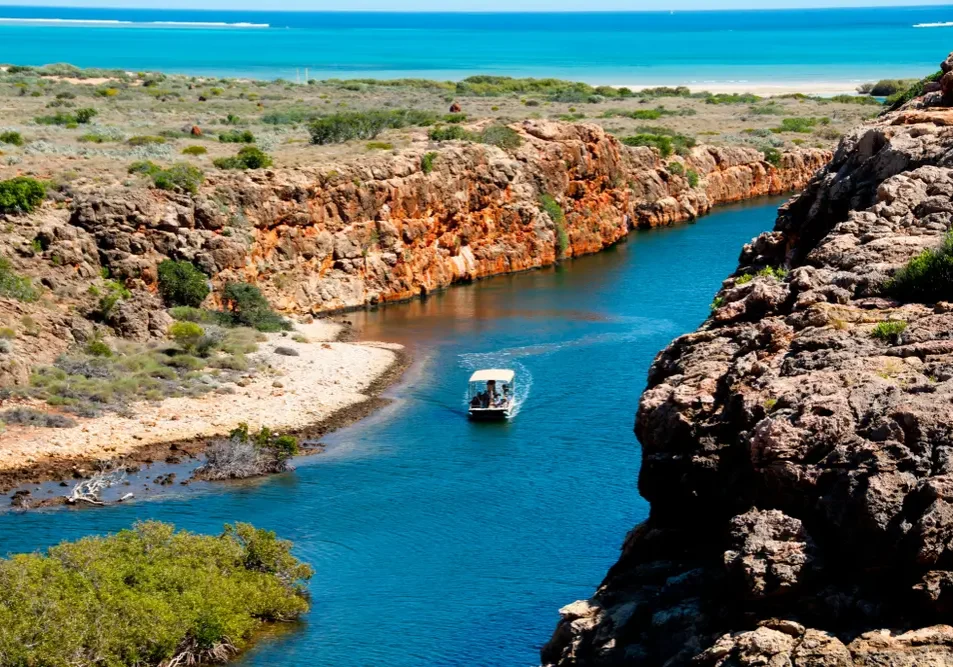
Yardie Creek Campground is a small, beachside Cape Range National Park campground near the Yardie Creek gorge walks. People rate it highly for the location, sunsets, stargazing and the camp host vibe, but it’s basic and books out fast.
Bring water, expect long-drop toilets, and plan around the creek crossing if travelling south.