
If you are planning how to get to 14 Mile, expect a beach access drive, not a simple sealed road run. 14 Mile Beach is near Warroora Station in Australia, in the Ningaloo Coastal Reserves near the Ningaloo Marine Park coast.
Quick Answers: 14 Mile At A Glance
14 Mile is a medium size campground adjacent to a recreation zone of Ningaloo Marine Park, with beach access for launching small boats and kayaks. There are forty six campsites varying, and campsites are unpowered.
- Location: About 20 km south of Coral Bay or about 220 km north of Carnarvon, plus a rough access drive.
- Bookings: Bookings are essential and can be made up to 180 days in advance, usually paid per person, per night, for one campsite.
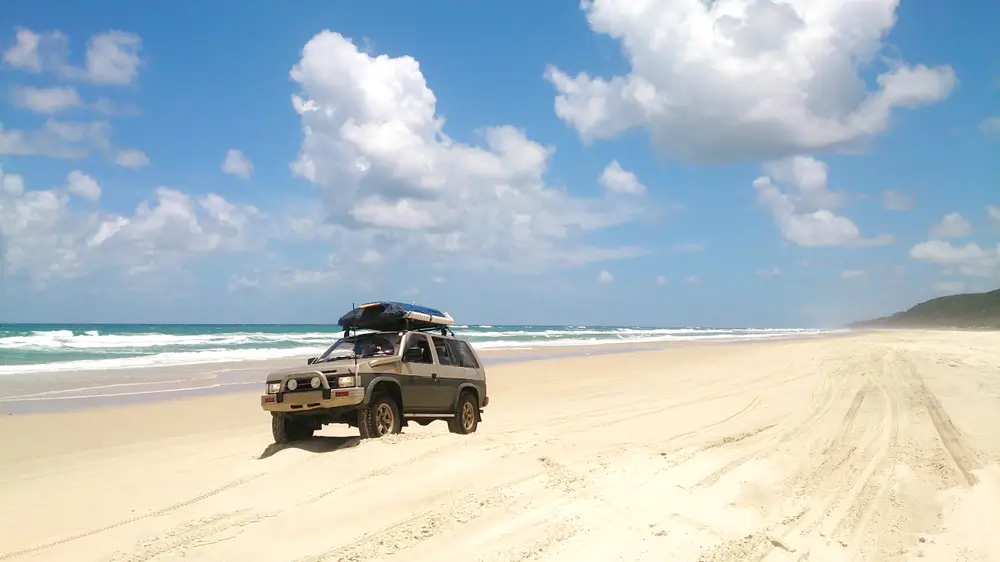
- Access: A 4WD is recommended, with low range gears for the soft sand access track.
- Facilities: Toilets are not provided and there is no running water, so be self sufficient with chemical toilets. A dump point is about 2 km away.
- Dog Friendly: Dogs are allowed, but must be controlled on a leash.

Where Is 14 Mile (And What People Mean By 14 Mile)
Most people mean the campground access road and 14 Mile Beach campsites, not a hiking trail. It is a coastal park style site near Coral Bay and national parks, where travellers visit to fish, explore, and spend nights close to the water. Visitors report wildlife sightings, including whales and turtles.
Best Routes To 14 Mile
The main route is via Minilya Exmouth Road turning onto Warroora North Road, then continuing to the campgrounds. For live navigation from a specific location, use the Google Maps Directions Tool, and save the route offline. Note: save the route, because search and signal are limited.
From Coral Bay, drive south and follow Warroora North Road. From Carnarvon, drive north to Minilya Exmouth Road, then turn onto Warroora North Road. From Exmouth, drive south on Minilya Exmouth Road, turn onto Warroora North Road, then continue to the site.
Public transport is limited to long distance coaches to nearby towns, so access requires driving. Many travellers fly into Learmonth Airport and hire a 4WD.
What The Track Is Like
The approach can be rough, with a 10 km bumpy section and sand closer to the beach. Reduce tyre pressure before the sand, then reinflate tyres at the exit with your own compressor.
Where People Get Stuck (And How to Avoid It)
Most stuck points happen when tyres stay at road pressure or when drivers stop in soft sand. In our trip planning notes for guests at Ningaloo Reef Station, the same two steps prevent most recoveries:
- Drop tyre pressure early, then keep steady momentum.
- Use low range gears before you lose speed.
4WD Setup Checklist
Do this before you commit to the sandy section:
- Confirm low range works, then set tyre pressure for sand.
- Pack a shovel, traction boards, and a compressor for reinflation at the exit.
What To Bring
Pack for camping with limited facilities:
- Chemical toilets, water, food, and rubbish bags, because bins are not provided.
- Shade, guy ropes, and strong pegs, especially in September when it can be windy.
- A first aid kit and sun protection for long beach days and swimming.
Bookings And Rules
Book in advance, then check campsite details and the campground map carefully. The campground map helps you choose by surface and distance to the beach, and it helps you plan your arrival.
- Maximum Stay: 14 nights during WA public school holidays, and 28 nights at other time.
- Dog Friendly: Dogs must stay controlled on a leash.
- Self Contained: Bring your own toilets because amenities are limited.
Conclusion
14 Mile is worth the drive if you plan your route, drop tyre pressure for sand, and arrive self sufficient with water, toilets, and a way to reinflate tyres on exit. If you want a world class Ningaloo base before or after your Warroora Station drive, book your accommodation at Ningaloo Reef Station and travel with a clear plan.
Frequently Asked Questions
It is the access road to 14 Mile Beach Campgrounds near Warroora Station in the Ningaloo Coastal Reserves, south of Coral Bay.
Yes, with bookings, but it is a 4WD access route, not a maintained hiking trail.
Visitors commonly report around 10 km of bumpy approach driving, plus soft sand near the beach.
No, bring chemical toilets and be self-sufficient because facilities are limited.
Yes, dogs are allowed if they are controlled and kept on a leash.
Beach campsites, reef coast access in a recreation zone, and launching small boats and kayaks.
Want to Stay at Ningaloo station?
Use our Travel Calculator
More Locations
Check out the rest of the Locations available
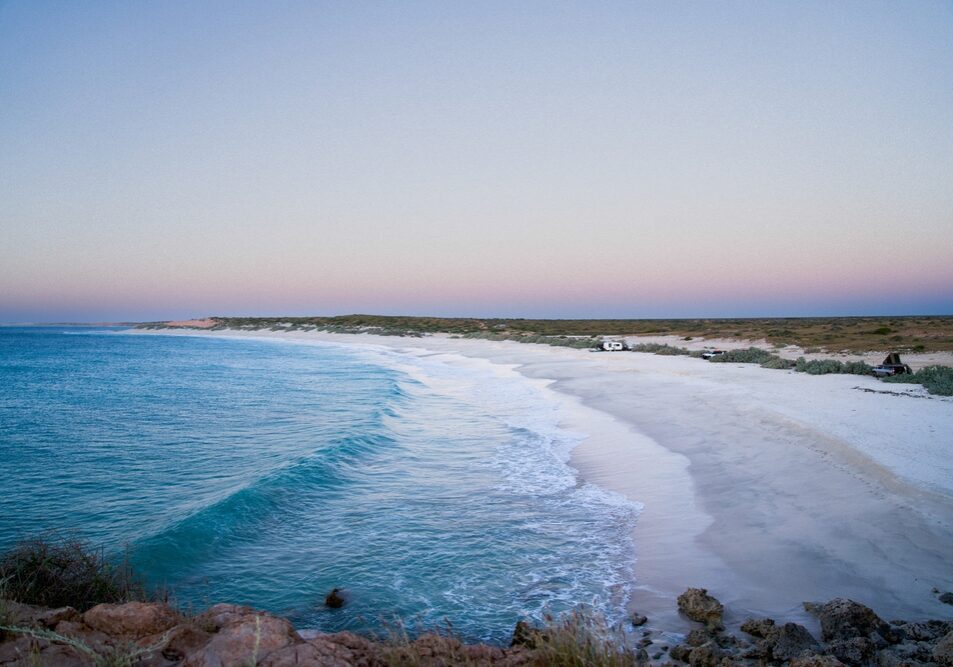
14 Mile Beach Camp
14 Mile Beach Camp is a remote, off-grid beachfront campground near Coral Bay with white sand, turquoise water, big skies and epic sunsets.
It’s dog-friendly (on lead) and well-priced, but you need to arrive prepared because there are no toilets, showers, or water on site.
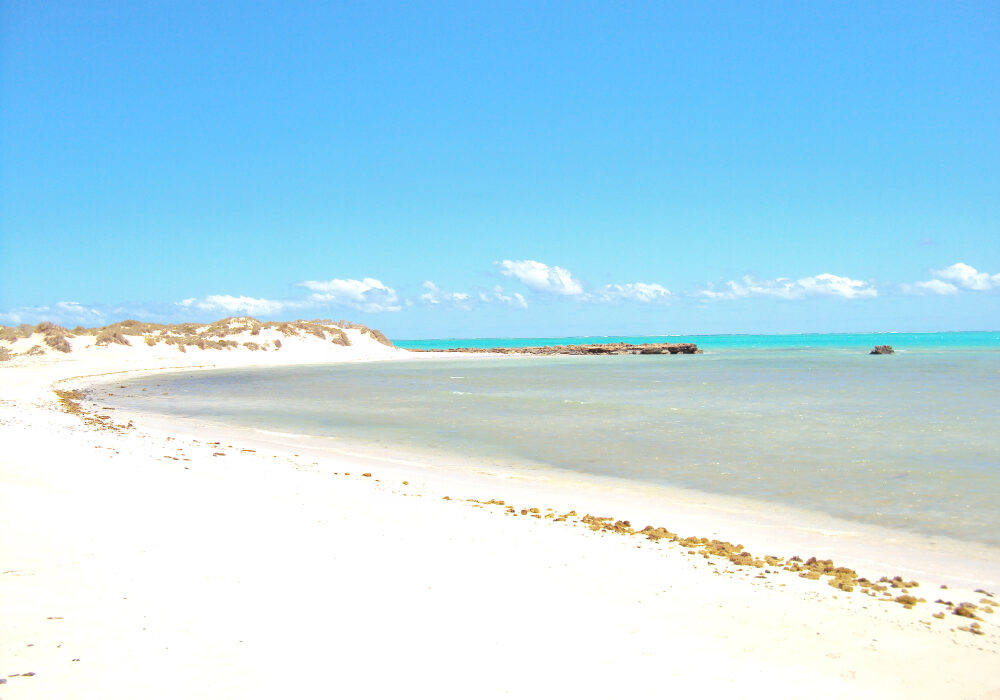
Boat Harbour Campground
Secluded 4WD-access campground with basic amenities near Ningaloo Marine Park.
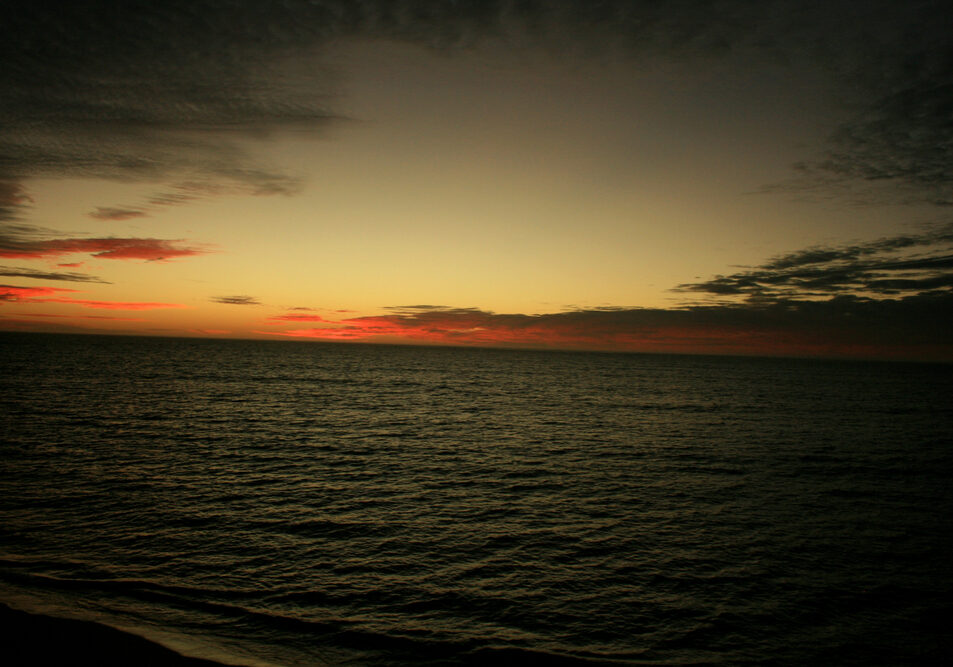
Bruboodjoo Campground
Bruboodjoo Campground is a large, off-grid coastal camping area north of Coral Bay suited to self-contained travellers, especially fishers and boat owners.
Expect big open sites, beach launching access, and a remote feel rather than structured campground facilities.
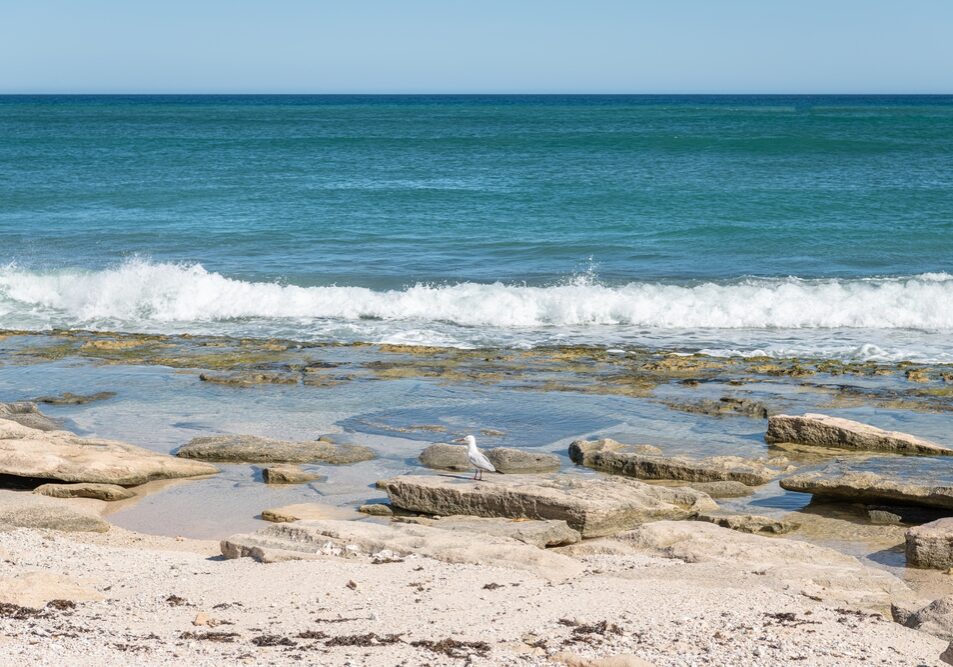
Bungarra Campground
Bungarra Campground is a small inland campground set slightly back from the shoreline, offering a quieter and more sheltered stay than the beachfront sites.
With only a handful of camps and a short walk to the water, it suits travellers who want proximity to the coast without being directly exposed to wind and salt.
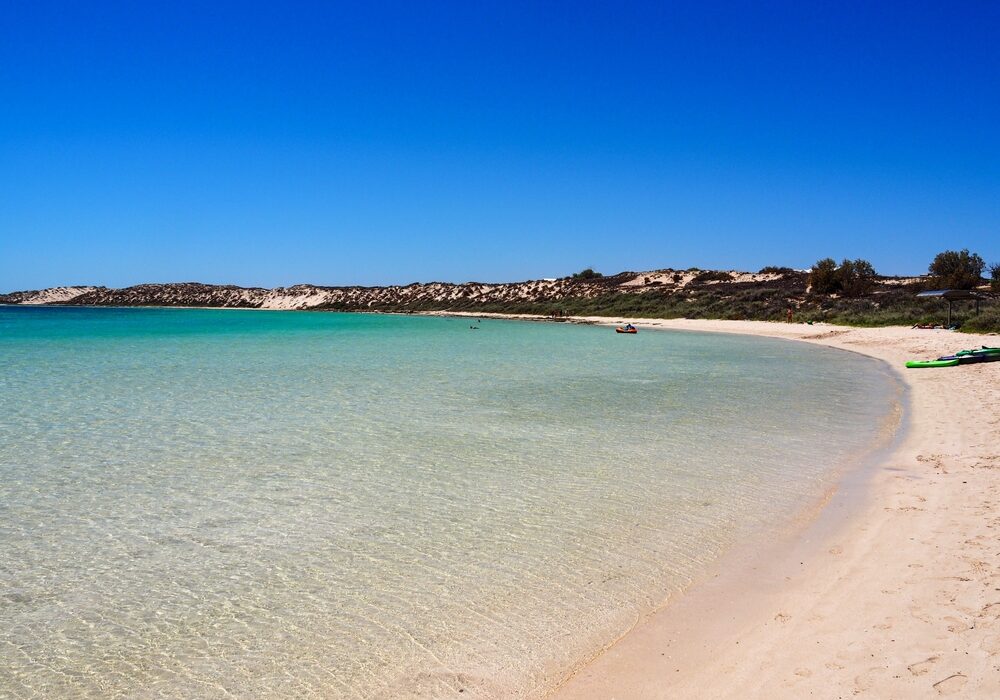
Janes Bay Campground
Janes Bay Campground is a remote coastal campsite suited to travellers who want space, simplicity and a proper off-grid stay.
There are no built facilities, just open camps, ocean views and plenty of wind. The journey in can be rough, so it’s best suited to well-prepared campers with capable vehicles and everything they need on board.
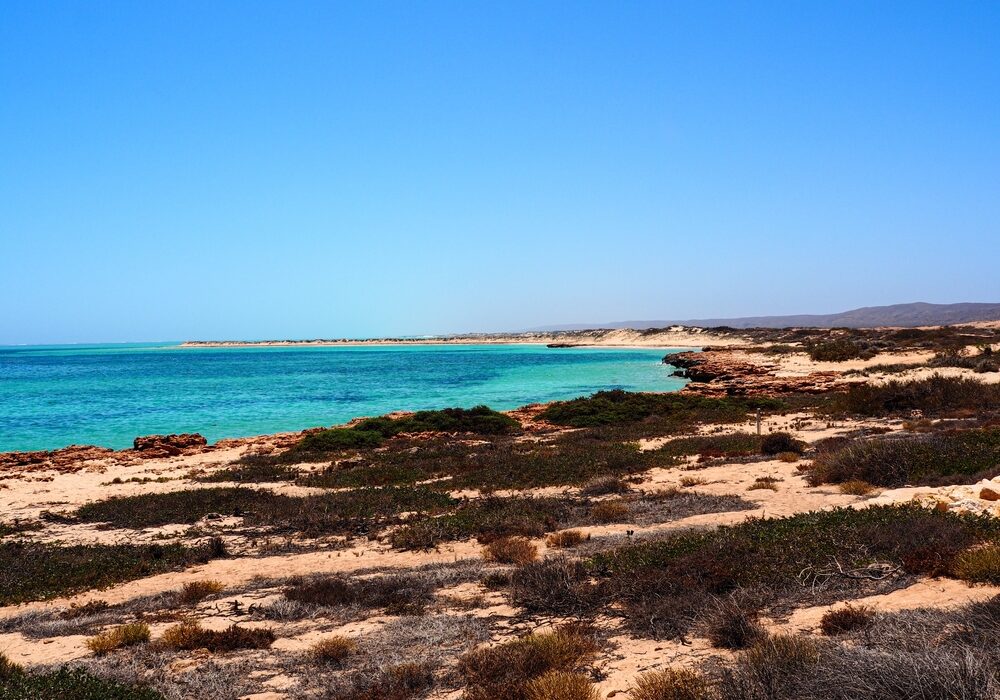
Kurrajong Campground (Cape Range)
Kurrajong Campground is a quieter Cape Range campground with easy dune access to the water, clean facilities and a laid-back feel.
It’s a solid choice for travellers who want a more peaceful base, simple amenities, and quick access to swimming and reef time.
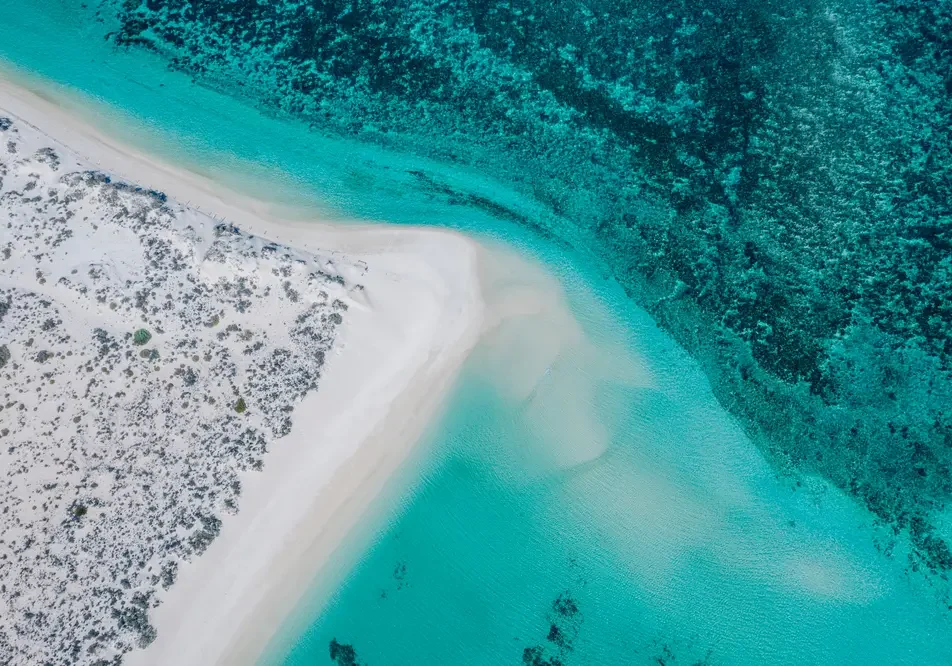
Mesa Camp
Mesa Campground is a popular coastal campground with spacious sites, beach access and easy launching for small boats.
Facilities are simple but well maintained, and some sites have shade. Generators are permitted during set hours.
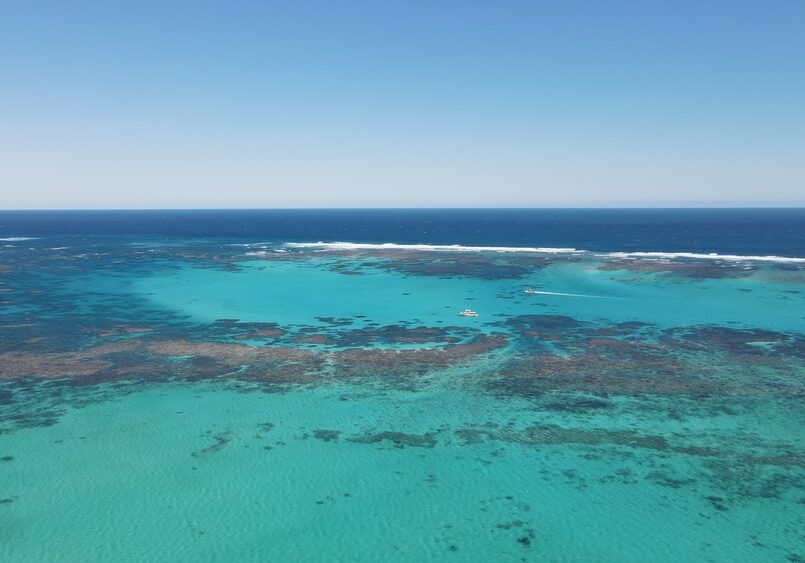
Neds Campground
Neds Campground is a small, peaceful campground tucked behind the dunes with a short walk to a quiet swimming beach and excellent sunset views.
Sites are spacious, some with tree cover, and facilities are simple but well maintained.
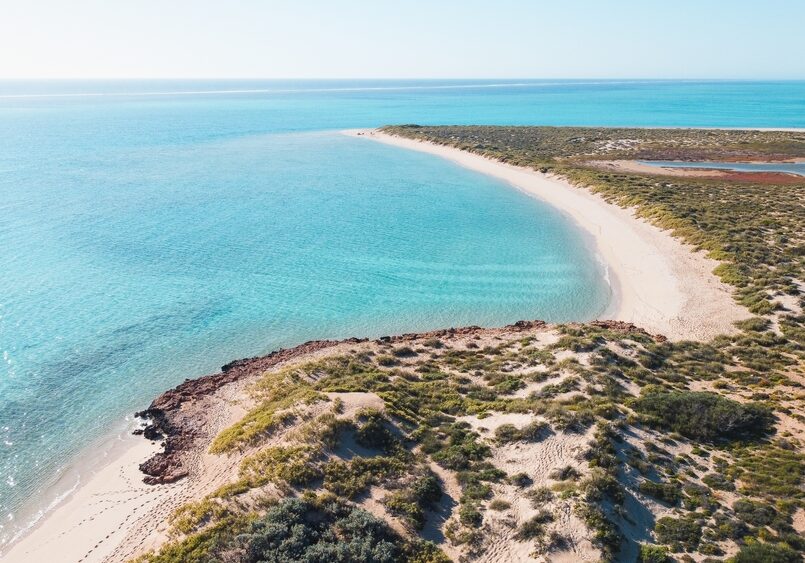
North Kurrajong & T-Bone Campground (Cape Range)
North Kurrajong Campground is a spacious coastal campground set just behind the dunes with easy access to reef and swimming areas.
Facilities are basic but well maintained, and the location is known for wildlife sightings, snorkelling and peaceful surroundings.
Best suited to self-sufficient travellers wanting nature, quiet and proximity to the reef rather than a serviced camping area.
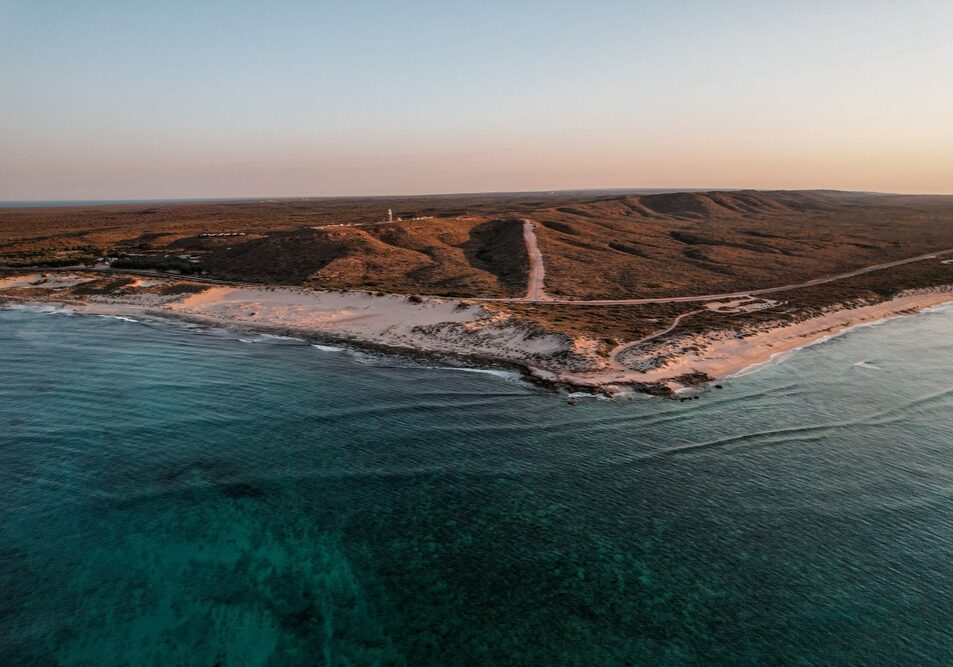
North Lefroy Campground
North Lefroy is a spacious beachfront campground with large private sites and excellent access to fishing and boating.
Facilities are basic and the access track can be rough and sandy, so a capable 4WD and lowered tyre pressures are essential.
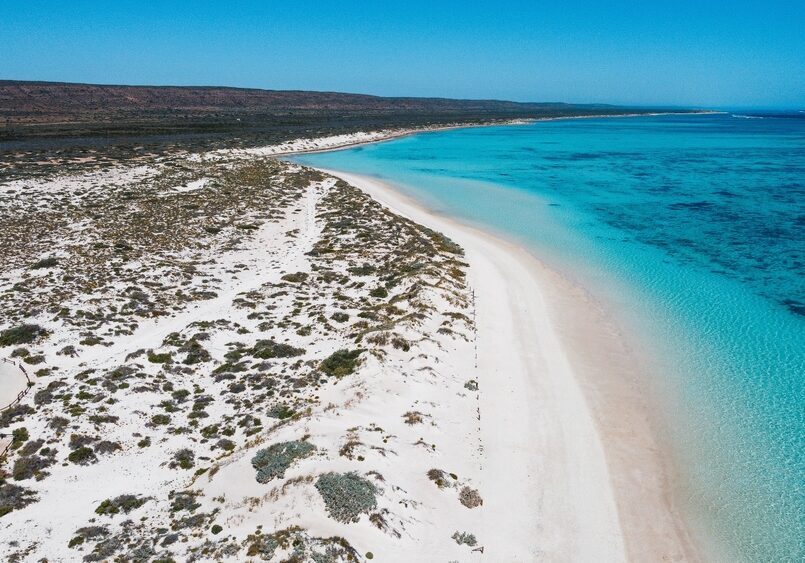
North Mandu Campground
North Mandu is a small, secluded campground with only a handful of sites tucked behind the dunes.
Facilities are simple but generally well maintained, and the location offers peaceful camping close to some of the best beaches and snorkelling areas in Cape Range.
One K Campground
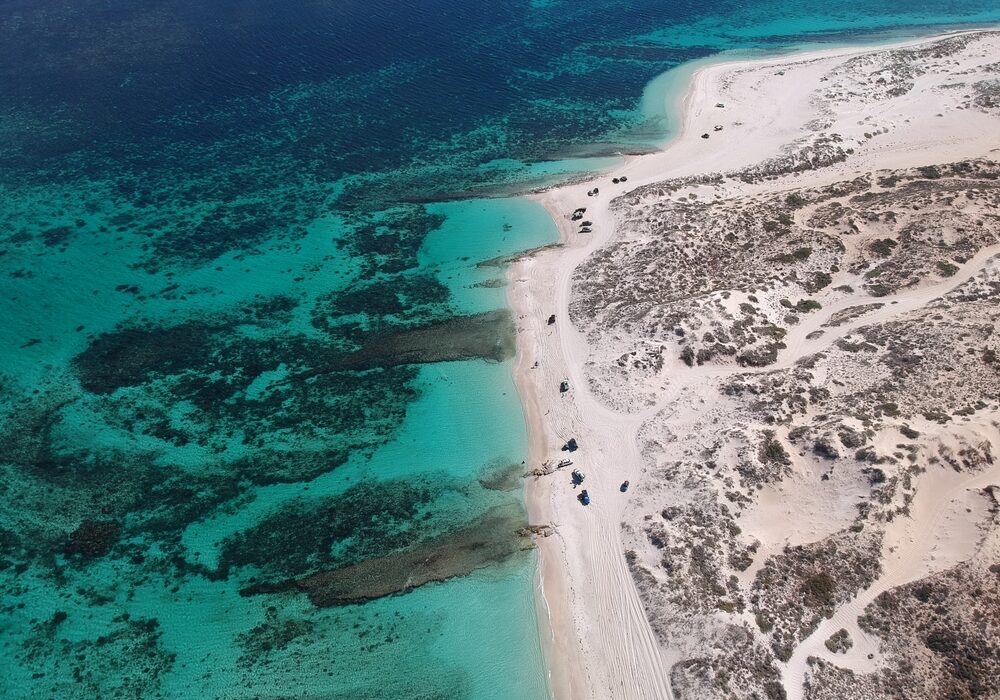
One K is a quiet and remote campground suited to self-sufficient travellers looking for space and solitude.
Facilities are basic and access requires some preparation, including lowering tyre pressures before arrival.
Osprey Bay Campsite
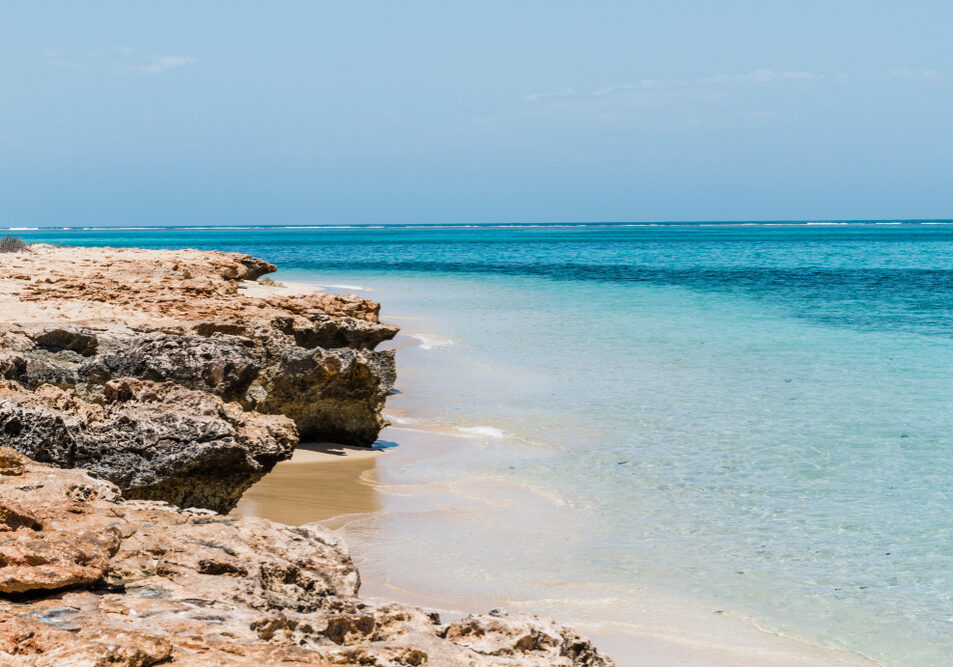
Osprey Bay Campsite is one of the standout campgrounds on the Ningaloo coast, with big, well-spaced sites right by the water, spotless long-drop toilets, and unreal snorkelling straight off the beach.
Point Billie Campground
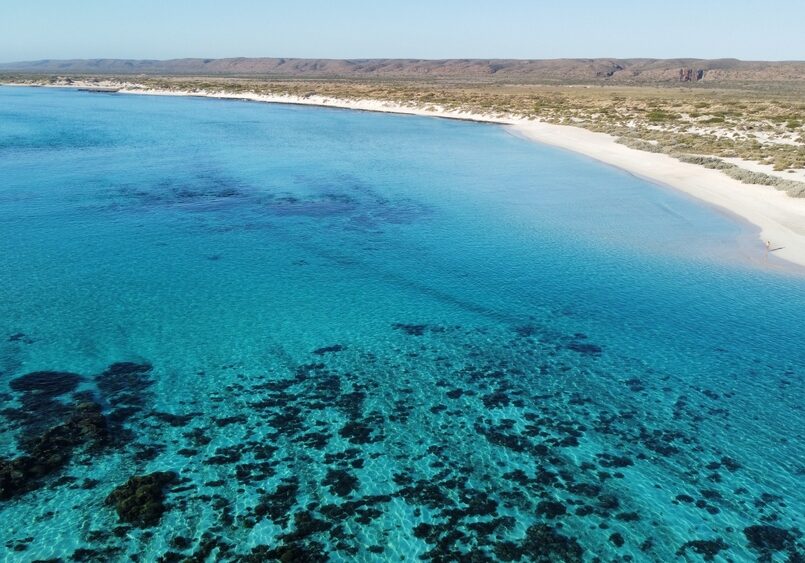
Point Billie Campground is a big, off-grid Ningaloo Station campground best suited to boaters and fishos, with huge sites, cracking sunsets, and plenty of wildlife. Expect wind, exposure and a rough corrugated 4WD approach.
Sal Salis Ningaloo Reef
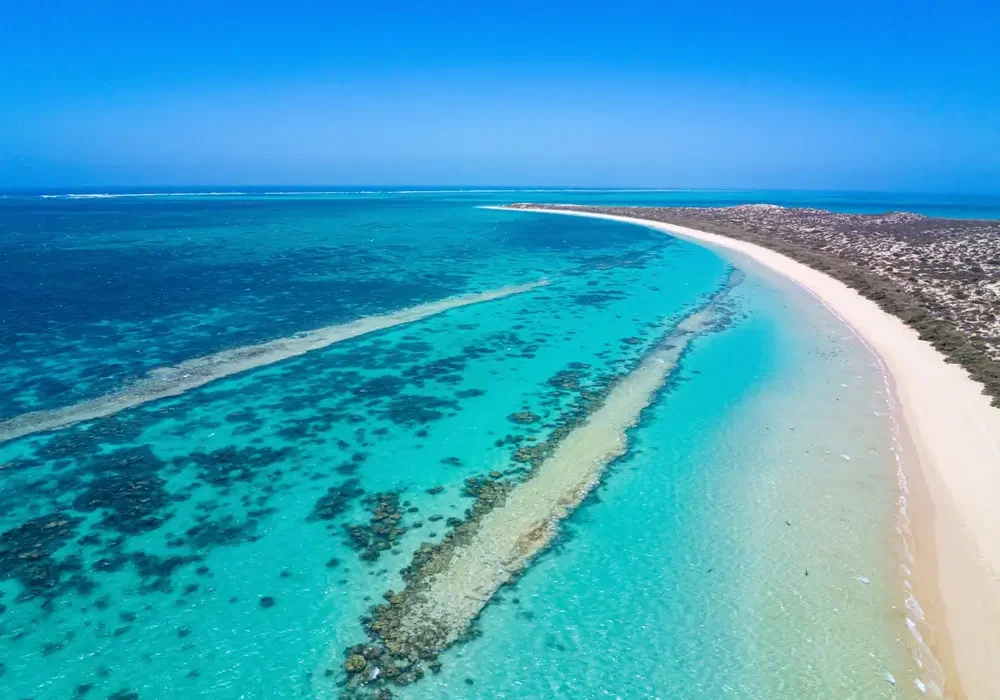
Sal Salis offers an exclusive, eco-luxury safari camp set within the dunes of Cape Range National Park, overlooking Ningaloo Reef.
With just 16 wilderness tents and one honeymoon tent, the experience blends barefoot comfort with guided nature-based activities and all-inclusive hospitality in a remote coastal setting.
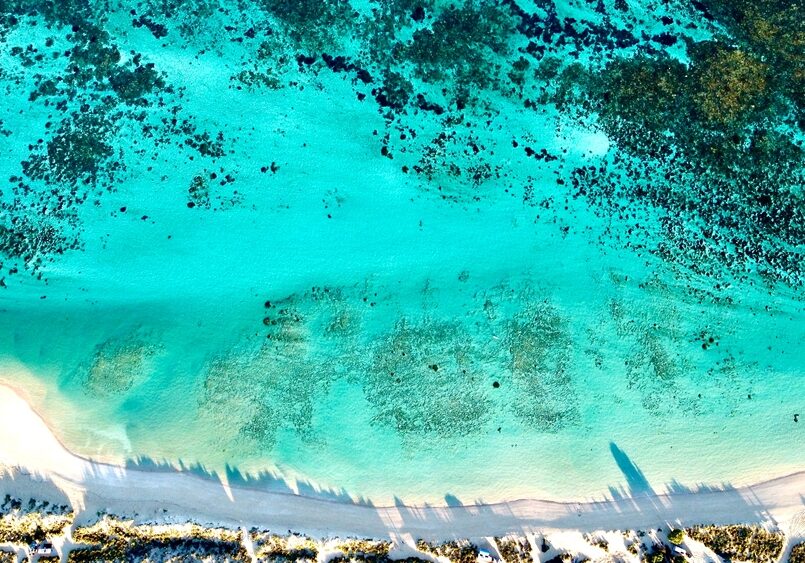
South Lefroy Bay Campground
South Lefroy Bay Campground is a seriously special Ningaloo Station beach camp with clear, calm turquoise water and reef access straight off the sand.
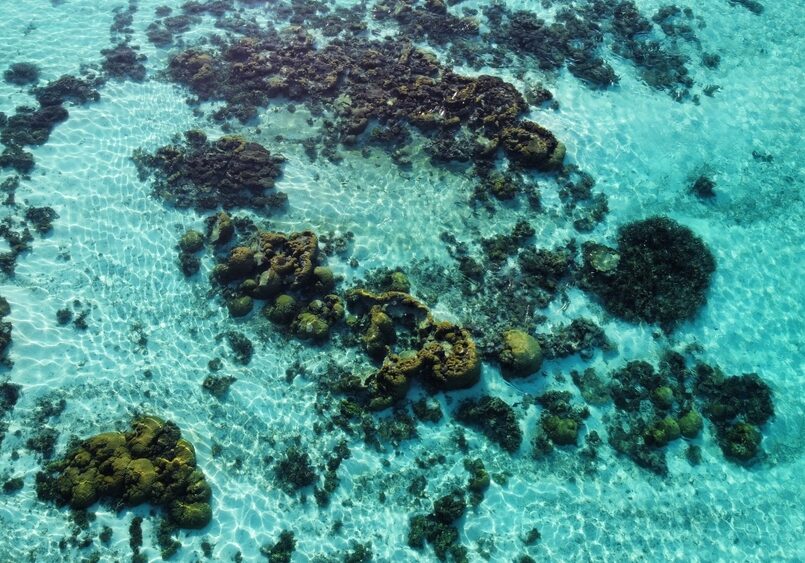
Stans Camp (Overflow Camp)
A basic Ningaloo Station overflow campground sitting inland from the reef line. It’s open, exposed and self-contained only, often used when nearby beachfront camps are full.
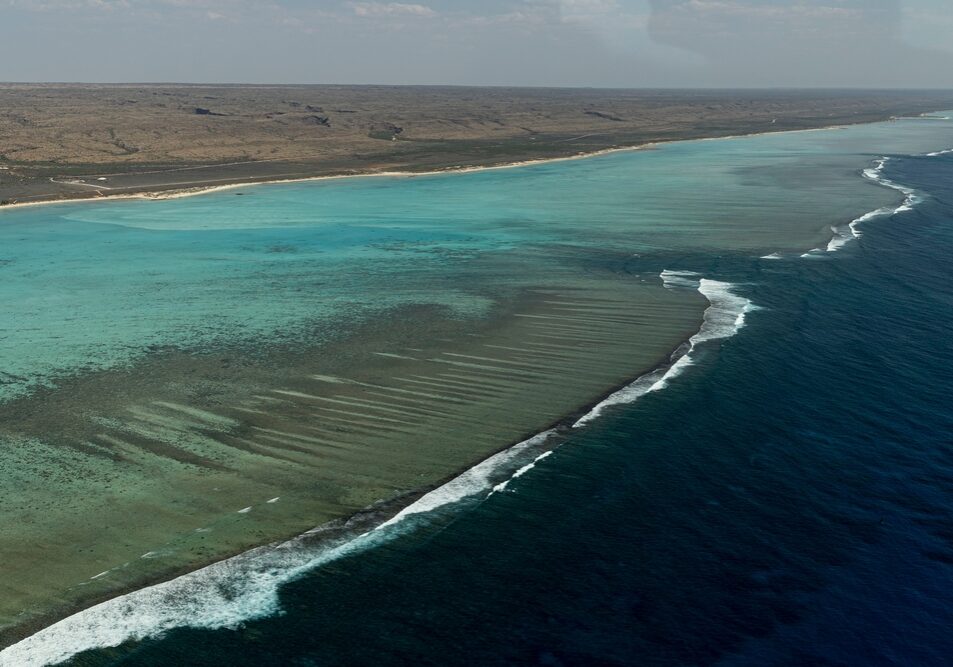
The Ridge Campground
Remote bush campground south of Coral Bay with unpowered sites and basic facilities.
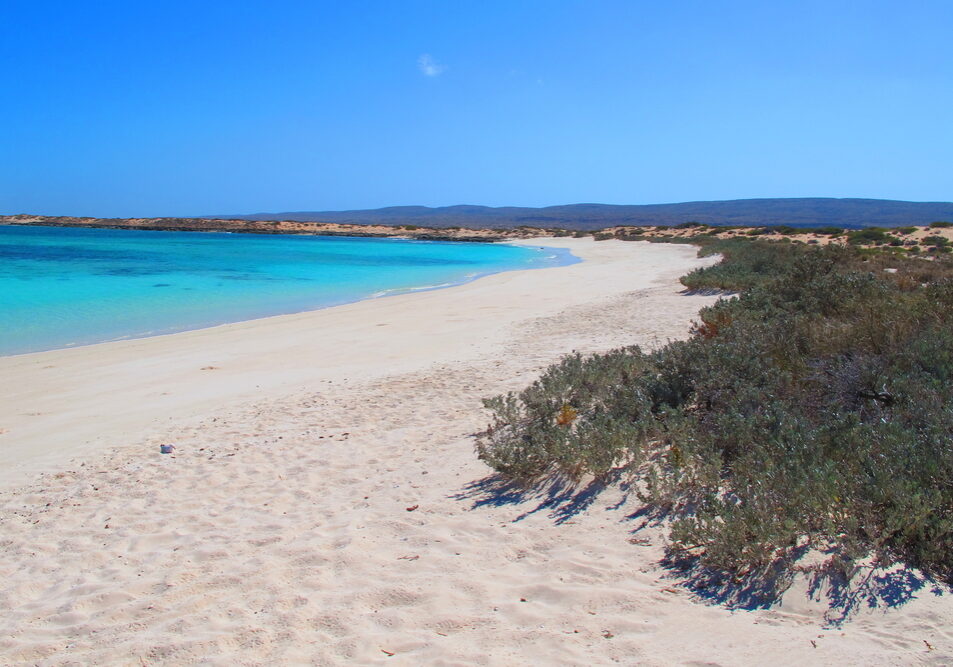
Tulki Beach Campground
Tulki Beach Campground is a small, well-kept Cape Range National Park campground known for its peaceful feel and proximity to some of Ningaloo’s best snorkelling areas.
Not directly on the reef edge, but close enough to paddle or walk to the water with ease.
Winderabandi Point Campground
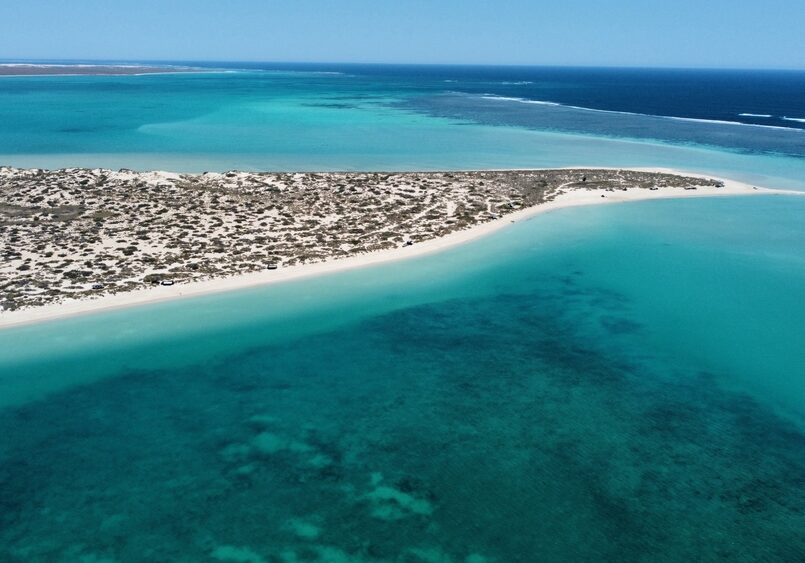
Winderabandi Point Campground is a remote beachfront campground on Ningaloo Station offering one of the most immersive reef and wildlife experiences along the coast.
Expect true off-grid camping, soft sand access and wide-open ocean views. It rewards preparation – and punishes complacency.
Yardie Creek Campground
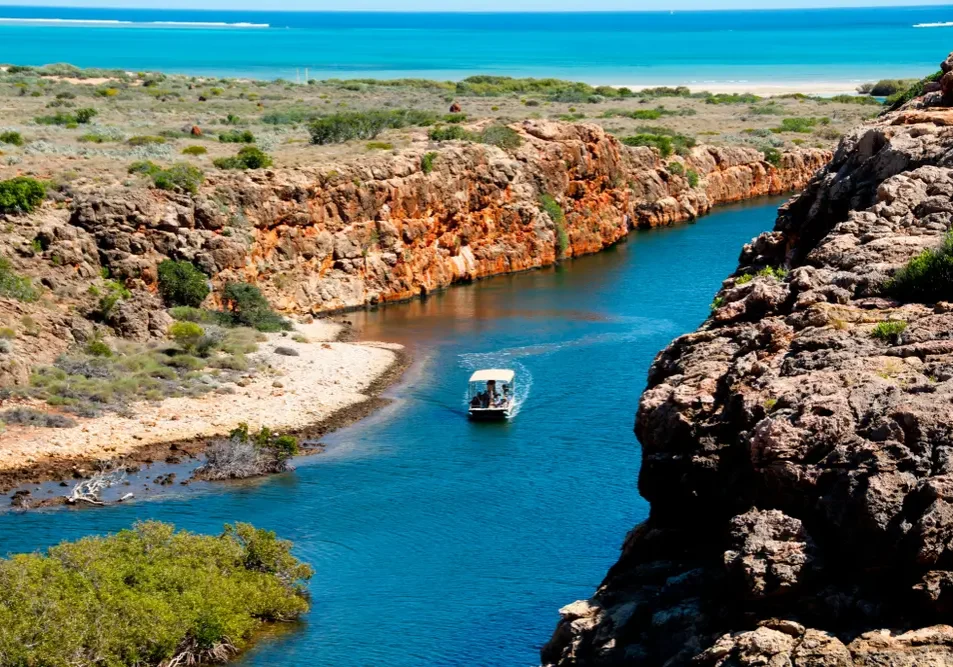
Yardie Creek Campground is a small, beachside Cape Range National Park campground near the Yardie Creek gorge walks. People rate it highly for the location, sunsets, stargazing and the camp host vibe, but it’s basic and books out fast.
Bring water, expect long-drop toilets, and plan around the creek crossing if travelling south.