
A Simple Sand-Driving Guide (And When to Air Back Up)
Tyre pressures are the biggest lever you can pull for sand driving performance on 14 Mile. The right tyre pressure increases grip, improves ride comfort, reduces wheel spin, and helps your vehicle float over soft sand instead of digging in.
At Ningaloo Reef Station, we see the same pattern every season: most boggings start with higher pressures and rushed driving, not a lack of power. When guests drop pressures early, keep it smooth, and do a short test run, 14 Mile becomes a straightforward beach access drive for most capable setups.
This guide gives you a broad range of starting PSI, shows you how to fine tune safely, and explains exactly when to put more air back in for standard road conditions.

Quick Answer: Starting Tyre Pressures For 14 Mile
Use these as your starting point for soft sand, then adjust in small steps based on tyre type, load, and terrain.
- Light AWD SUVs: 18 to 22 PSI
- Medium 4WDs And Utes: 16 to 20 PSI
- Heavy, Fully Loaded Touring Rigs: 14 to 18 PSI
Set all four tyres evenly, measure with an accurate gauge, and drive a short test run of 200 to 500 metres. If the car is working hard, digging, or losing momentum on flat sand, drop pressures by 2 PSI and re-test.
Important safety rule: driving with less than 20 PSI on standard roads is hazardous and can cause a blowout, so air back up before you return to highway speeds or hard-packed road conditions.
What Type of Terrain Is The 14 Mile Trail?
14 Mile is primarily a sand track, and conditions change based on wind, rain, traffic, and ambient temperature. You will usually drive through a mix of soft sand, hard sand, and chopped-up sections where tyres have formed ruts.
Here is what that means in practice:
- Soft sand increases rolling resistance, so tyres need a larger footprint to maintain grip.
- Hard sand and wet sand can feel easier, but they still punish road pressures once the surface breaks up.
- Ruts pull the wheels and increase effort, especially for lighter vehicles and regular SUVs.
If you set tyre pressures for the softest point on the track, the rest of the drive feels calmer and smoother.
Is 14 Mile A Good Trail for Beginners?
14 Mile can be a good trail for beginners when you prepare properly and drive with control. Beginners run into trouble when they try to fix traction problems with more throttle instead of less pressure.
A beginner-friendly approach looks like this:
- Air down before you hit the sand, not after you bog.
- Select 4H early and keep your speed steady.
- Drive smooth through turns and avoid sudden steering inputs.
- Stop on firm ground when you need to adjust.
A simple rule that works on sand is this: maintain momentum without racing. Smooth acceleration and a steady line reduce wheel spin and protect the track.

Can You Take a Regular SUV On 14 Mile?
A regular SUV can sometimes do 14 Mile, but suitability depends on drivetrain, weight distribution, clearance, tyre type, and the softness of the sand on the day. An AWD SUV with sensible tyres and correct pressures performs very differently to a 2WD SUV on highway tyres.
Use this guide as a practical filter:
- 2WD SUVs: not suitable for soft sand beach access.
- AWD SUVs: sometimes suitable in firmer conditions when you air down and drive smoothly.
- Proper 4WDs (4H and low range available): typically suitable when you set pressures correctly.
- Heavily loaded vehicles and towing: typically suitable, but they need lower sand pressures and higher road pressures.
What vehicles do people usually take on 14 Mile? We commonly see 4WD wagons and dual-cab utes, plus some AWD SUVs when conditions are firm. On soft days, a true 4WD with recovery gear is the safer choice.
Case Study From The Station: We assisted a guest travelling from Coral Bay in an AWD SUV that bogged twice at road pressures. Dropping to 20 PSI, balancing load placement, and keeping the throttle smooth solved the issue without a recovery pull.
How Long Does It Take to Drive The 14 Mile Trail?
Drive time varies because the track changes, and you should plan around safe preparation, not the shortest possible time.
A realistic plan includes:
- 10 to 15 minutes to air down and check pressures
- A slow sand drive, typically under 40 km/h
- 10 to 15 minutes to air back up
If you are stopping for photos, checking a campsite sign, or detouring to a point of interest, add extra time. If the sand is soft, you will also take longer because controlled driving is slower by design.
The fastest way to lose an hour is to rush, dig in, and recover. The fastest way to keep moving is to set the right tyre pressures early and do a short test run.
What Is the Weather Like At 14 Mile?
Weather has a direct effect on tyre pressures and sand conditions. Wind can drift sand across the track and soften the surface. Rain can firm sand temporarily, but it can also create soft edges and hide ruts. Heat increases tyre temperature and can raise pressures while you drive.
These practical weather rules work well:
- After strong winds, expect softer sand and start at the lower end of your PSI range.
- In hot conditions, check pressures more often because temperatures can rise quickly during the drive.
- Ambient air temperature affects tyre pressure, and a simple guide is around 0.1 PSI per degree change in temperature.
If you drive later in the day or at night, the air temperature can drop, which can slightly lower pressures. Re-check with your gauge if conditions change, especially if you are switching between soft sand and firmer road surfaces.

Where Can I Air Down and Air Back Up?
Air down before committing to the sand, then air back up as soon as you return to firm surfaces. Do not rely on finding an air station near the track. In remote areas, the most reliable option is to carry your own compressor.
A compressor is a worthwhile investment because it removes stress from the process and lets you air up safely before road speeds. Pair it with a reliable gauge so you can measure accurately.
Follow this quick process:
- Park on level ground and secure the car.
- Check pressures when tyres are cold, meaning the car has not been driven for at least three hours or no more than a couple of kilometres.
- Deflate to your starting pressure range and match all tyres.
- Drive 200 to 500 metres, then re-check and fine tune.
If you are staying at the site and heading back to the campsite, a dump point, or other station facilities, air back up before travelling on harder surfaces at higher speeds.
For general road conditions, typical cold pressures are:
- Small cars: 30 to 35 PSI
- Medium vehicles: 32 to 40 PSI
- Large vehicles: 35 to 45+ PSI depending on load
The ideal tyre pressure is unique to each vehicle, so your placard and tyre manufacturer limits are the most important references.
If you are towing or carrying a heavy load, increase pressures to 36 to 42 PSI on the road to handle extra weight, then drop pressures again when you return to sand.
Do I Need Permits to Access 14 Mile Off Road?
Permit requirements depend on land management and access routes, and they can change. The most reliable approach is to confirm current requirements before you drive.
Check these points before you go:
- Whether a park pass or access permit applies
- Whether any closures or restrictions are in place
- Whether your vehicle type is permitted on the route
If you are staying at Ningaloo Reef Station, ask our team at check-in if you want a quick confirmation for your planned access and timing.
Is There Cell Service On 14 Mile Trail?
Mobile coverage can be limited and unreliable on remote tracks, so plan as if you will not have reception when you need it. If you get service, treat it as a bonus, not your safety plan.
Use a simple safety setup:
- Share your route, timing, and return point with someone.
- Carry drinking water and sun protection.
- Travel with a second vehicle when possible, especially if you are inexperienced.
This approach keeps the drive practical and low stress, even if you lose signal.
Troubleshooting: When To Drop More Pressure (And When To Stop)
If you are bogging down, the fix is usually lower pressures, smoother inputs, and less wheel spin. Under-inflated tyres on sand are useful, but under-inflation on the road is dangerous, so your goal is to adjust for the terrain you are actually on.
Drop pressures by 2 PSI and reassess if you notice:
- Wheels spinning with gentle throttle
- The vehicle slowing on flat sand
- Steering pushing wide through turns
- The rear digging more than the front due to weight distribution
- Traction systems pulsing constantly
A quick visual check helps. If your deflated tyre footprint looks close to twice the width of the tyre, you are usually in a workable range for soft sand.
If you do bog, stop early and recover cleanly:
- Stop spinning immediately.
- Reverse gently along your own tracks.
- Clear sand from in front of all tyres.
- Drop another 2 to 4 PSI if needed.
- Use recovery boards, then drive out smoothly.
Case Study From The Track: We often see vehicles arrive on sand at around 36 PSI. Dropping to 18 PSI resolves most traction issues, and a further drop to 16 PSI can make the difference in very soft sections without increasing wheel spin.
Tyre maintenance matters after the trip too. Check tyre pressures monthly and before any trip using a reliable gauge. Consistent under-inflation by just 5 PSI can reduce a tyre’s total life span by up to 25%. Under-inflated tyres also create more drag, increasing rolling resistance and forcing the engine to work harder. For every 1 PSI drop in tyre pressure, fuel efficiency can decrease by approximately 0.2% to 0.3%.
Both under-inflation and over-inflation compromise safety, increase uneven wear, and reduce performance, so treat tyre pressures as a critical setup step, not an afterthought.
Conclusion
Tyre pressures for 14 Mile do not need to be complicated. Start within a broad range that suits your vehicle and load, fine tune in 2 PSI steps after a short test run, and drive smoothly so the tyres grip instead of digging in. Air back up before returning to hard surfaces or highway speeds, because less than 20 PSI on standard roads is hazardous and increases the risk of tyre failure from heat buildup and flex.
If you are planning a trip to Ningaloo and want practical, local advice for your setup, book your stay at Ningaloo Reef Station and contact our team before you drive 14 Mile. We will help you confirm access, conditions, and the right starting pressures for your vehicle so you can spend more time on the beach and less time recovering in the sand.
Want to Stay at Ningaloo station?
Use our Travel Calculator
More Locations
Check out the rest of the Locations available
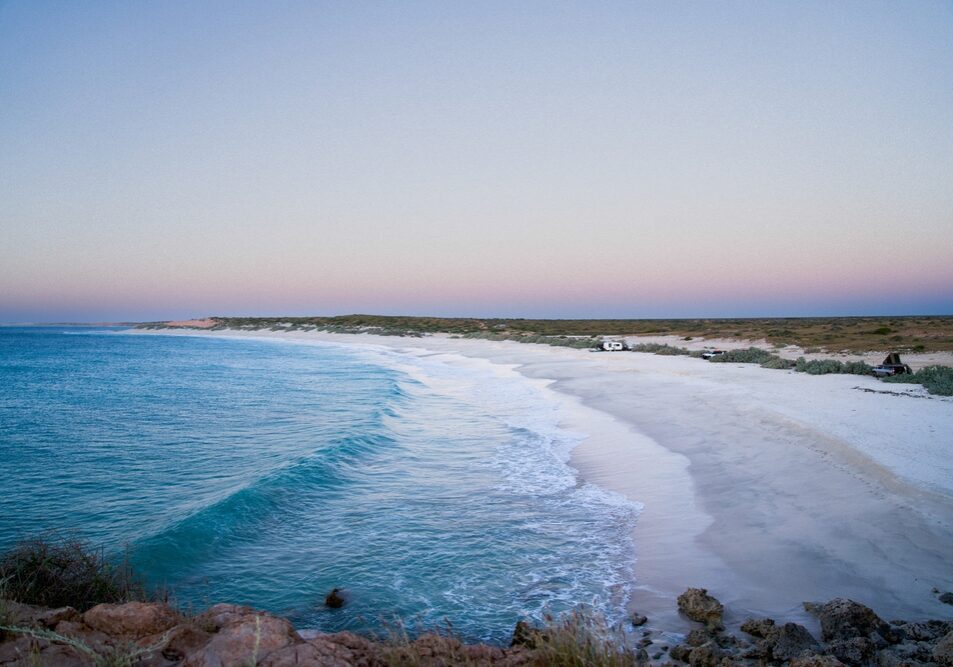
14 Mile Beach Camp
14 Mile Beach Camp is a remote, off-grid beachfront campground near Coral Bay with white sand, turquoise water, big skies and epic sunsets.
It’s dog-friendly (on lead) and well-priced, but you need to arrive prepared because there are no toilets, showers, or water on site.
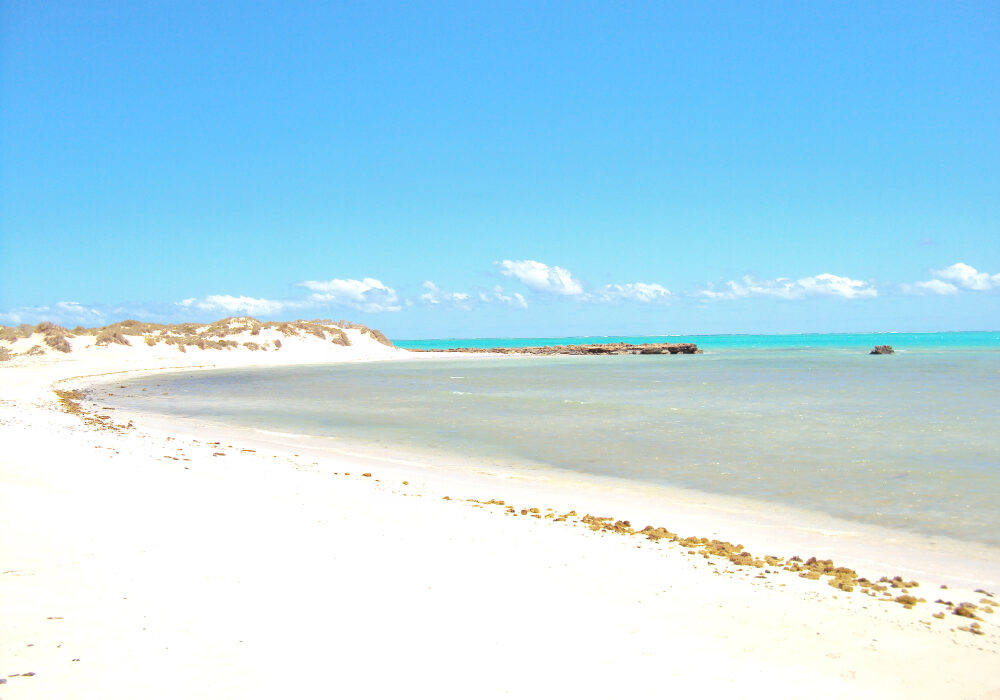
Boat Harbour Campground
Secluded 4WD-access campground with basic amenities near Ningaloo Marine Park.

Bruboodjoo Campground
Bruboodjoo Campground is a large, off-grid coastal camping area north of Coral Bay suited to self-contained travellers, especially fishers and boat owners.
Expect big open sites, beach launching access, and a remote feel rather than structured campground facilities.
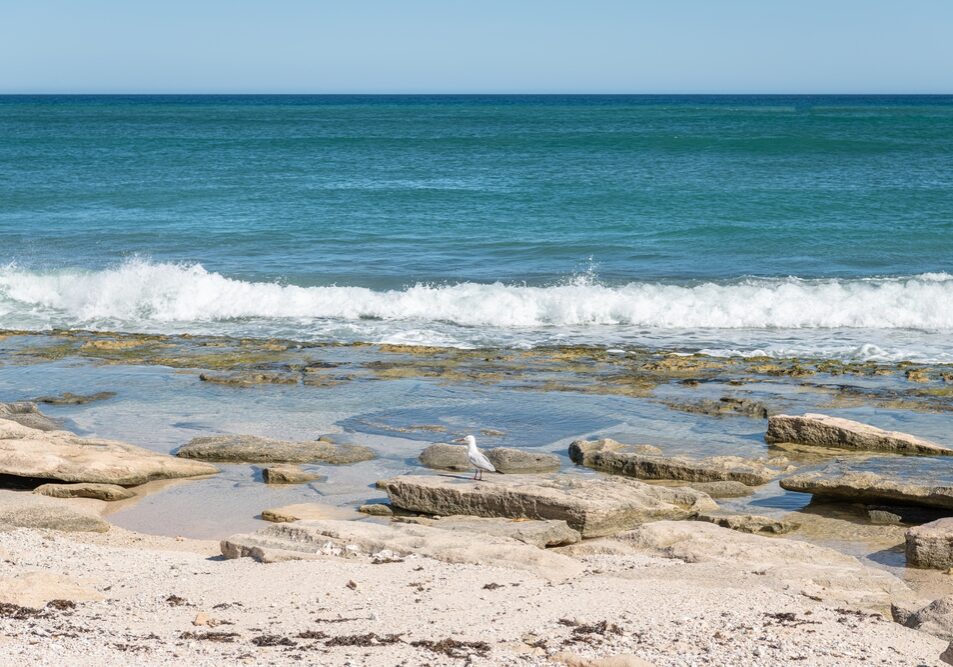
Bungarra Campground
Bungarra Campground is a small inland campground set slightly back from the shoreline, offering a quieter and more sheltered stay than the beachfront sites.
With only a handful of camps and a short walk to the water, it suits travellers who want proximity to the coast without being directly exposed to wind and salt.
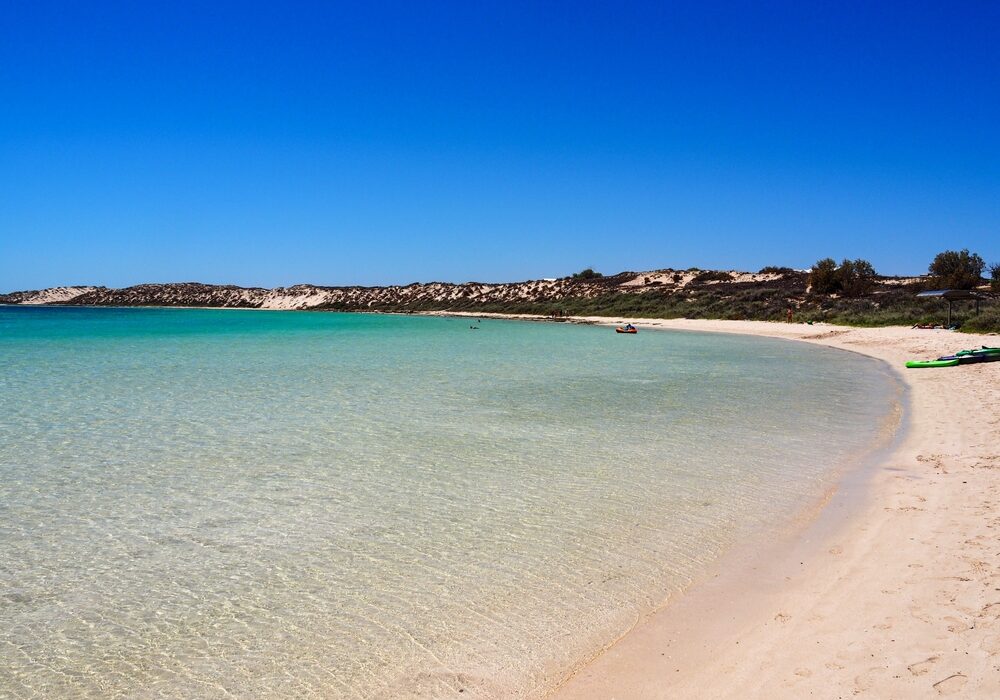
Janes Bay Campground
Janes Bay Campground is a remote coastal campsite suited to travellers who want space, simplicity and a proper off-grid stay.
There are no built facilities, just open camps, ocean views and plenty of wind. The journey in can be rough, so it’s best suited to well-prepared campers with capable vehicles and everything they need on board.
Kurrajong Campground (Cape Range)
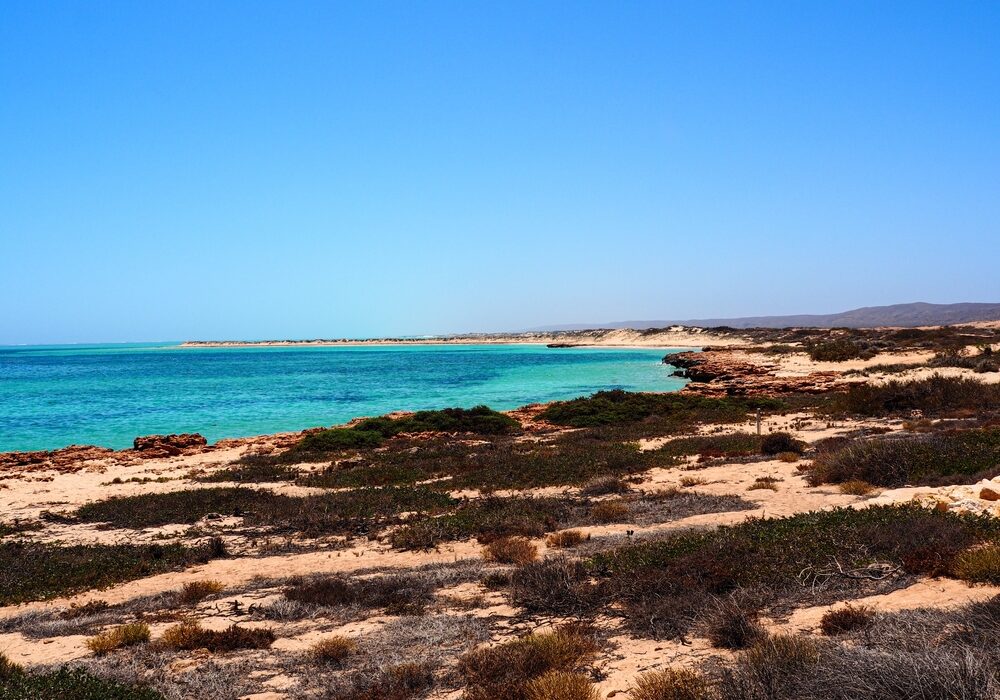
Kurrajong Campground is a quieter Cape Range campground with easy dune access to the water, clean facilities and a laid-back feel.
It’s a solid choice for travellers who want a more peaceful base, simple amenities, and quick access to swimming and reef time.
Mesa Camp
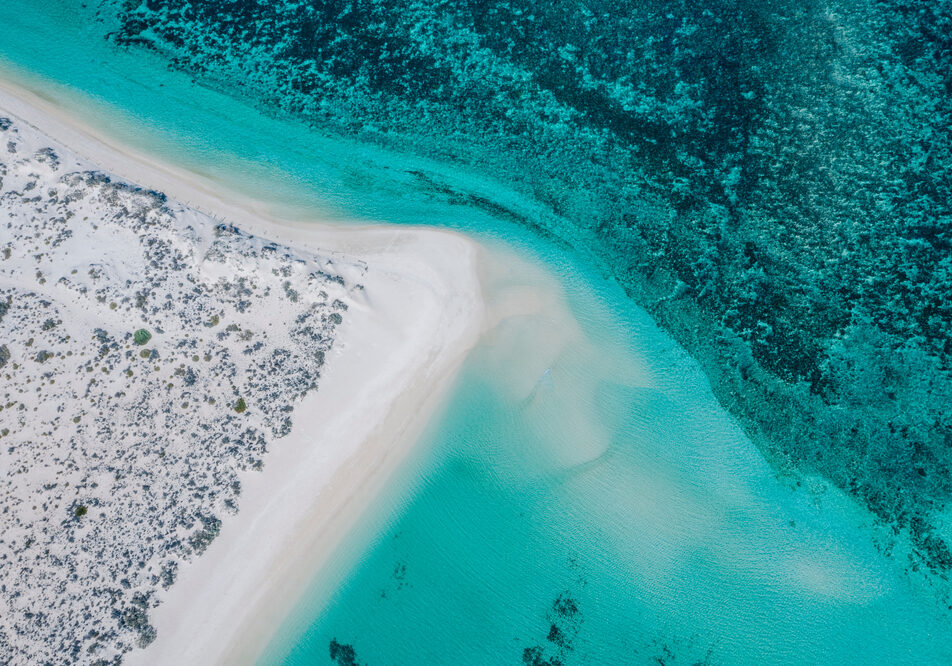
Mesa Campground is a popular coastal campground with spacious sites, beach access and easy launching for small boats.
Facilities are simple but well maintained, and some sites have shade. Generators are permitted during set hours.
Neds Campground
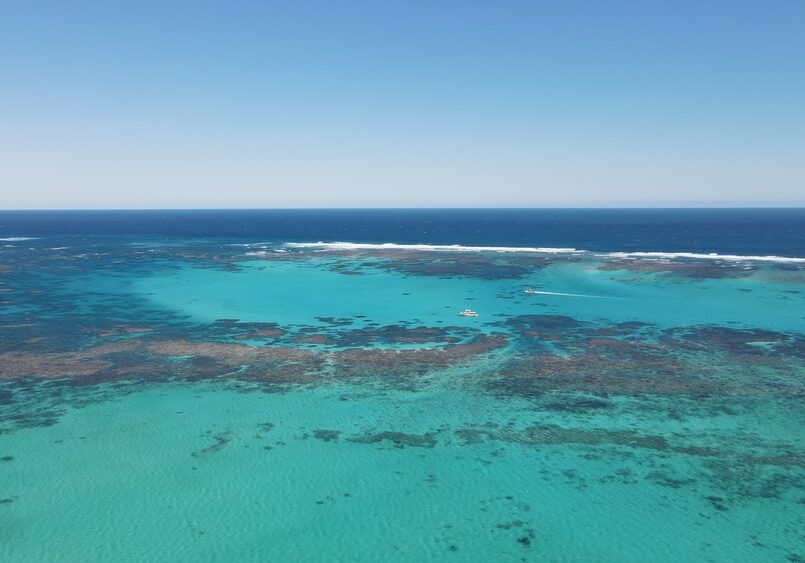
Neds Campground is a small, peaceful campground tucked behind the dunes with a short walk to a quiet swimming beach and excellent sunset views.
Sites are spacious, some with tree cover, and facilities are simple but well maintained.
North Kurrajong & T-Bone Campground (Cape Range)
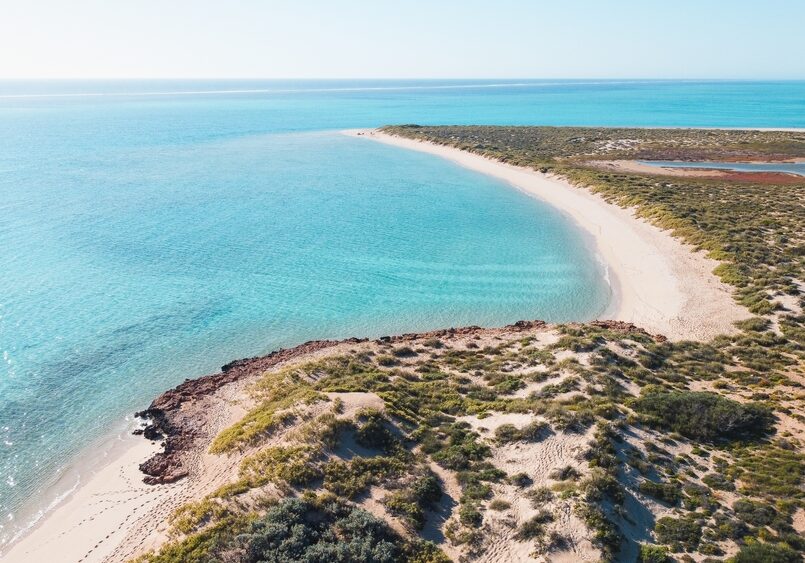
North Kurrajong Campground is a spacious coastal campground set just behind the dunes with easy access to reef and swimming areas.
Facilities are basic but well maintained, and the location is known for wildlife sightings, snorkelling and peaceful surroundings.
Best suited to self-sufficient travellers wanting nature, quiet and proximity to the reef rather than a serviced camping area.
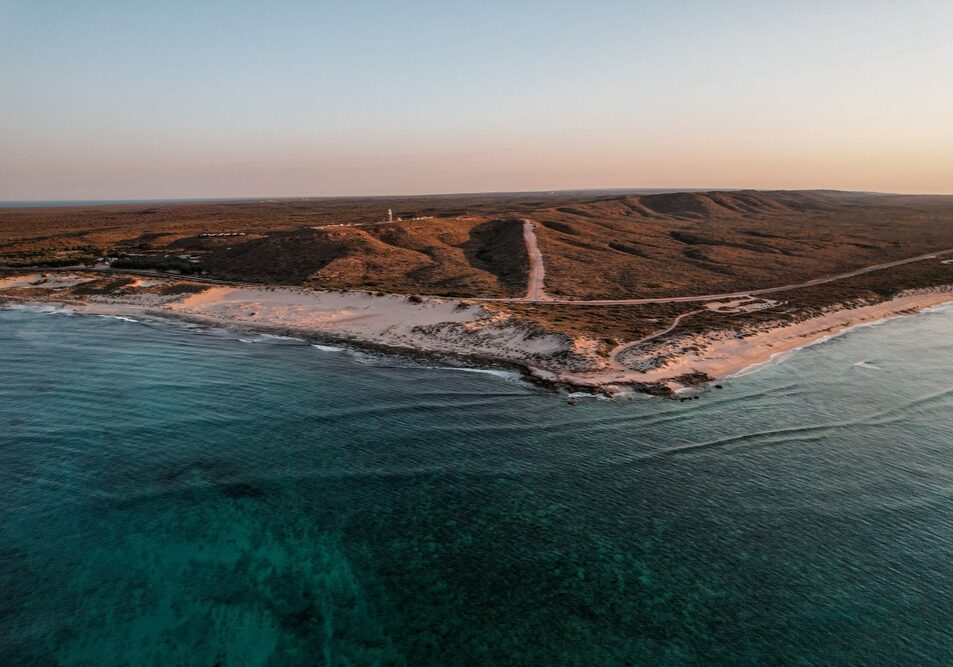
North Lefroy Campground
North Lefroy is a spacious beachfront campground with large private sites and excellent access to fishing and boating.
Facilities are basic and the access track can be rough and sandy, so a capable 4WD and lowered tyre pressures are essential.
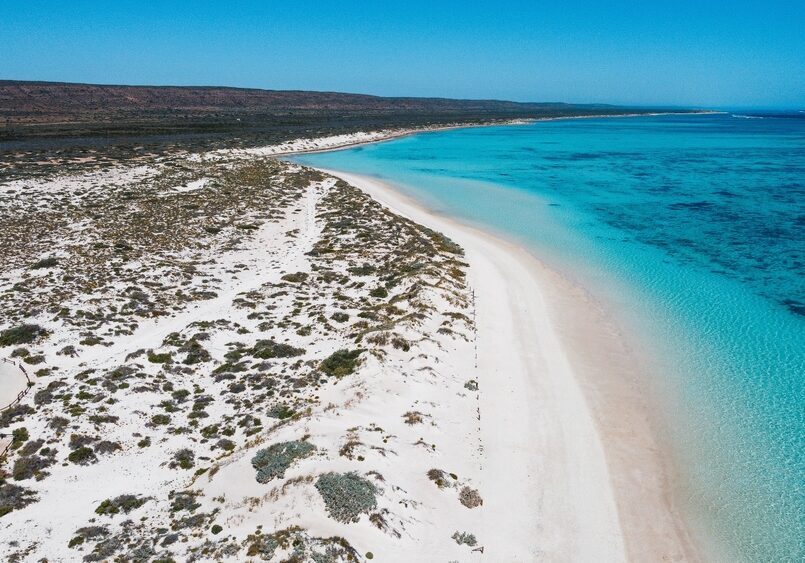
North Mandu Campground
North Mandu is a small, secluded campground with only a handful of sites tucked behind the dunes.
Facilities are simple but generally well maintained, and the location offers peaceful camping close to some of the best beaches and snorkelling areas in Cape Range.
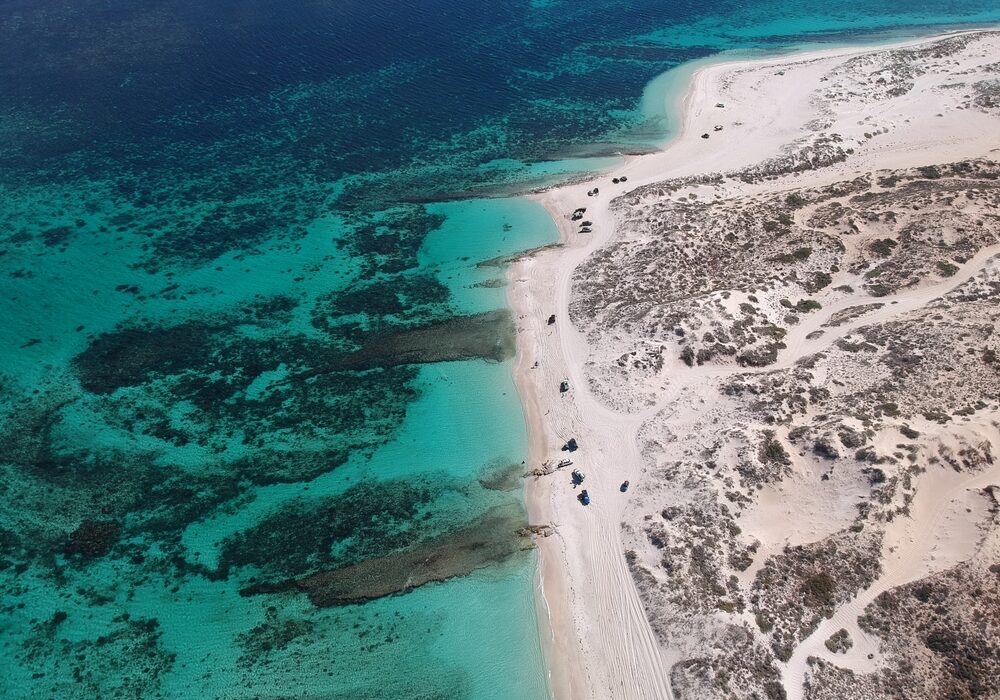
One K Campground
One K is a quiet and remote campground suited to self-sufficient travellers looking for space and solitude.
Facilities are basic and access requires some preparation, including lowering tyre pressures before arrival.
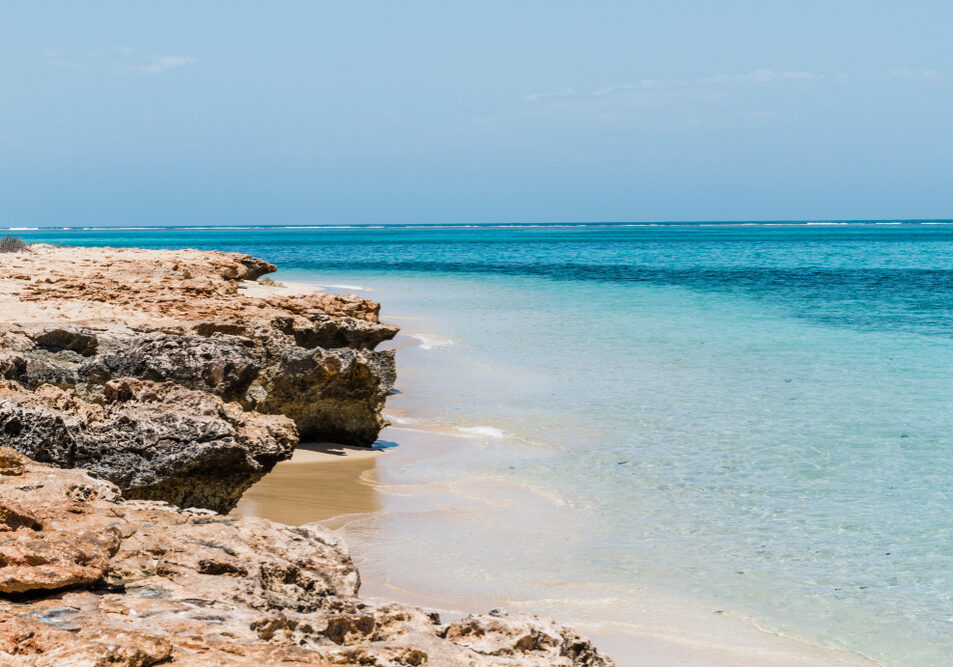
Osprey Bay Campsite
Osprey Bay Campsite is one of the standout campgrounds on the Ningaloo coast, with big, well-spaced sites right by the water, spotless long-drop toilets, and unreal snorkelling straight off the beach.
Point Billie Campground
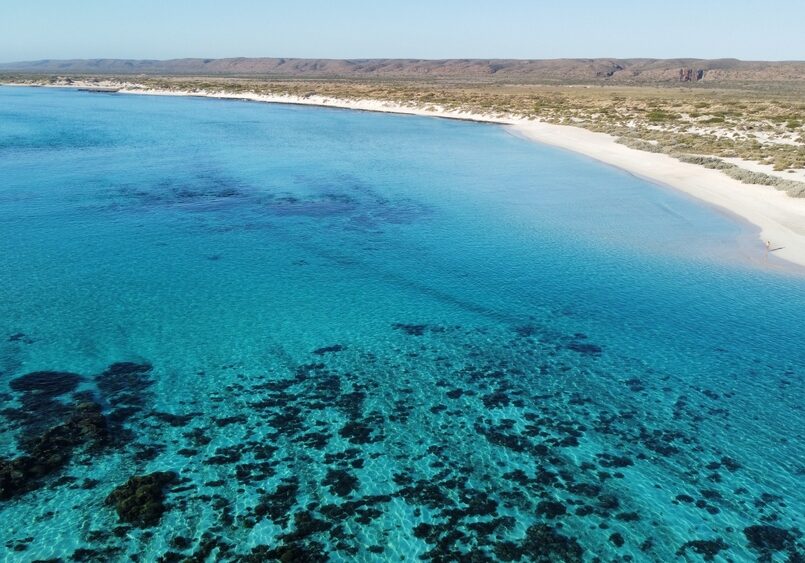
Point Billie Campground is a big, off-grid Ningaloo Station campground best suited to boaters and fishos, with huge sites, cracking sunsets, and plenty of wildlife. Expect wind, exposure and a rough corrugated 4WD approach.
Sal Salis Ningaloo Reef
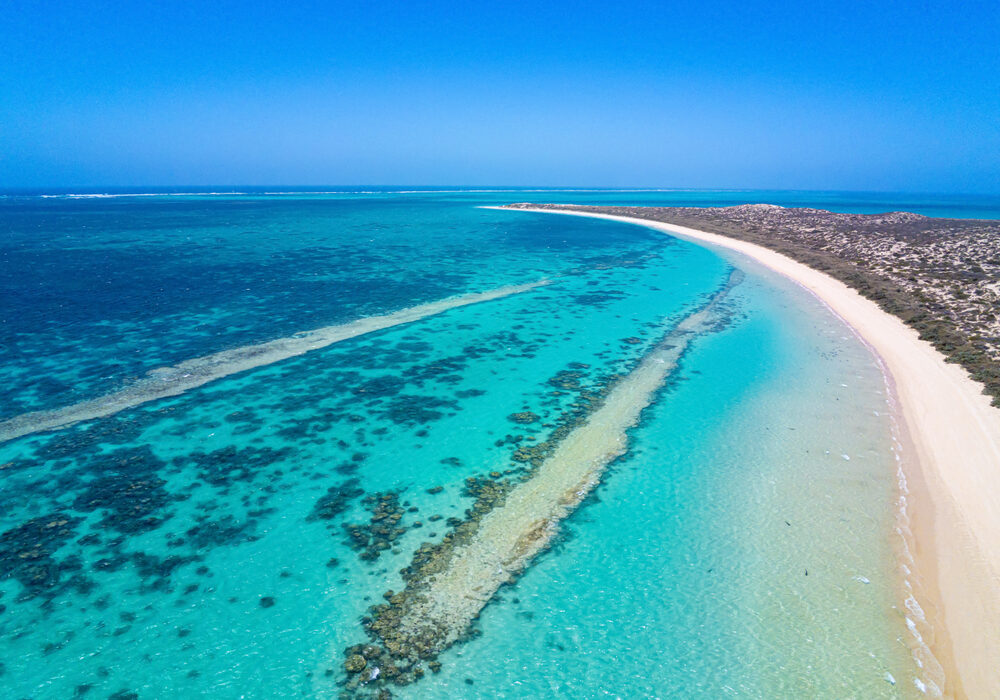
Sal Salis offers an exclusive, eco-luxury safari camp set within the dunes of Cape Range National Park, overlooking Ningaloo Reef.
With just 16 wilderness tents and one honeymoon tent, the experience blends barefoot comfort with guided nature-based activities and all-inclusive hospitality in a remote coastal setting.

South Lefroy Bay Campground
South Lefroy Bay Campground is a seriously special Ningaloo Station beach camp with clear, calm turquoise water and reef access straight off the sand.

Stans Camp (Overflow Camp)
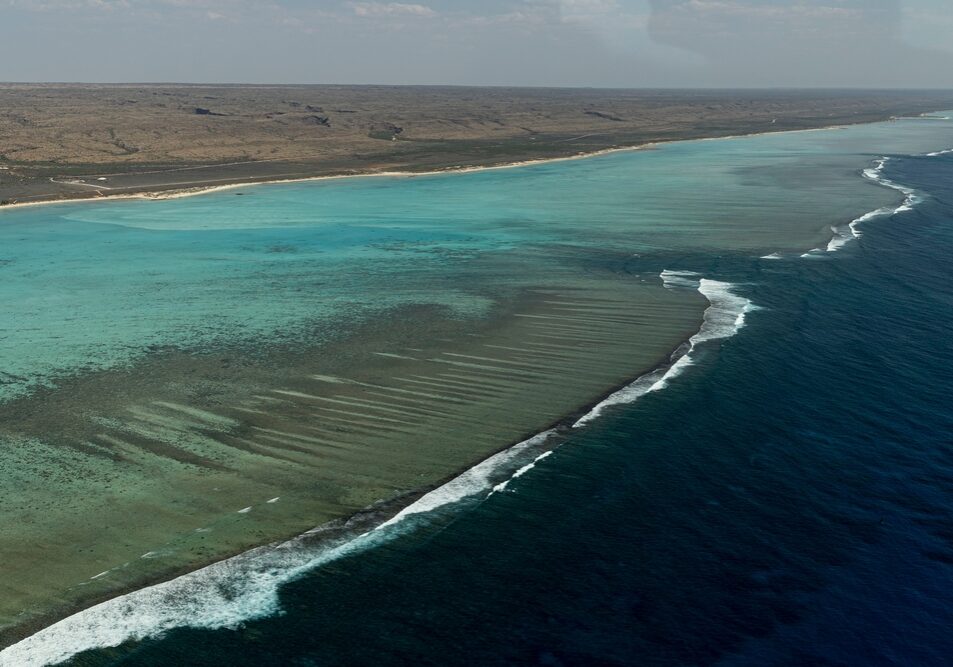
A basic Ningaloo Station overflow campground sitting inland from the reef line. It’s open, exposed and self-contained only, often used when nearby beachfront camps are full.
The Ridge Campground
Remote bush campground south of Coral Bay with unpowered sites and basic facilities.
Tulki Beach Campground
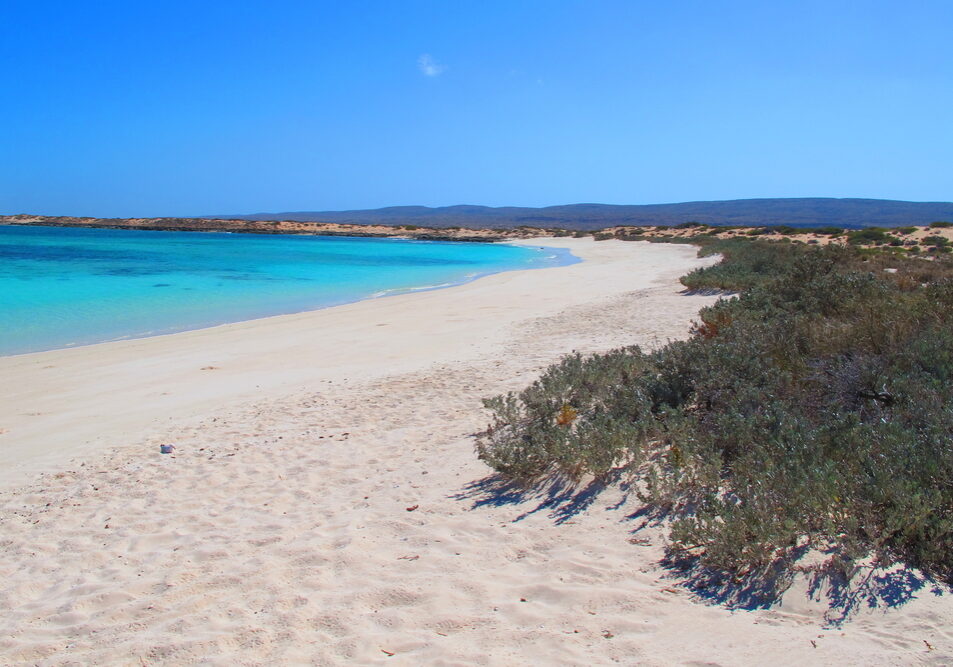
Tulki Beach Campground is a small, well-kept Cape Range National Park campground known for its peaceful feel and proximity to some of Ningaloo’s best snorkelling areas.
Not directly on the reef edge, but close enough to paddle or walk to the water with ease.
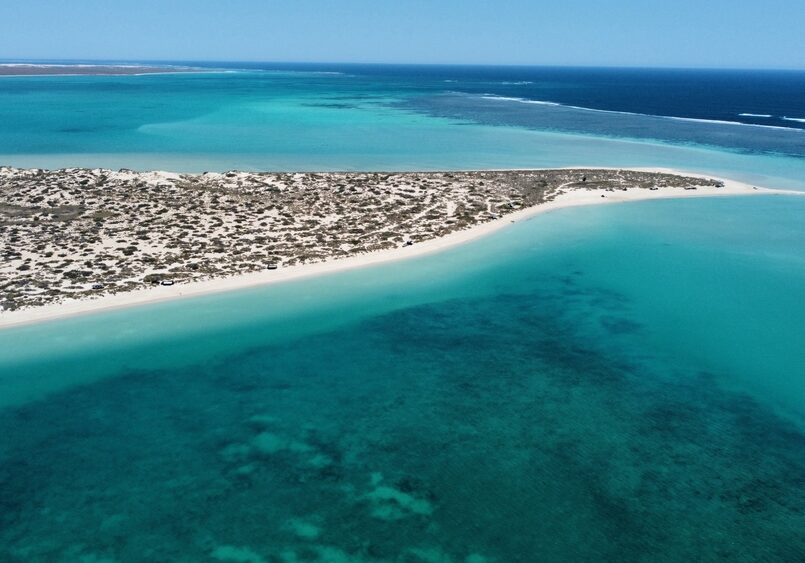
Winderabandi Point Campground
Winderabandi Point Campground is a remote beachfront campground on Ningaloo Station offering one of the most immersive reef and wildlife experiences along the coast.
Expect true off-grid camping, soft sand access and wide-open ocean views. It rewards preparation – and punishes complacency.
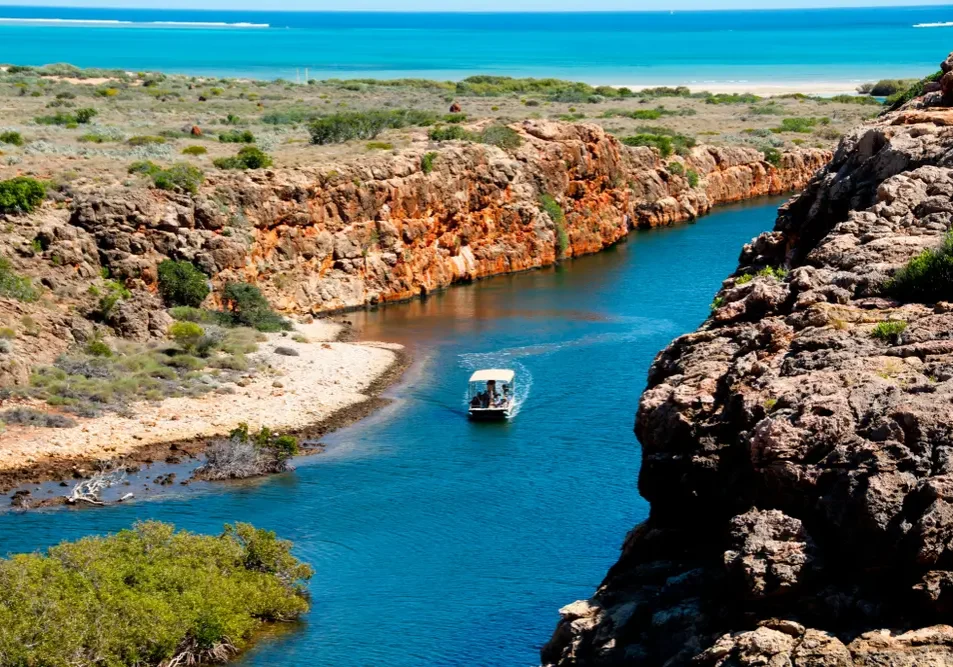
Yardie Creek Campground
Yardie Creek Campground is a small, beachside Cape Range National Park campground near the Yardie Creek gorge walks. People rate it highly for the location, sunsets, stargazing and the camp host vibe, but it’s basic and books out fast.
Bring water, expect long-drop toilets, and plan around the creek crossing if travelling south.