
Planning Fuel Stops in Carnarvon and Exmouth
A trip to Ningaloo Station is one of Western Australia’s great coastal drives, but it’s also a journey where fuel planning is essential rather than optional.
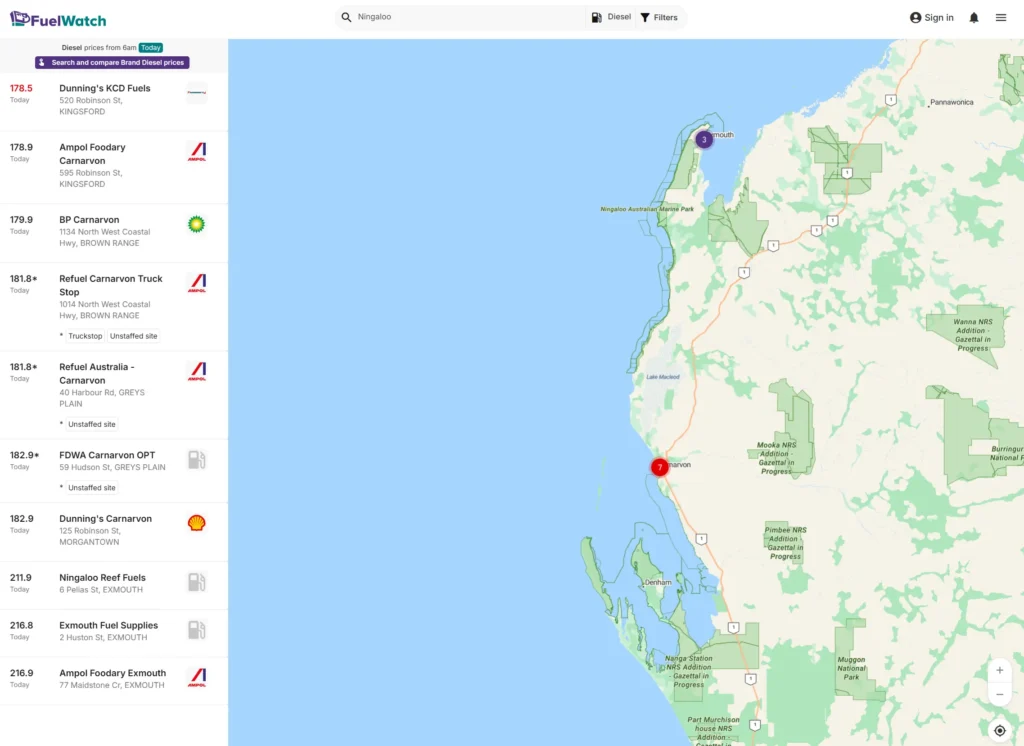
Once you leave the main highway towns, there are no fuel stations along the Ningaloo Coast. Travellers must plan around the two service towns available:
Carnarvon – your last major refuel at regional pricing
Exmouth – your final top-up before entering the coast
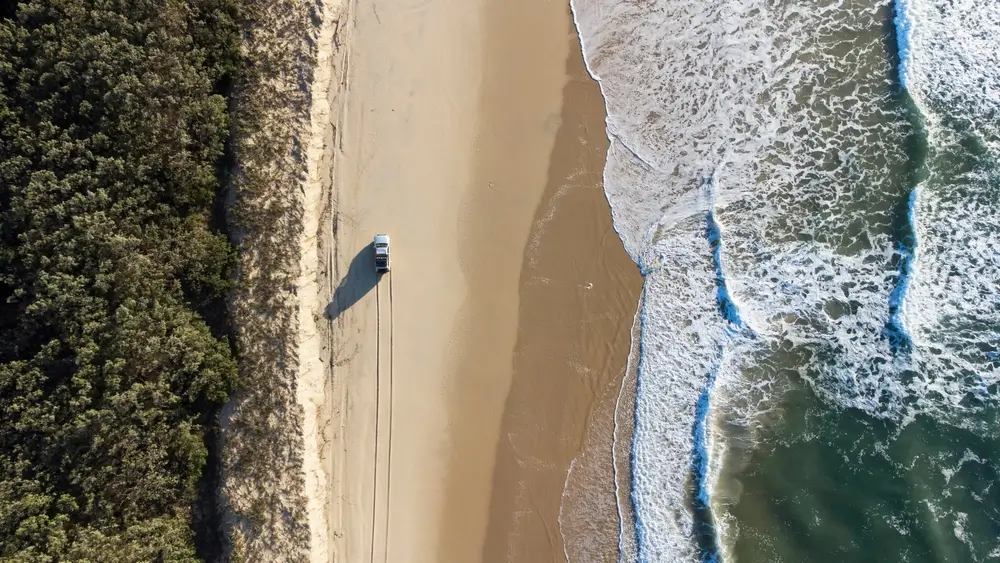
Between these locations and the coastal camping areas, you cannot rely on finding fuel. This means understanding your range, avoiding unnecessary consumption, and in some cases carrying reserve fuel can make the difference between a relaxed trip and a stressful one.
Headwinds, sand driving, detours and exploring beaches will all increase usage compared to highway driving.
This applies whether you are travelling north toward Ningaloo or returning south to Perth.
Fuel Stops in Carnarvon
Carnarvon is the most important fuel stop on the journey north. Prices are typically lower than Exmouth and availability is reliable, so most travellers leave town with a completely full tank before continuing.
There are multiple stations in town, giving flexibility depending on traffic and vehicle size.
EG Ampol Carnarvon
90-92 Robinson St, Carnarvon WA 6701
A centrally located modern station commonly used by highway travellers. Easy access and reliable availability make it a straightforward place to refuel before leaving town.
Good for: quick highway refuel
Tip: Ideal when passing straight through
Ampol Foodary Carnarvon
595, Robinson St, Carnarvon WA 6701
A popular traveller stop combining fuel, takeaway food, groceries and ice. Many visitors prepare here before entering remote travel.
Good for: fuel plus supplies before long distances
BP Carnarvon – North West Coastal Highway
1134 North West Coastal Hwy, Brown Range WA 6701
Located on the outskirts, this stop suits caravans and trailers due to simpler entry and exit compared to central streets.
Good for: large vehicles and avoiding town traffic
Dunning’s Carnarvon
99/125 Robinson St, Morgantown WA 6701
A long-standing local service station regularly used by locals and travellers alike.
Good for: straightforward refuel with fewer queues
Dunning’s KCD Fuels (Kingsford)
Another reliable local option and a useful backup if other stations are busy.
Carnarvon Planning Tip
Even if you plan to refuel again in Exmouth, leaving Carnarvon full reduces fuel costs and gives you a comfortable range buffer for changing conditions.
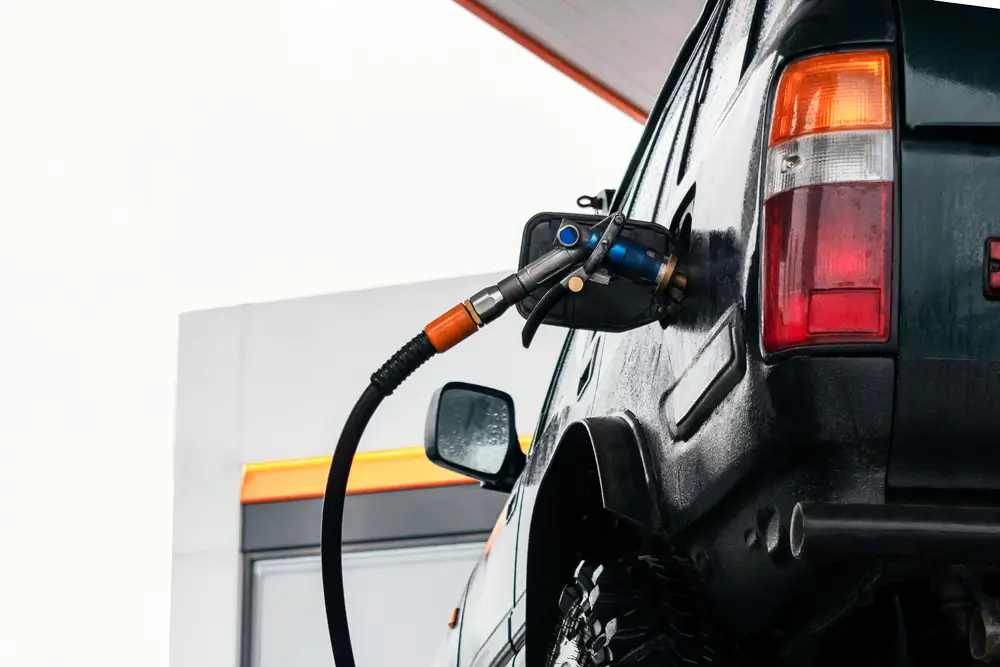
Fuel Stops in Exmouth Before Heading to Ningaloo Coast
Exmouth is the final opportunity to purchase fuel before travelling into Ningaloo coastal areas. There are only three fuel stations in town, and once you leave them, there are no further refuelling points along the coast.
Fuel consumption increases significantly once you begin coastal driving due to sand, slower speeds and lower tyre pressures.
Ampol Foodary Exmouth
Lot 315 Murat Rd, Exmouth WA 6707
The main full-service station in town and the most common stop for visitors. A practical place to fuel and stock up before leaving sealed roads.
Good for: fuel plus groceries and supplies
Note: Often busy during peak travel times
Ningaloo Reef Fuels
A centrally located independent station often quicker for a simple top-up.
Good for: fast refuelling stop
Exmouth Fuel Supplies
A depot-style forecourt commonly used by 4WD and towing vehicles.
Good for: caravans and larger rigs
Exmouth Planning Tip
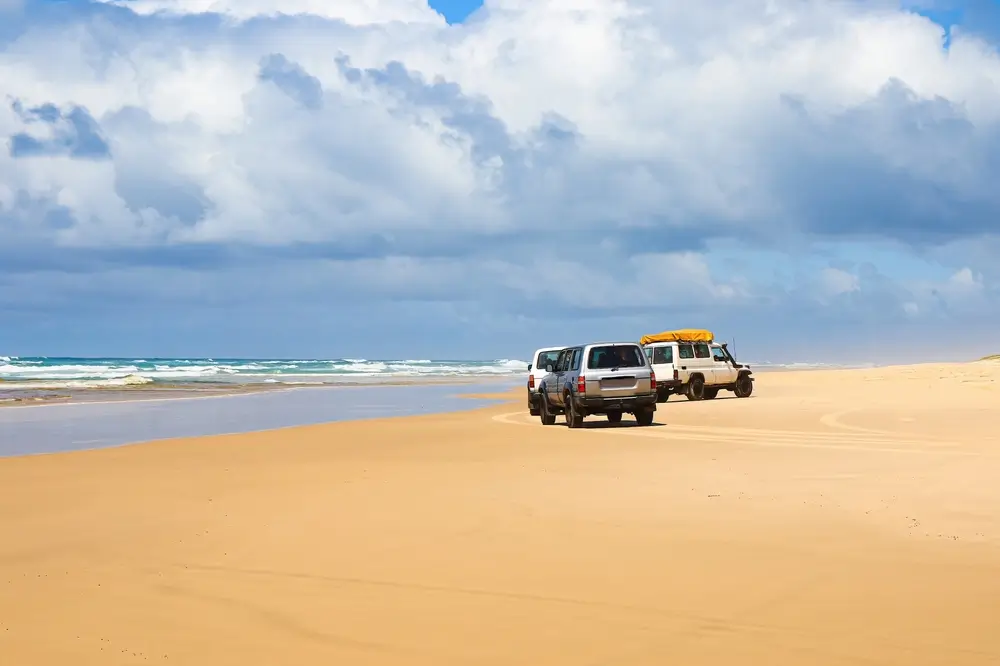
Leave Exmouth with a full tank. There are no coastal fuel stations and beach driving increases consumption. Running a tight fuel margin will restrict how far you can comfortably explore.
Recommended Fuel Strategy
A reliable approach for Ningaloo trips is:
Fill in Perth and en route → refill in Carnarvon → top up in Exmouth → explore → refill again in Exmouth before heading south.
Many travellers also carry reserve fuel depending on their range and how much exploring they plan to do.
Estimating Your Fuel Needs
Every vehicle and driving style is different. To calculate a realistic fuel budget based on distance, consumption and regional pricing differences, use the trip calculator:
Planning ahead lets you explore the Ningaloo Coast confidently without worrying about range.
How Much Fuel Range Do You Really Need?
Because there are no fuel stations along the Ningaloo Coast, your vehicle’s safe driving range matters more than the advertised distance on your dashboard.
Highway range figures are based on steady speed driving. Coastal travel is very different. Sand access tracks, lower tyre pressures, slower speeds and detours to beaches all increase fuel consumption.
As a rule, you should plan for higher usage than normal highway driving.
Recommended Minimum Safe Range
| Vehicle Type | Suggested Safe Range Before Leaving Exmouth |
| Small SUV / 2WD | 450–500 km |
| Standard 4WD | 550–650 km |
| 4WD with rooftop tent | 600–750 km |
| 4WD towing camper | 700–900 km |
| Caravan towing | 800–1000 km |
These ranges allow for exploring, backtracking and unexpected conditions rather than simply driving directly in and out.
Why You Need a Buffer
Conditions that commonly increase fuel usage:
- Headwinds along the coast
- Soft sand access tracks
- Sightseeing detours
- Lower tyre pressures
- Stop-start driving between beaches
Many visitors use significantly more fuel than expected, particularly on their first trip.
Should You Carry Spare Fuel?
If your realistic range is near the lower end of the above guide, carrying reserve fuel is strongly recommended. Even a small safety margin can greatly increase how relaxed you feel while exploring.
Frequently Asked Questions on Fuel and Range in Australia
In most cases, yes – but only if you leave Exmouth with a full tank and limit unnecessary driving. Smaller vehicles have less margin for detours, so planning your daily travel becomes important.
Not always, but many visitors choose to carry spare fuel for peace of mind. If your vehicle range is under about 550–600 km in real driving conditions, carrying reserve fuel is strongly recommended.
No. There are no coastal fuel stations. The only reliable refuelling points are Carnarvon and Exmouth, so you must plan your range before leaving town.
Fuel consumption increases due to sand tracks, lower tyre pressures, headwinds and slower driving between beaches. Coastal travel uses noticeably more fuel than highway driving.
Generally not recommended. Most travellers refuel in both Carnarvon and Exmouth to maintain a safe margin and avoid restricting where they can explore.
Diesel vehicles usually achieve better range, which makes planning easier, but both petrol and diesel vehicles can comfortably complete the trip with correct preparation.
Fill in Perth and en route → refill in Carnarvon → top up in Exmouth → explore → refill again in Exmouth before heading south.
Want to Stay at Ningaloo station?
Use our Travel Calculator
More Locations
Check out the rest of the Locations available
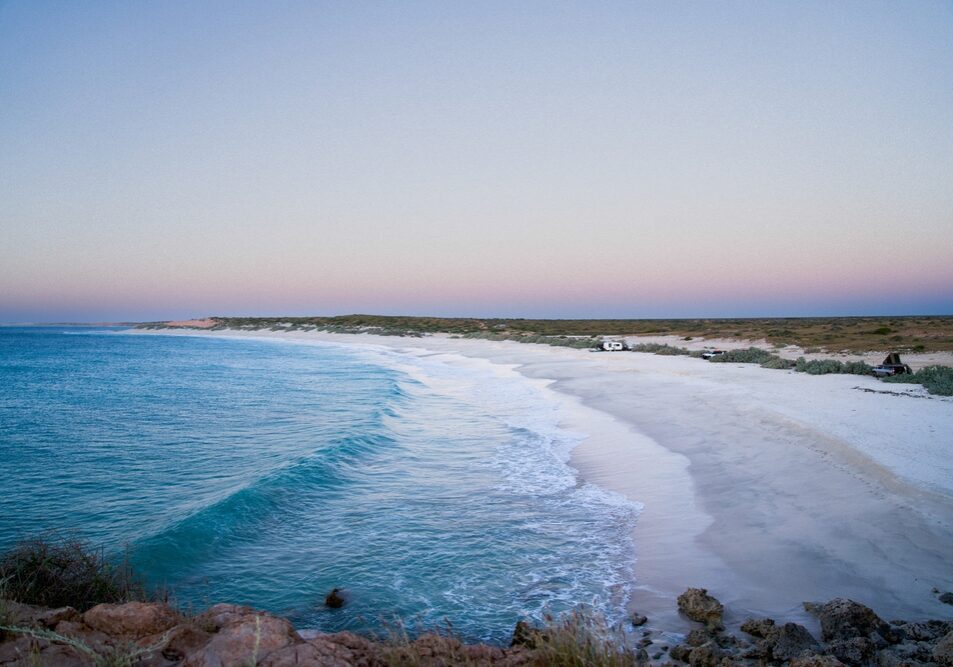
14 Mile Beach Camp
14 Mile Beach Camp is a remote, off-grid beachfront campground near Coral Bay with white sand, turquoise water, big skies and epic sunsets.
It’s dog-friendly (on lead) and well-priced, but you need to arrive prepared because there are no toilets, showers, or water on site.
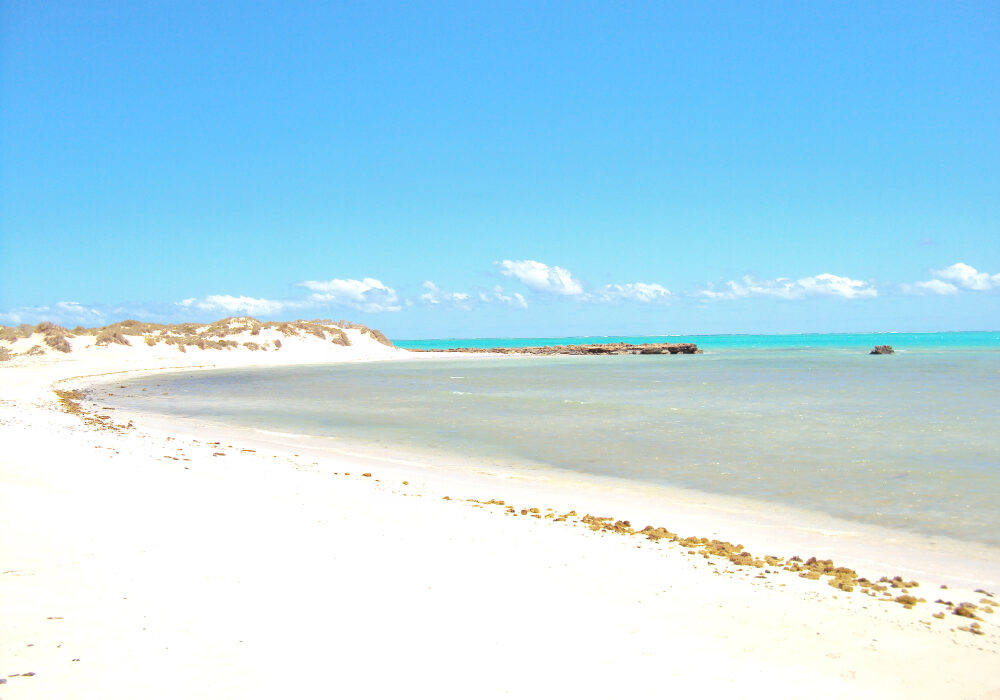
Boat Harbour Campground
Secluded 4WD-access campground with basic amenities near Ningaloo Marine Park.
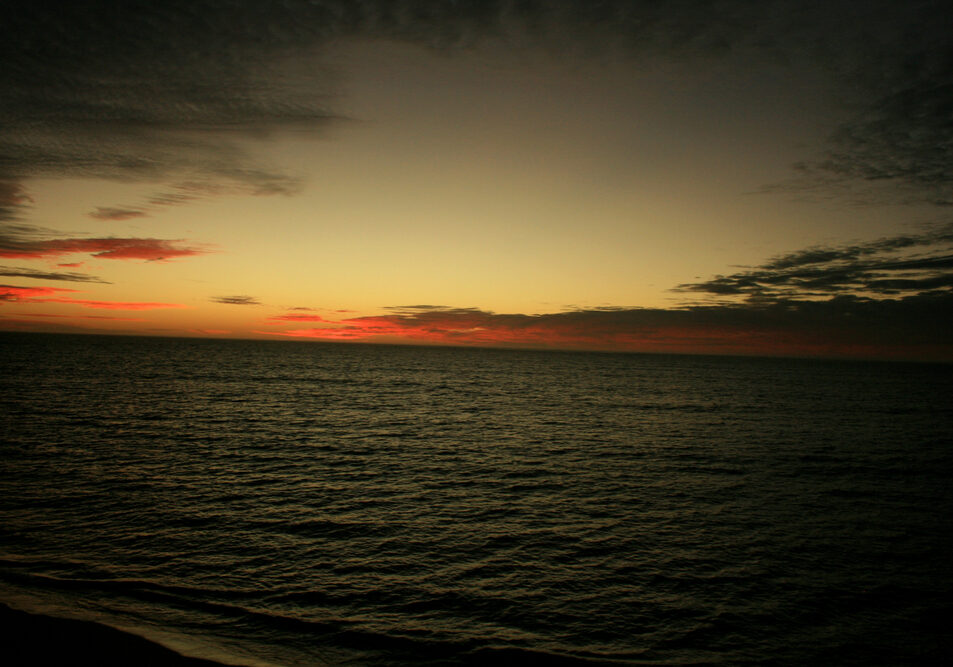
Bruboodjoo Campground
Bruboodjoo Campground is a large, off-grid coastal camping area north of Coral Bay suited to self-contained travellers, especially fishers and boat owners.
Expect big open sites, beach launching access, and a remote feel rather than structured campground facilities.
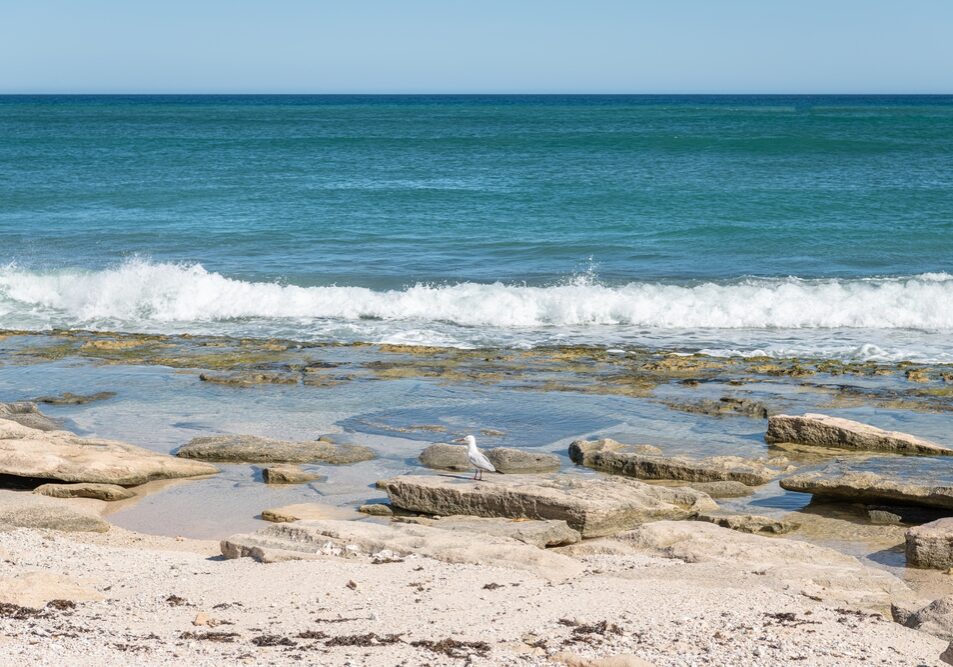
Bungarra Campground
Bungarra Campground is a small inland campground set slightly back from the shoreline, offering a quieter and more sheltered stay than the beachfront sites.
With only a handful of camps and a short walk to the water, it suits travellers who want proximity to the coast without being directly exposed to wind and salt.
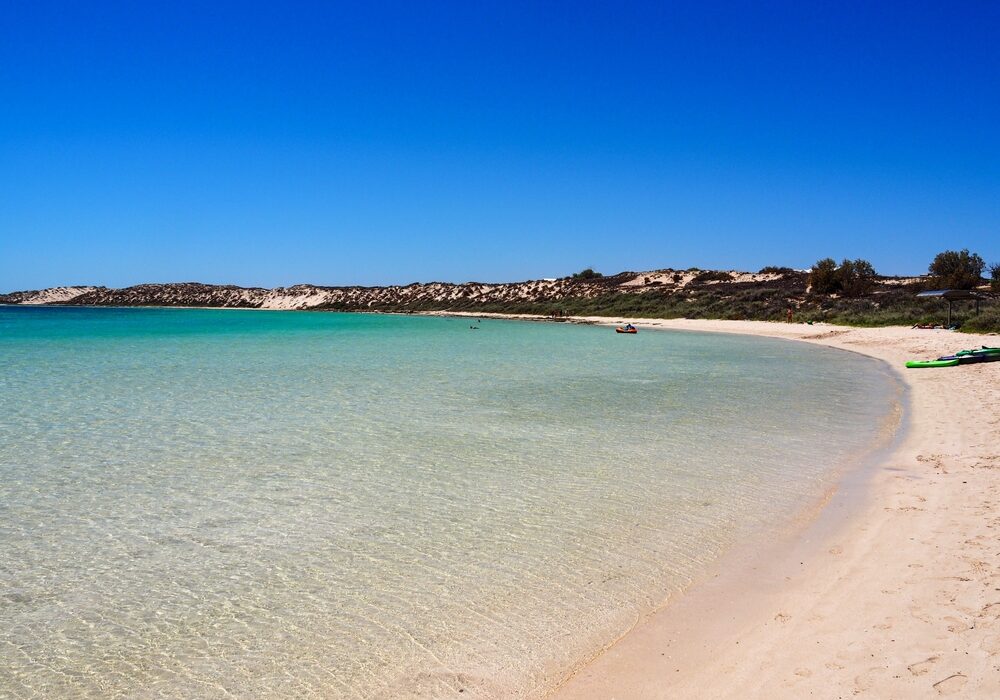
Janes Bay Campground
Janes Bay Campground is a remote coastal campsite suited to travellers who want space, simplicity and a proper off-grid stay.
There are no built facilities, just open camps, ocean views and plenty of wind. The journey in can be rough, so it’s best suited to well-prepared campers with capable vehicles and everything they need on board.
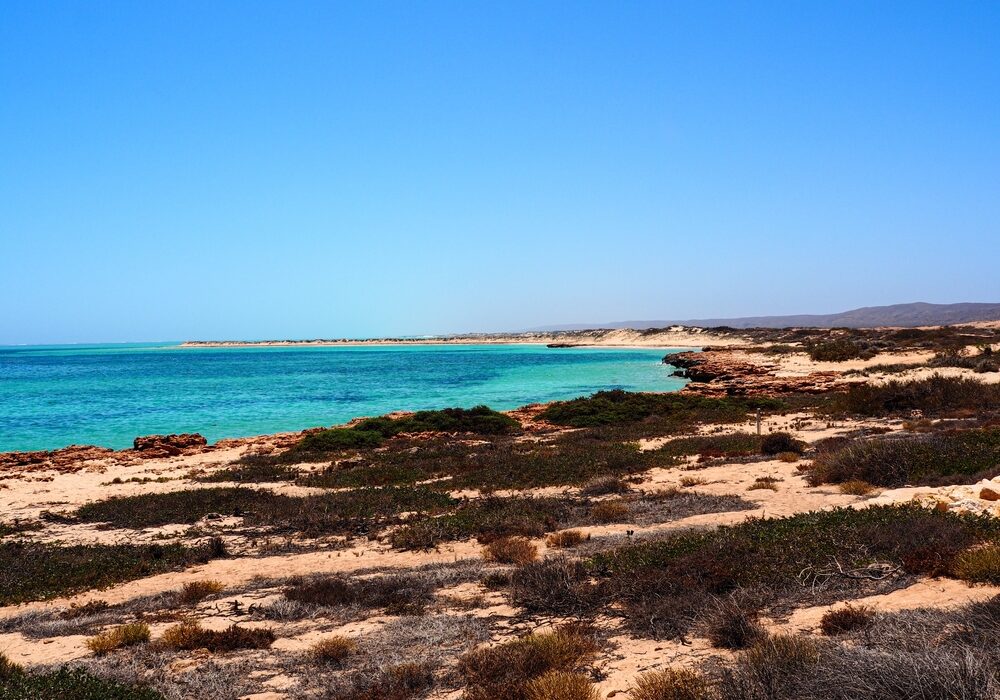
Kurrajong Campground (Cape Range)
Kurrajong Campground is a quieter Cape Range campground with easy dune access to the water, clean facilities and a laid-back feel.
It’s a solid choice for travellers who want a more peaceful base, simple amenities, and quick access to swimming and reef time.
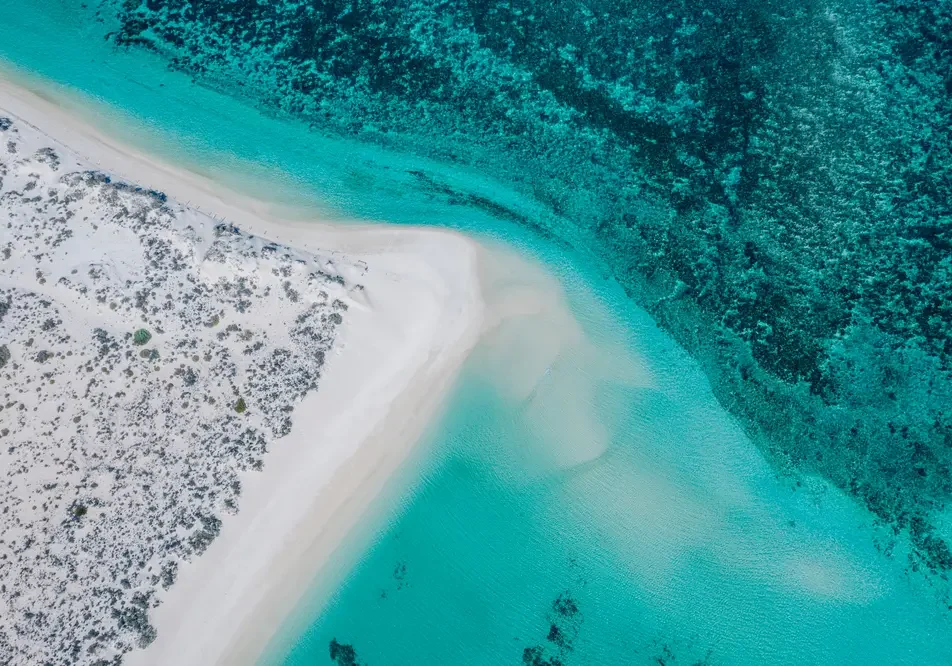
Mesa Camp
Mesa Campground is a popular coastal campground with spacious sites, beach access and easy launching for small boats.
Facilities are simple but well maintained, and some sites have shade. Generators are permitted during set hours.
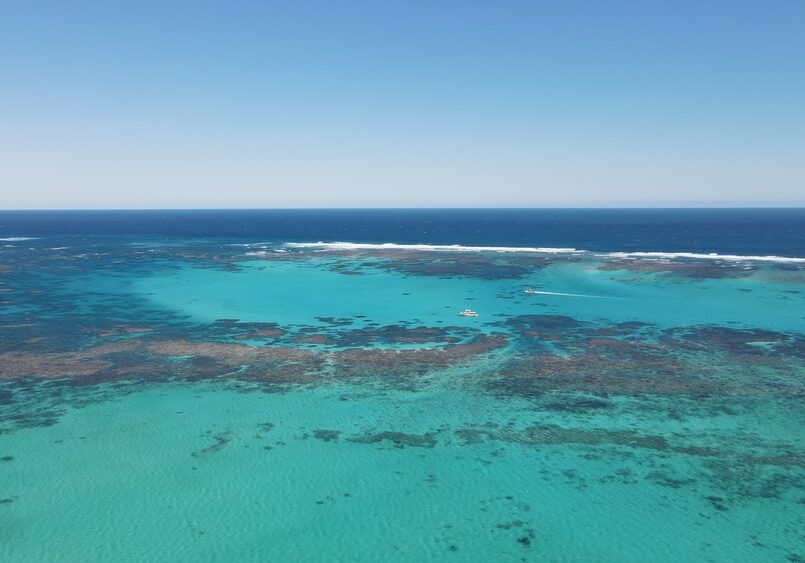
Neds Campground
Neds Campground is a small, peaceful campground tucked behind the dunes with a short walk to a quiet swimming beach and excellent sunset views.
Sites are spacious, some with tree cover, and facilities are simple but well maintained.
North Kurrajong & T-Bone Campground (Cape Range)
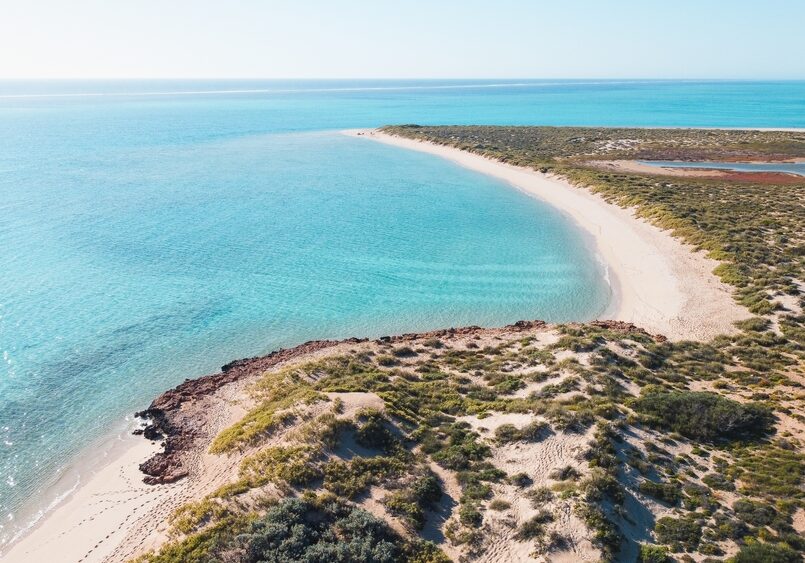
North Kurrajong Campground is a spacious coastal campground set just behind the dunes with easy access to reef and swimming areas.
Facilities are basic but well maintained, and the location is known for wildlife sightings, snorkelling and peaceful surroundings.
Best suited to self-sufficient travellers wanting nature, quiet and proximity to the reef rather than a serviced camping area.
North Lefroy Campground
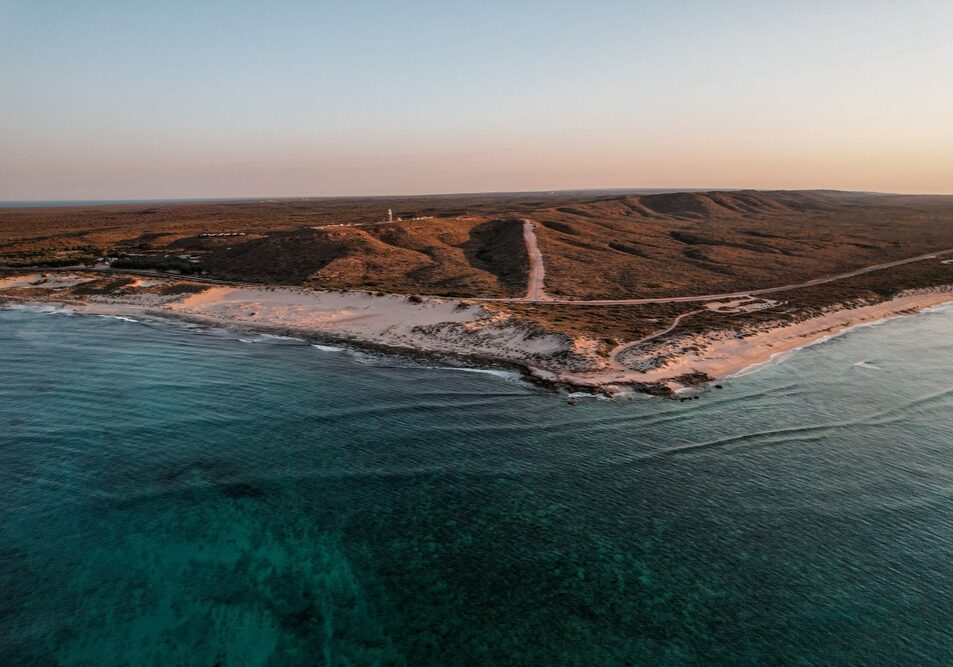
North Lefroy is a spacious beachfront campground with large private sites and excellent access to fishing and boating.
Facilities are basic and the access track can be rough and sandy, so a capable 4WD and lowered tyre pressures are essential.
North Mandu Campground
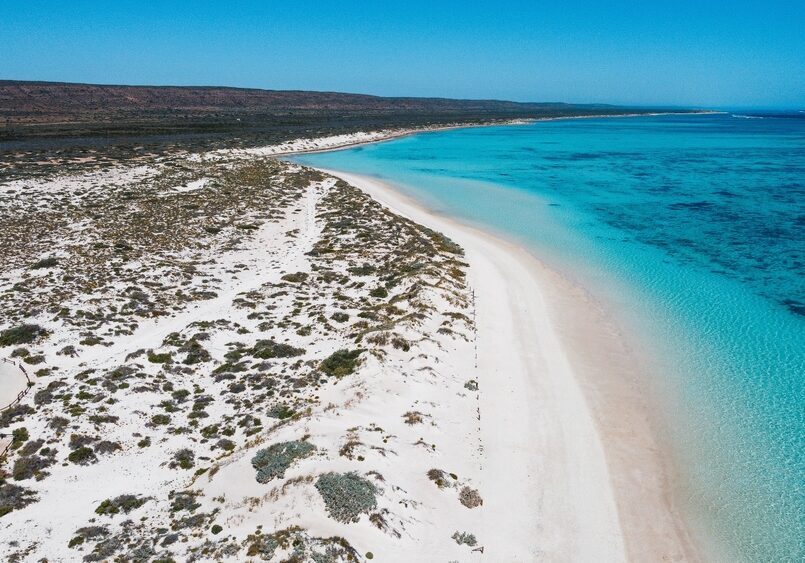
North Mandu is a small, secluded campground with only a handful of sites tucked behind the dunes.
Facilities are simple but generally well maintained, and the location offers peaceful camping close to some of the best beaches and snorkelling areas in Cape Range.
One K Campground
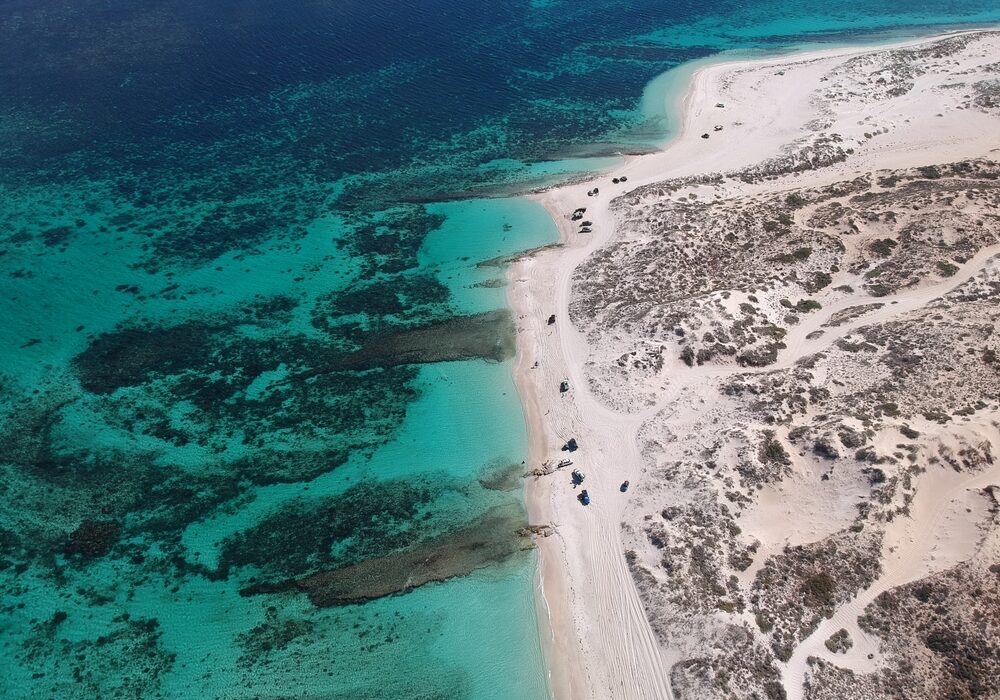
One K is a quiet and remote campground suited to self-sufficient travellers looking for space and solitude.
Facilities are basic and access requires some preparation, including lowering tyre pressures before arrival.
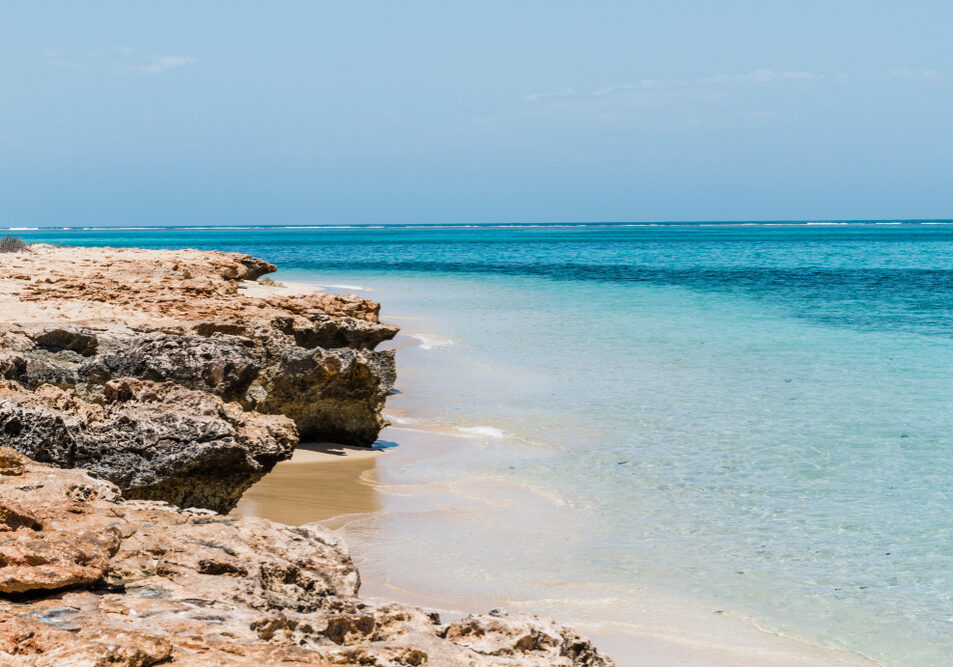
Osprey Bay Campsite
Osprey Bay Campsite is one of the standout campgrounds on the Ningaloo coast, with big, well-spaced sites right by the water, spotless long-drop toilets, and unreal snorkelling straight off the beach.
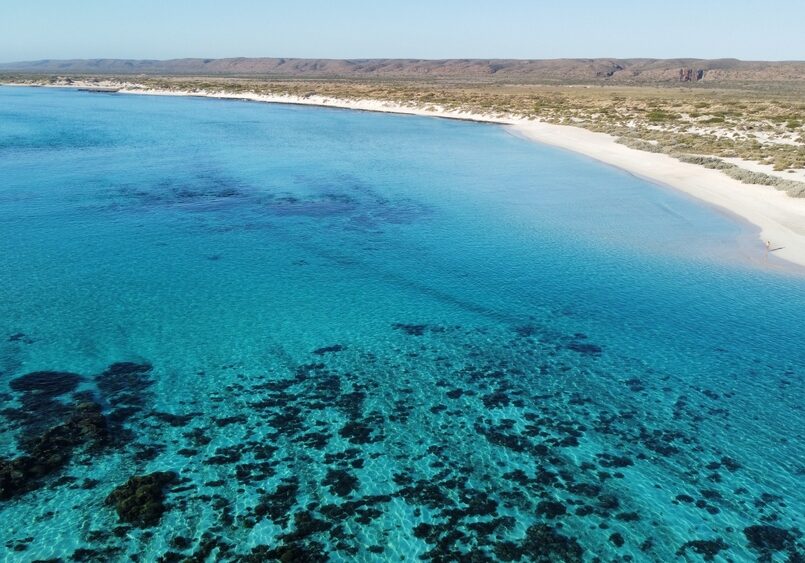
Point Billie Campground
Point Billie Campground is a big, off-grid Ningaloo Station campground best suited to boaters and fishos, with huge sites, cracking sunsets, and plenty of wildlife. Expect wind, exposure and a rough corrugated 4WD approach.
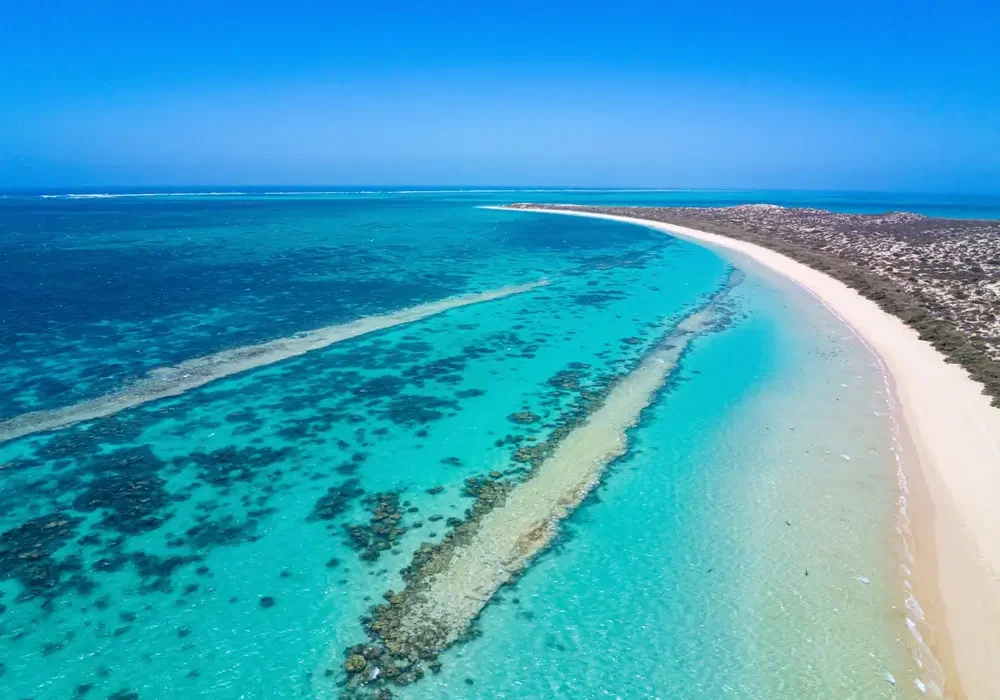
Sal Salis Ningaloo Reef
Sal Salis offers an exclusive, eco-luxury safari camp set within the dunes of Cape Range National Park, overlooking Ningaloo Reef.
With just 16 wilderness tents and one honeymoon tent, the experience blends barefoot comfort with guided nature-based activities and all-inclusive hospitality in a remote coastal setting.
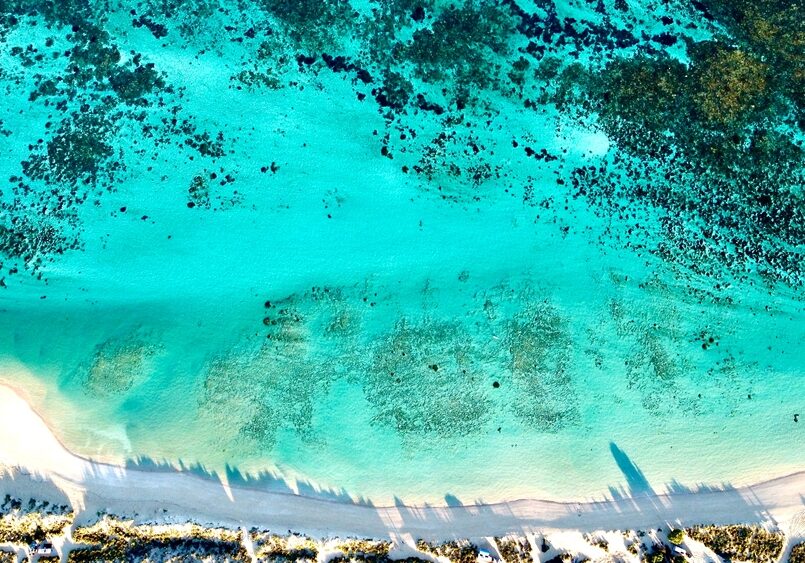
South Lefroy Bay Campground
South Lefroy Bay Campground is a seriously special Ningaloo Station beach camp with clear, calm turquoise water and reef access straight off the sand.
Stans Camp (Overflow Camp)
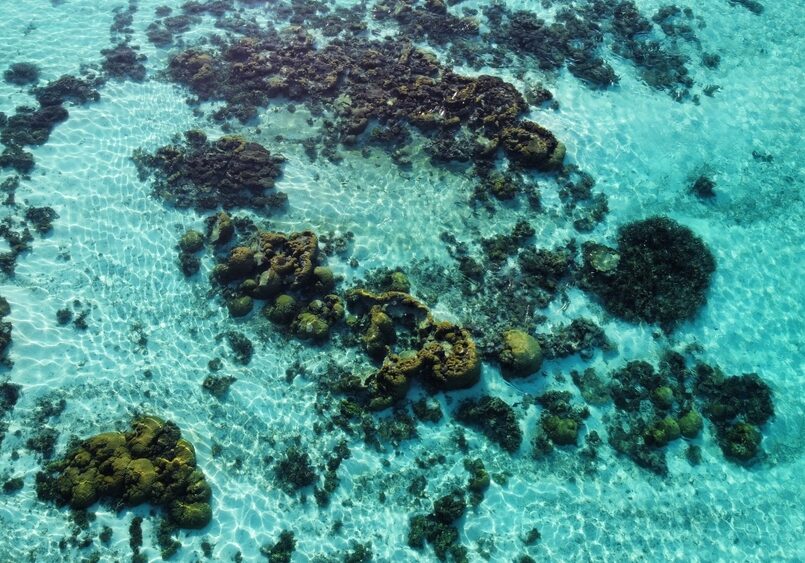
A basic Ningaloo Station overflow campground sitting inland from the reef line. It’s open, exposed and self-contained only, often used when nearby beachfront camps are full.
The Ridge Campground
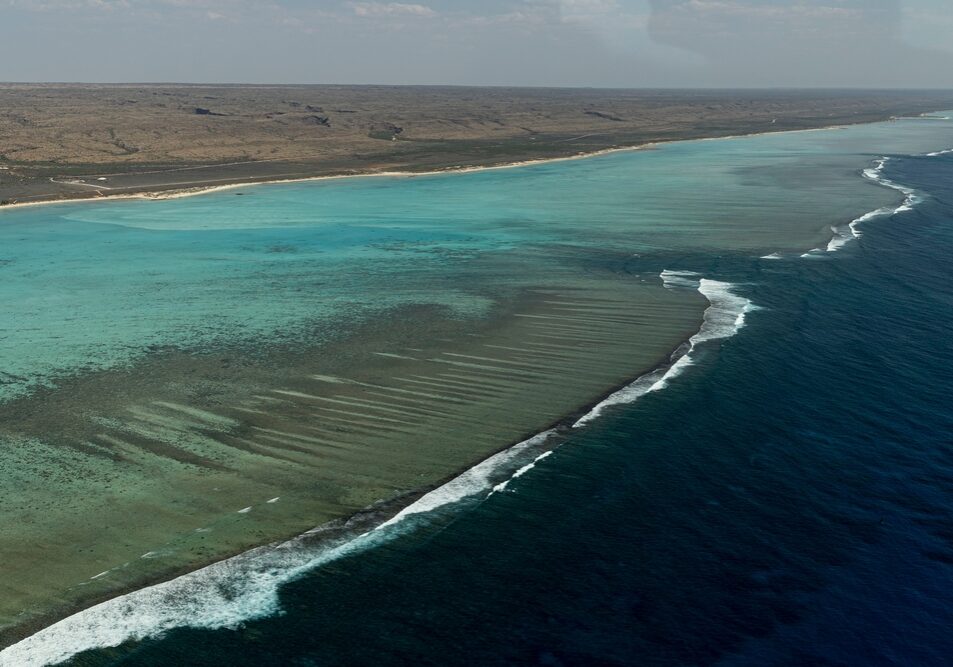
Remote bush campground south of Coral Bay with unpowered sites and basic facilities.
Tulki Beach Campground
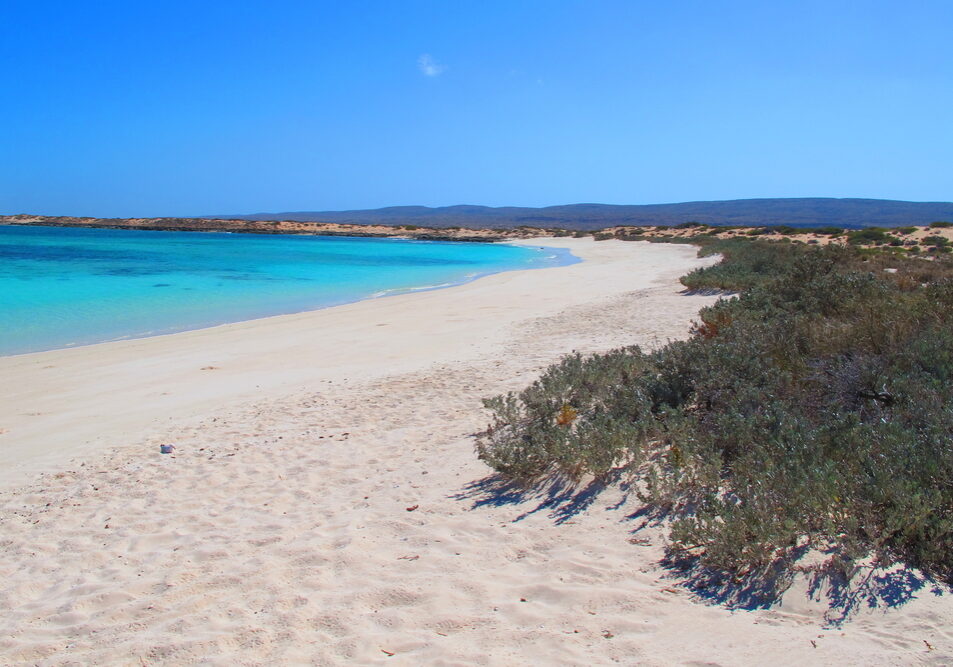
Tulki Beach Campground is a small, well-kept Cape Range National Park campground known for its peaceful feel and proximity to some of Ningaloo’s best snorkelling areas.
Not directly on the reef edge, but close enough to paddle or walk to the water with ease.
Winderabandi Point Campground
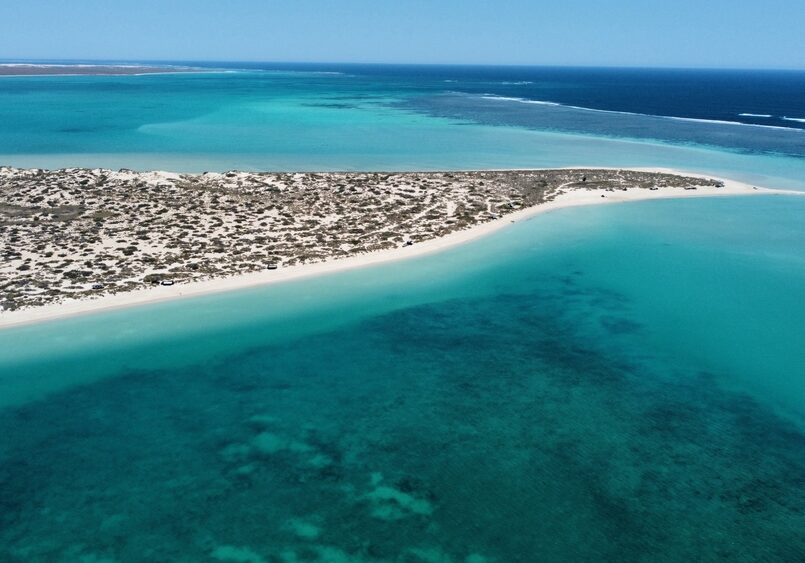
Winderabandi Point Campground is a remote beachfront campground on Ningaloo Station offering one of the most immersive reef and wildlife experiences along the coast.
Expect true off-grid camping, soft sand access and wide-open ocean views. It rewards preparation – and punishes complacency.
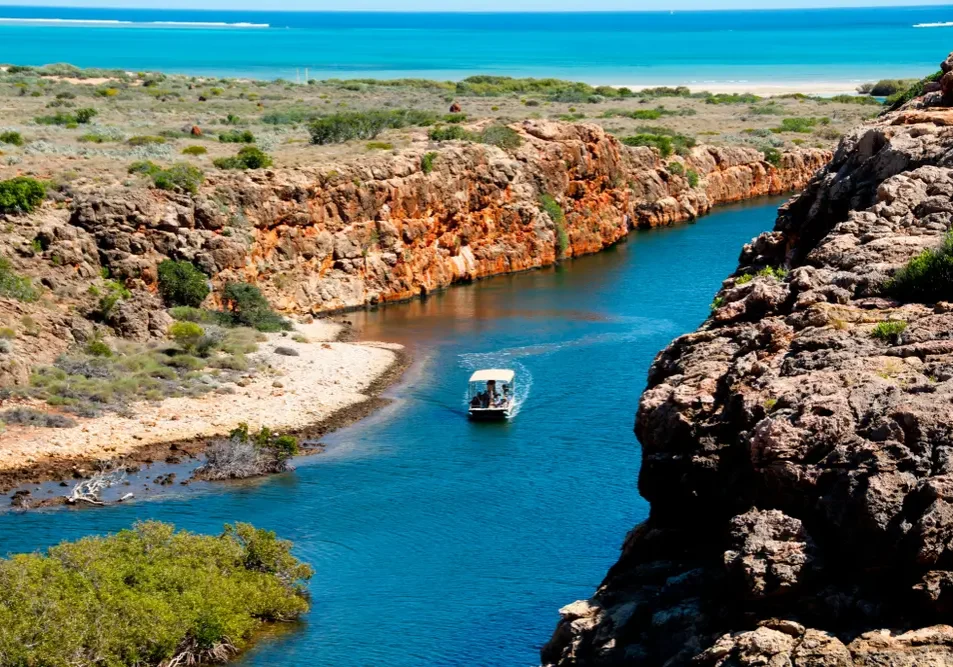
Yardie Creek Campground
Yardie Creek Campground is a small, beachside Cape Range National Park campground near the Yardie Creek gorge walks. People rate it highly for the location, sunsets, stargazing and the camp host vibe, but it’s basic and books out fast.
Bring water, expect long-drop toilets, and plan around the creek crossing if travelling south.