
A WA Adventurer’s Guide to Choosing or Upgrading Your Rig
If you have ever sat at your kitchen table mapping a Coral Coast trip, you already know the question that holds everything up. What is the right vehicle for Ningaloo?
The answer shapes the rest of the planning, because the wrong rig turns an Australian adventure into a recovery exercise, and the right one makes the same drive feel like a long, satisfying weekend on the move. We see hundreds of visitors roll through every season, and the rigs that arrive at the station gates carry the same story: the trip was easier when the vehicle suited the country.
Ningaloo Station has spent years welcoming families, retirees, FIFO escapees and first-time tourers onto the Ningaloo Coast, and the patterns are clear. This guide walks through what the drive demands, the vehicle categories that work, the gear that actually earns its space, and how to think about upgrading when your current car will not stretch to the country. It is the conversation we have with visitors every week, written down so you can plan with the same confidence.
What The Drive to Ningaloo Actually Demands
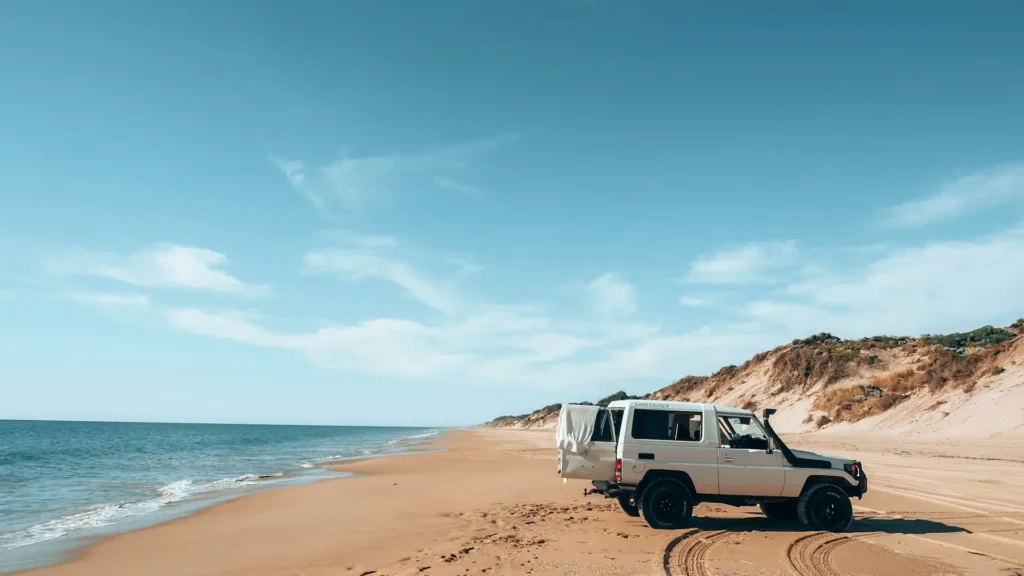
The Ningaloo Coast sits roughly 1,400 kilometres north of Perth, and the route delivers more than just bitumen. The Brand and Northwest Coastal Highways through Geraldton and Carnarvon are sealed roads, but once you turn off toward the coast, the country changes.
Red dirt tracks, soft sand on the beach access points, rough tracks across the cape, river crossings during the cooler months, and steep dunes near the more remote campsites. Track conditions shift from one season to the next, and what worked last August might be deeply rutted by the same time this year.
Add the working reality of the country itself. Long stretches between fuel stops, mixed terrain demanding both highway pace and low range work in the same day, road trains kicking up dust, heat that punishes vehicle maintenance shortcuts, and the genuine remoteness once you are off the highway.
Two-wheel drive vehicles can reach the Coral Coast tourist towns, but the country that makes Ningaloo special starts where two-wheel drive vehicles have to stop. We hear it from visitors every week. They wish they had planned for the country, not just the kilometres on the map.
Vehicle Categories That Work on the Ningaloo Coast
There is no single right vehicle. What matters is matching the rig to the kind of trip you want. The four broad categories below cover almost every guest who arrives through our gates.
Heavy-Duty 4WDs
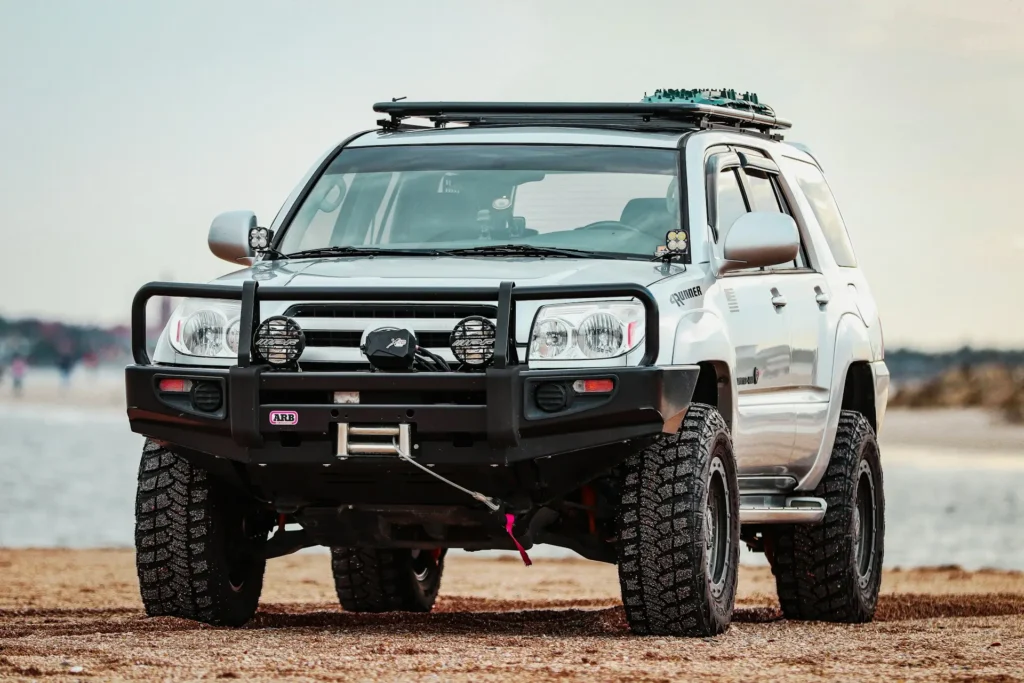
The Toyota LandCruiser (70, 200 or 300 Series) and the Nissan Patrol (Y61 or Y62) sit at the top of the food chain for serious off-road adventures. They carry heavy loads, tow comfortably above 3,000 kilograms, run high ground clearance, and shrug off rough terrain that breaks lesser rigs.
If you plan to head off the beaten track, tackle deep sand, run a roof top tent or a serious touring fit-out, this is the category that delivers more control and more capability without compromise.
The trade-offs are well known. They use more fuel, they cost more upfront, and they take more car park real estate. A couple from Albany rolled into our station last year in a 79 Series LandCruiser with a long-range fuel tank and a slide-on camper, and they crossed the same country a Hilux would have made hard work of without breaking sweat.
Mid-Sized 4WDs
The Toyota Prado, the Mitsubishi Pajero Sport, and the Ford Everest cover the middle ground beautifully. They have proper low range, real ground clearance, and the off-road capability to handle the kind of country most visitors want to see.
They are smaller, more economical, and easier to park back in the city. For a family of four with a roof rack, a fridge, basic recovery gear, and a roof top tent, they punch above their weight on the Ningaloo Coast.
Dual-Cab Utes
The Ford Ranger, the Toyota Hilux, the Mazda BT-50, and the Isuzu D-Max are the workhorses of WA touring. Most arrivals at our station gates come in a dual-cab ute with a canopy, an awning, and a decent set of all terrain tyres.
The Ford Ranger Wildtrak with an aftermarket suspension upgrade and a steel bullbar handles the country well, and we see a lot of Geraldton-based travellers using them year-round for beach runs and remote access.
All-Wheel Drives and Two Wheel Drive Vehicles
The Subaru Forester, the Outback, the Toyota RAV4 and the Mitsubishi Outlander have made huge improvements over the last decade. They can absolutely reach the coastal towns, the tourist precincts, and many of the easier campsites. But low clearance cars and soft road AWDs will struggle on the beach access tracks, the steep inclines on the dunes, and the deep ruts that develop after rain. We have helped more than one guest in a 2WD recover their hire car from sand they should never have driven into.
The Essential Accessories for Off Road Driving
The rig matters, but the gear it carries matters almost as much. The right vehicle without the right gear still leaves you stranded. Here is what we tell visitors to invest in before they head north.
Tyres And Pressures
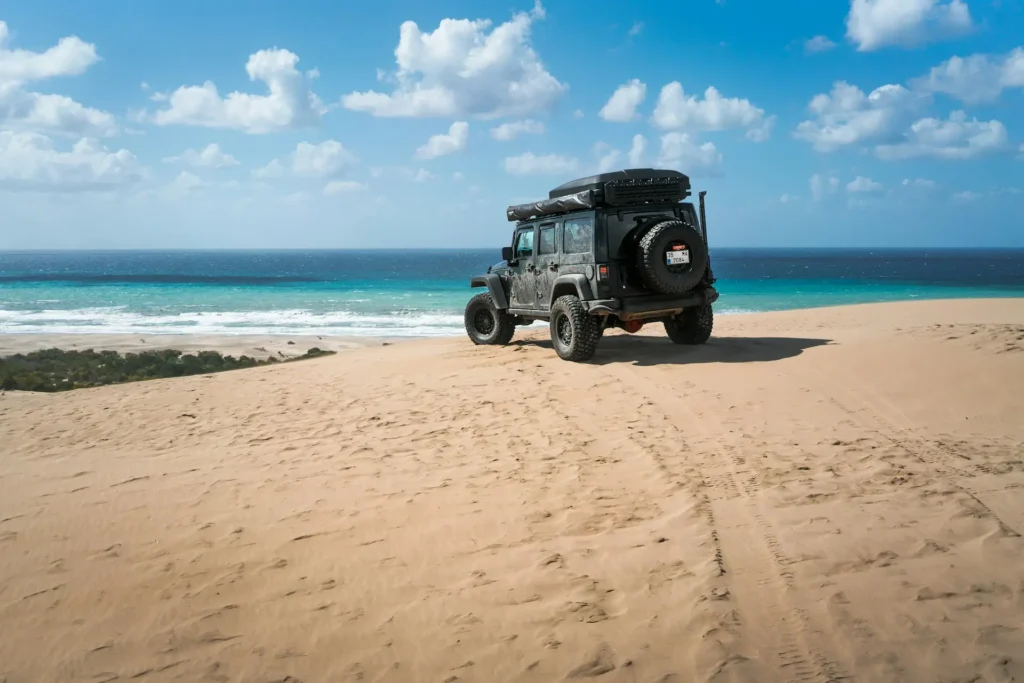
The single most important upgrade for the trip is a good set of all terrain tyres. They give better traction on red dirt, soft sand, and the rough tracks across the cape, while still rolling smoothly on the sealed roads to get you there.
Equally important is an accurate gauge and the discipline to lower pressures when you hit the beach. Most visitors run about 30 to 35 PSI on the highway, drop to 18 to 22 PSI for soft sand, and pump back up at the first opportunity. We have seen new rigs cooked on the same beach because nobody let air out of the tyres.
A tyre repair kit, a 12-volt compressor, and a spare wheel that you have actually checked the pressure on are non-negotiable. Two would be better. We have lost count of how many vehicles limp into the station with a single ruined tyre and a long stare into the middle distance.
Recovery Gear and Vital Components
Basic recovery gear should cover a snatch strap, a tree trunk protector, two soft shackles or rated bow shackles, and a pair of recovery boards (Maxtrax or similar). Make sure your vehicle has rated recovery points front and back, not just two points.
A snatch strap connected to an unrated point is a genuine danger to everyone in the immediate area, and we tell visitors this every time the topic comes up. A small first aid kit, an aid kit refresher for vehicle wounds (cable ties, duct tape, fencing wire, spare batteries, a roll of self-amalgamating tape) and the discipline to know how to use them rounds out a self-recovery setup that does not need to be an expensive setup.
Long Range Fuel and Jerry Cans
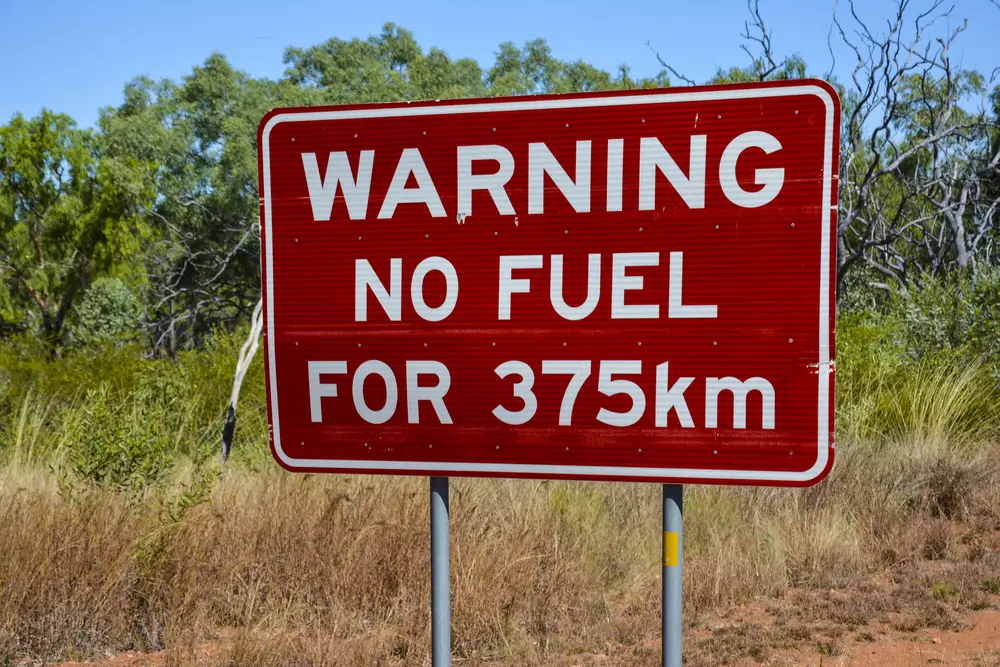
Fuel stops between Carnarvon and Exmouth are spread out, and the country is not the place to run on fumes. Long range fuel tanks or two well-secured jerry cans of extra fuel give you the buffer the country demands.
Plan to carry enough extra fuel to give yourself a 200-kilometre safety margin past your expected range and refuel any time you can rather than any time you must. Engine oil checks every fuel stop and a quick walk around your vehicle to look at vital components is a habit worth building.
Water Storage and Solar Panels
Drinking water and washing water are the next essentials. Carry at least 5 litres of drinking water per person per day plus a buffer and add a separate jerry of washing water. Solar panels on the roof rack or a portable folding panel keep the fridge running and the spare batteries topped up while you are off grid.
A 100-amp hour deep-cycle battery, a DC-to-DC charger, and 150 watts of solar is a popular and reliable setup for two travellers running a fridge and lights for several days at a remote site.
Setting Up the Cabin and Sleeping Arrangements
How you sleep on the trip shapes both the vehicle choice and the gear list. Three setups cover almost every visitor we welcome.
Roof Top Tent or Rooftop Tent Trailer
A rooftop tent is the most popular setup we see at the station. They are quick to set up, sit safely above the ground, and free up the rear of the vehicle for storage. They do raise the centre of gravity and add a load to the roof rack rating, so check your manufacturer specifications carefully and consider a suspension upgrade if you are running the rig fully loaded.
Swag And Ground Tent
The traditional setup, still the favourite for many long-term visitors. Lighter, cheaper, faster to pack, and easier when the wind is howling. The downside is the ground itself in some of the dustier sites, so a good groundsheet earns its space.
Camper Trailer Or Caravan
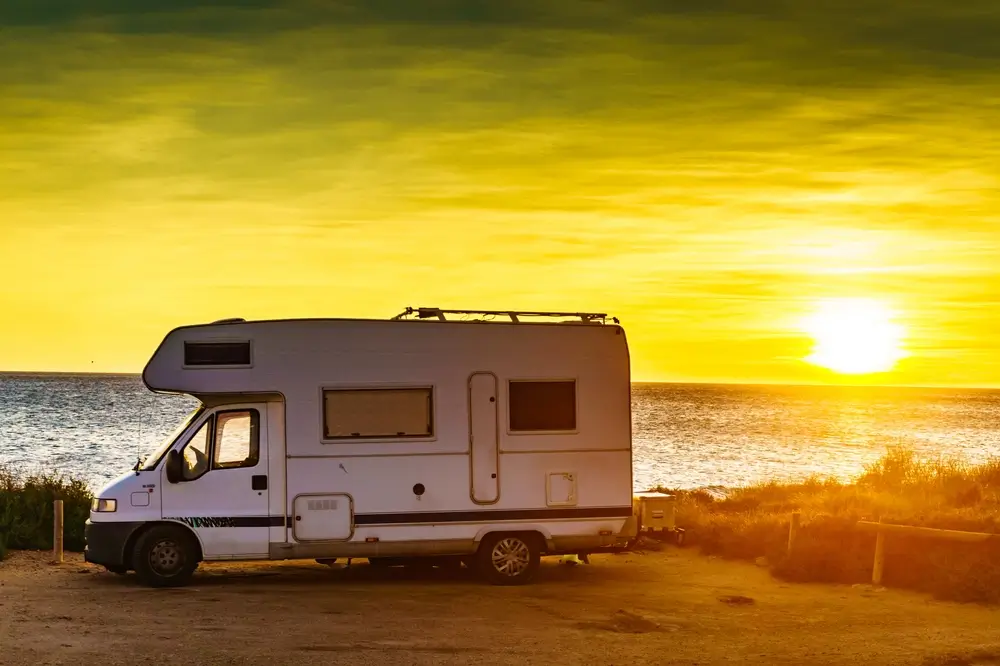
For longer stays or family groups, an off-road camper trailer or a properly rated van turns the trip into something altogether more comfortable. Your own toilet, a real kitchen, proper bedding, and the ability to leave camp set up while you head off for a day on the reef. The trade-off is the towing capacity required of the vehicle and the limited number of tracks a trailer can negotiate.
Cooking gear should cover a two-burner stove, a good cast-iron pan or camp oven, a kettle, a small chopping board, basic utensils, and food storage that survives the heat. We tell visitors not to overthink it. Simple food cooked well around the fire beats elaborate menus that never make it out of the esky.
When Your Current Vehicle Is Not Up to the Task
This is the conversation we have with visitors at the station bar more often than any other. The trip would have been better with a different rig, and the next one definitely will be. There is no shame in admitting your current car is built for the city and not the country, and there is real value in being honest with yourself before you commit to the drive.
If your current vehicle does not have the off road capability, the ground clearance, the fuel range, or the towing capacity to do the kind of trip you want, an upgrade often makes financial sense once you factor in the cost of hire vehicles, recovery callouts, repairs, and the lost time when something does not go to plan. The classic Perth example is the couple who hires a 4WD for one trip, then another, then realises they should have just bought the right rig and saved the hire bill.
When that moment comes, selling the current car cleanly is the start of the upgrade. Our friends at Sell My Car Pro handle the buying side properly for Perth sellers, from a city sedan or small SUV through to high-kilometre touring rigs, with the paperwork and the payout figure handled the right way. Get the sale of the old vehicle sorted before you commit to the new one, and you walk into the dealership or the private buy with a clear budget instead of a guess.
Kitting Out the New Rig Without Overspending
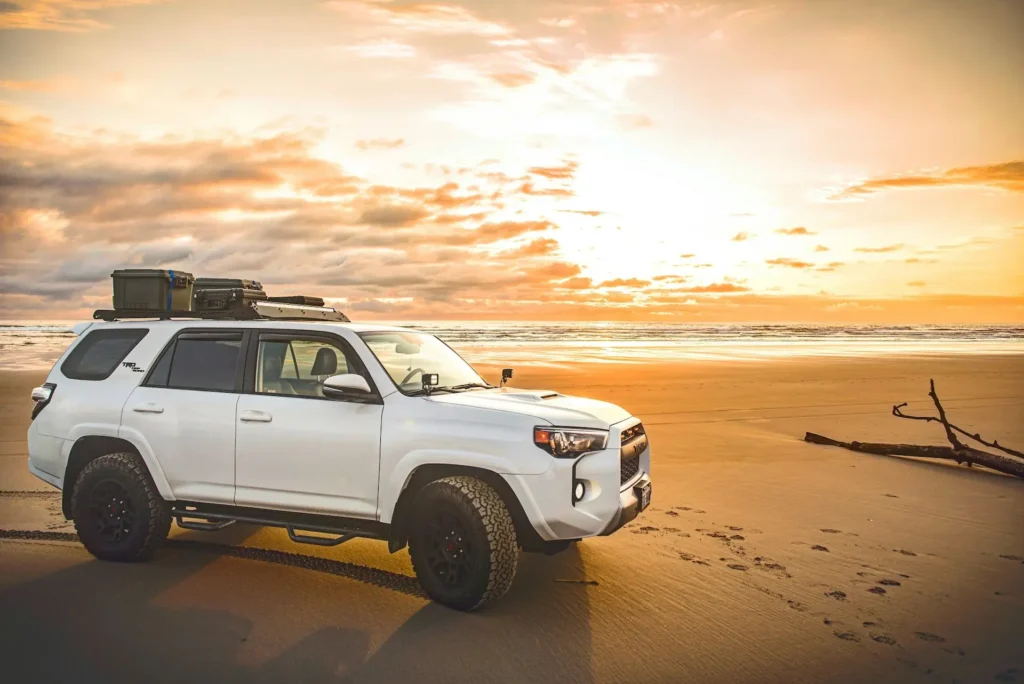
Once the right vehicle is in your driveway, the kit-out conversation begins, and it is easy to overspend. The principle we share with visitors is simple. Start with what the country actually demands, not what looks the part on Instagram.
Tyres, recovery boards, a snatch strap, rated recovery points, a 12-volt fridge, a basic dual-battery setup, an awning, a roof rack, and either a roof top tent or a swag will cover most travellers heading north. From there, the optional extras (winch, drawer system, second fridge, full kitchen, dual-zone fridge-freezer) earn their space if the kind of touring you do justifies them.
For the gear itself, 4×4 Extras is the WA team we send visitors to when they want to talk through accessories with people who actually use the gear. They cover the practical end of the market, from recovery gear and storage solutions through to roof racks, fridges, and the awning and shower setups that make a long trip easier on the body. Whether you are after a few must-haves or a full touring fit-out, they are a sensible first call before you commit to a list of gear you saw on social media.
The Drive Itself: What To Expect on the Ningaloo Coast
The journey from Perth begins on sealed roads through Cervantes, Geraldton, Kalbarri (if you take the inland diversion), Carnarvon, and finally toward Exmouth or Coral Bay. The Brand Highway and the Northwest Coastal Highway run reliably, with regular fuel stops, food, and accommodation. Roadhouses get further apart north of Geraldton, so refuel and rest at every opportunity.
Off the highway, the country gets genuinely interesting. The Cape Range National Park access tracks, the beach driving along the more remote campsites, the rock wallabies that scoot across the track at dusk, and the soft sand that catches new travellers out are all part of the experience. Carry paper maps as a backup to your GPS or phone navigation, drop tyre pressures before you hit the deep sand, and take local advice from the station team or the national parks rangers before pushing into unfamiliar tracks.
Rough terrain and water crossings (typically minor by April and May but worth checking) reward slow, deliberate driving. High range for the highway, low range for the sand and the steep inclines, and the discipline to stop and walk a track before you commit to it. We have seen too many visitors stuck in deep ruts they could have avoided by getting out for thirty seconds and looking.
Local Advice and Track Conditions Before You Go
The most important piece of preparation is also the cheapest. Pick up the phone to the Park Office (08) 9947 8000 / or contact the office by email, alternatively contact another touring outfit you trust on the Coral Coast before you set out. Track conditions on the Cape Range access roads, the beach driving sections, and the remote tracks south of Coral Bay change with rainfall, tides, and seasonal traffic.
We have watched experienced travellers turn back at the first wash-out because they relied on guidebooks instead of a phone call. The locals know which corrugations have shaken loose, which beach access points have been closed for the season, and which remote tracks are best avoided in your kind of rig. Treat that local advice as a free upgrade to your safety planning, because it is.
Tools And Trip Prep Worth Doing Before You Leave
A few hours of preparation at home saves days of frustration on the road. We share the same checklist with visitors every season.
A full vehicle service before the trip, with engine oil, coolant, brakes, tyres, suspension, and battery condition all checked. Fit a quality tyre gauge, check the spare, and make sure your tyre repair kit is stocked. Pack pain relief, sunscreen, electrolyte sachets, and personal medication in an aid kit you can find in the dark. Make sure your roadside cover and your insurance match where you are actually going, because some standard policies exclude remote off-road driving.
Carry a printed itinerary with key contact numbers, share it with someone at home, and check in regularly when you have signal. A satellite communicator or a PLB is a smart addition for genuinely remote areas where you might be days from help. And budget for one or two days of float in the schedule, because country like this rewards travellers who can pause when the weather, the track, or the moment calls for it.
Frequently Asked Questions
Yes, but with limits. Two-wheel drive vehicles can reach the major coastal towns, the tourist precincts in Exmouth and Coral Bay, the major sealed campsites, and the visitor-friendly stretches of the Cape Range National Park.
The beach access points, the deep sand sections, the steep dunes, and the remote tracks that take you to the truly quiet camping spots are 4WD-only country. If you want to experience the wilder side of the Ningaloo Coast, plan to be in a proper off-road rig.
We tell visitors to start at 18 to 22 PSI for soft sand and adjust based on how the vehicle behaves. Lower pressures spread the contact patch, giving better traction and reducing the chance of bogging.
Carry a 12-volt compressor and an accurate gauge so you can air up again before you hit the sealed roads. Running highway pressures across soft sand is the fastest way to get stuck.
If your rig is going to carry heavy loads (rooftop tent, drawers, dual-battery setup, a fridge, water tanks, a couple of jerry cans of extra fuel), a quality suspension upgrade pays for itself in ride comfort, towing stability, and reduced wear on vital components. For a one-off lightly loaded trip in a standard 4WD, the factory suspension is usually adequate.
Either works, but the principle is the same: have at least a 200-kilometre safety margin past your expected range when you head into remote areas. A long-range tank is cleaner, safer, and saves space however two well-secured jerry cans of more fuel achieve the same result for a fraction of the cost. Both are common solutions at the station fuel pumps.
A genuinely good tyre repair kit and the knowledge to use it. Punctures are the most common roadside problem in this country, and a 20-minute repair on the side of the track keeps the trip moving instead of turning into a 200-kilometre limp to the nearest workshop. After that, basic recovery gear, a first aid kit, and a kettle.
Most of the sites accommodate caravans and camper trailers, and many visitors do bring them. Always check the track conditions before you commit, especially after rain, and contact the station ahead of your arrival to confirm the best route in.
Bigger vans have less flexibility than off road camper trailers, but plenty of visitors arrive in conventional vans and find the experience easier than they expected.
April through to October is the peak window, with the cooler months delivering whale shark season (March to August), comfortable daytime temperatures, calmer ocean conditions, and the cleanest weather for off road driving and beach access.
November through to March is hotter and brings cyclone risk to the north, so most travellers plan around the cooler half of the year.
Conclusion
Choosing the right vehicle for Ningaloo is the decision that shapes the trip. Get it right and the country reveals itself in a way two-wheel drive vehicles will never see. The Toyota LandCruiser, the Nissan Patrol, and the mid-sized 4WDs and dual-cab utes that suit serious off-road adventures all earn their keep on the Ningaloo Coast, paired with the all-terrain tyres, recovery gear, long range fuel, water storage, and the basic discipline that the country deserves.
If your current rig is not built for the trip, sort the upgrade properly. Sell the old car cleanly through a Perth team that understands the touring market, kit out the new one with the gear that actually earns its space rather than the gear that just looks the part, and plan your time on the road around what the country demands rather than what your social feed suggests. When the rig is right, the rest of the trip falls into place.
Book your stay at our station for the dates that suit the country, get in touch with the team for current track conditions and local advice before you leave Perth, and let us know which corner of the Coral Coast you are aiming for. We will help you plan a trip that matches the rig and welcome you onto Western Australia’s most extraordinary stretch of coastline ready for the adventure that brought you here.
Want to Stay at Ningaloo station?
Use our Travel Calculator
More Locations
Check out the rest of the Locations available
14 Mile Beach Camp
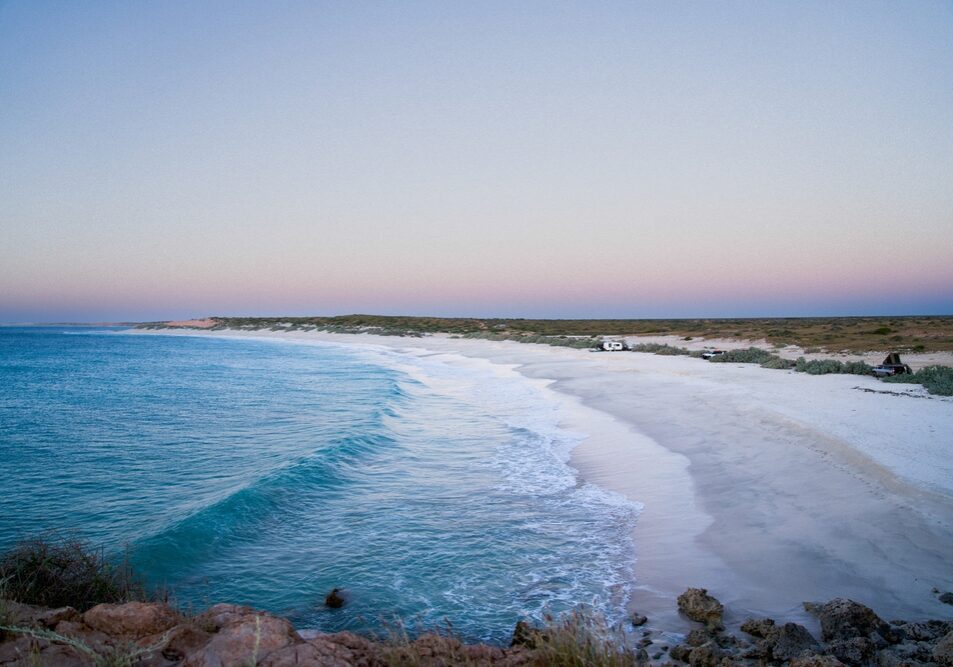
14 Mile Beach Camp is a remote, off-grid beachfront campground near Coral Bay with white sand, turquoise water, big skies and epic sunsets.
It’s dog-friendly (on lead) and well-priced, but you need to arrive prepared because there are no toilets, showers, or water on site.
Boat Harbour Campground
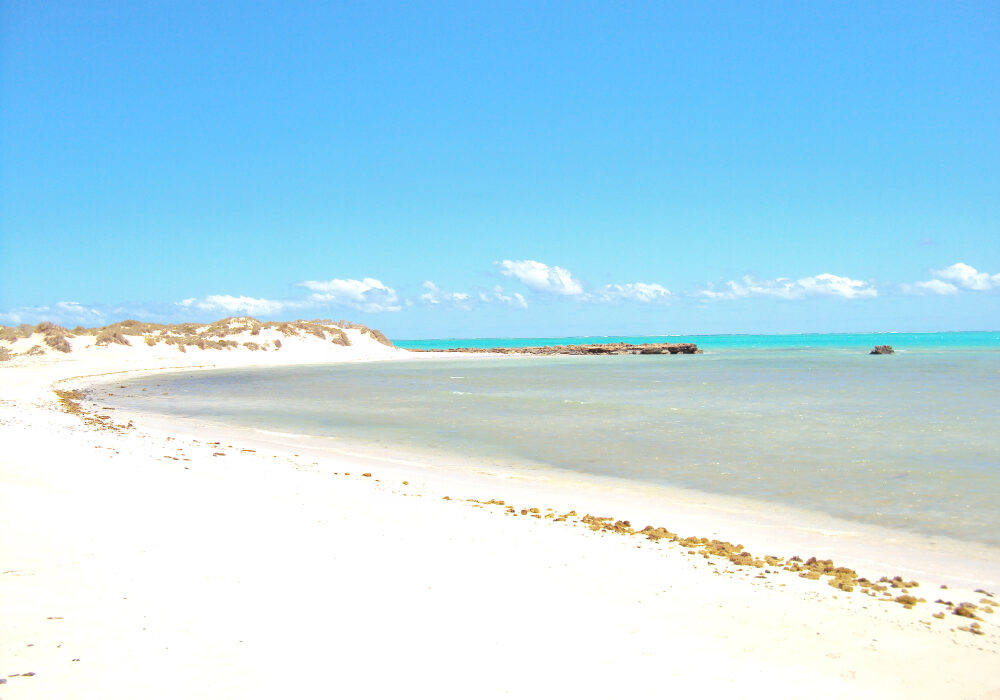
Secluded 4WD-access campground with basic amenities near Ningaloo Marine Park.

Bruboodjoo Campground
Bruboodjoo Campground is a large, off-grid coastal camping area north of Coral Bay suited to self-contained travellers, especially fishers and boat owners.
Expect big open sites, beach launching access, and a remote feel rather than structured campground facilities.
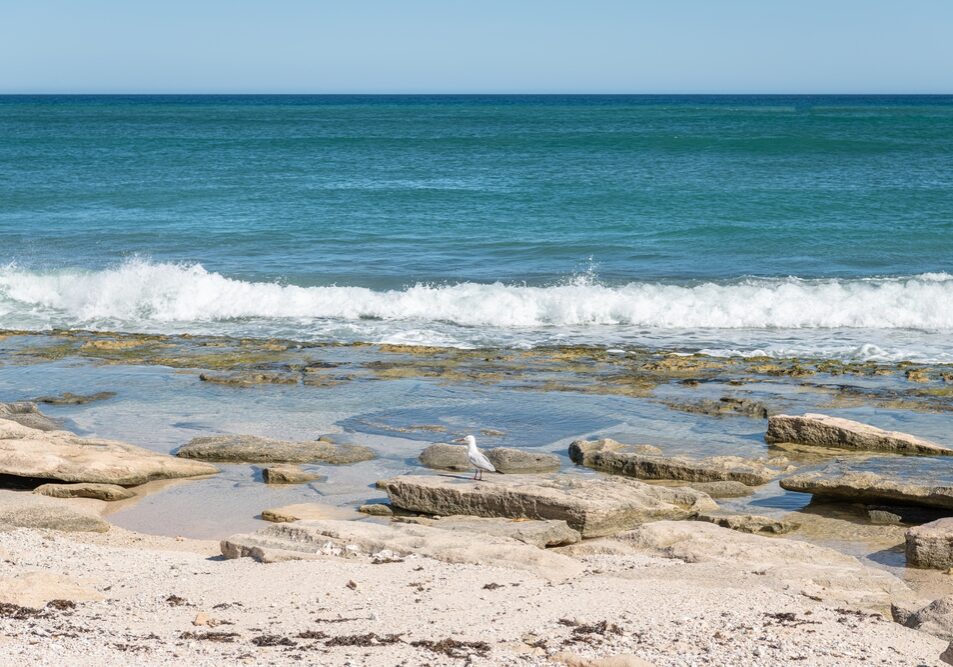
Bungarra Campground
Bungarra Campground is a small inland campground set slightly back from the shoreline, offering a quieter and more sheltered stay than the beachfront sites.
With only a handful of camps and a short walk to the water, it suits travellers who want proximity to the coast without being directly exposed to wind and salt.
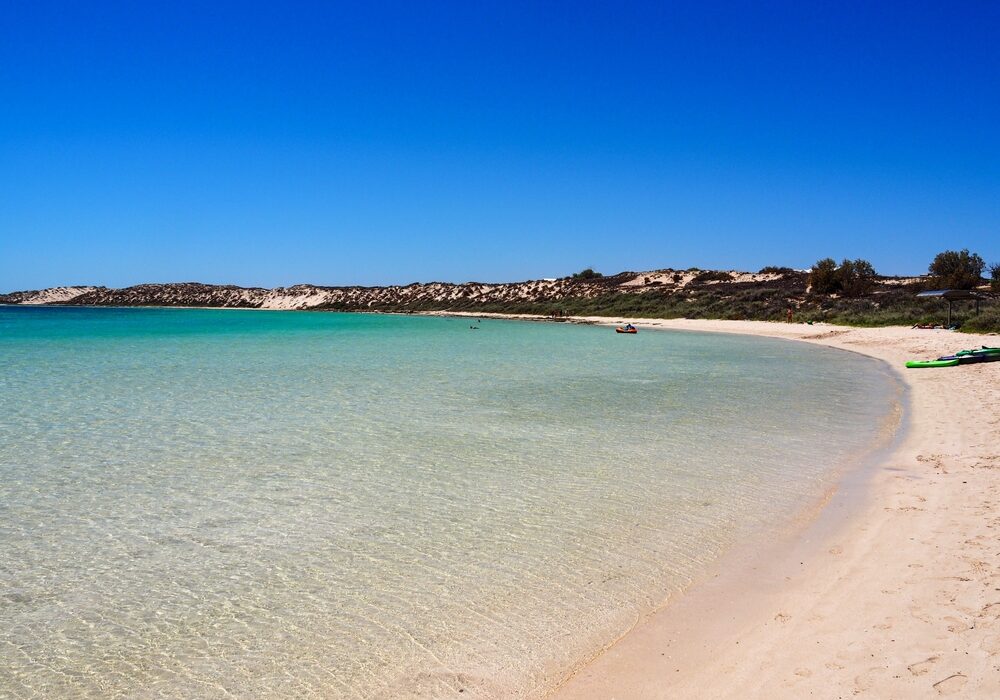
Janes Bay Campground
Janes Bay Campground is a remote coastal campsite suited to travellers who want space, simplicity and a proper off-grid stay.
There are no built facilities, just open camps, ocean views and plenty of wind. The journey in can be rough, so it’s best suited to well-prepared campers with capable vehicles and everything they need on board.
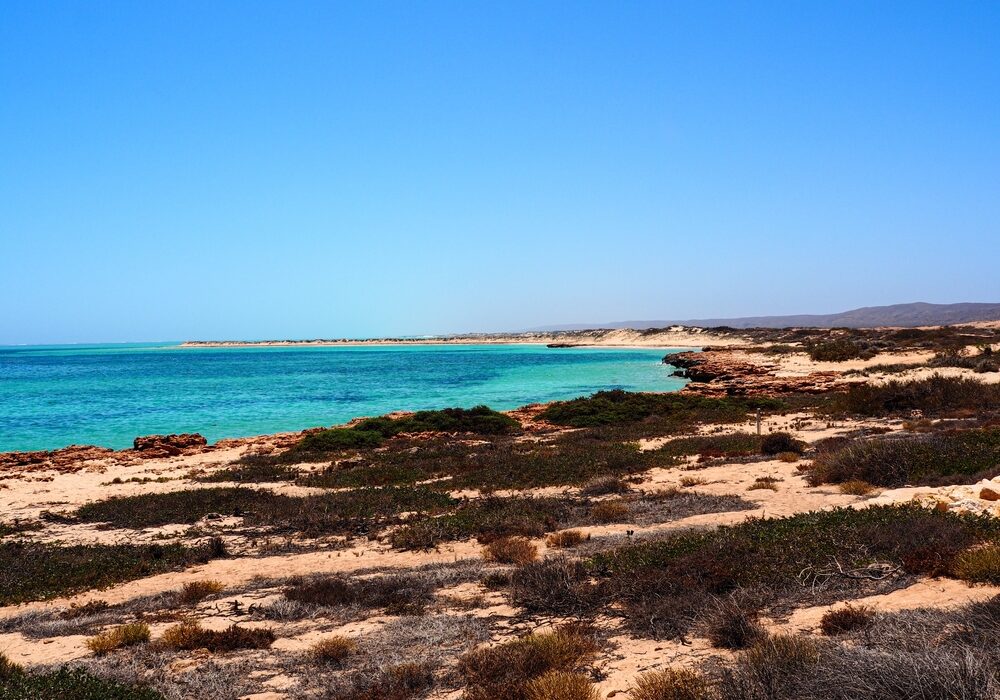
Kurrajong Campground (Cape Range)
Kurrajong Campground is a quieter Cape Range campground with easy dune access to the water, clean facilities and a laid-back feel.
It’s a solid choice for travellers who want a more peaceful base, simple amenities, and quick access to swimming and reef time.
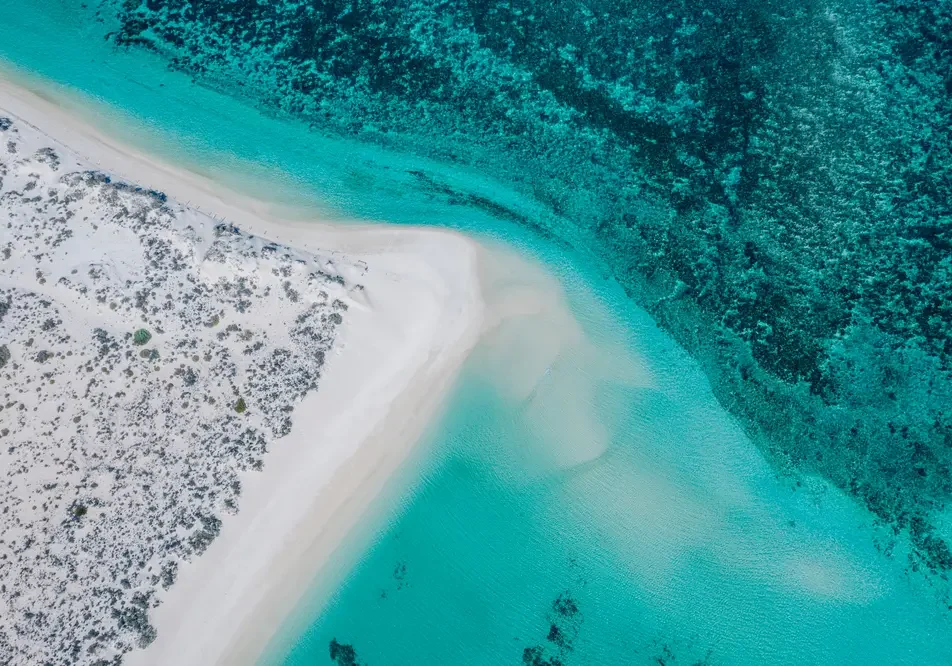
Mesa Camp
Mesa Campground is a popular coastal campground with spacious sites, beach access and easy launching for small boats.
Facilities are simple but well maintained, and some sites have shade. Generators are permitted during set hours.
Neds Campground
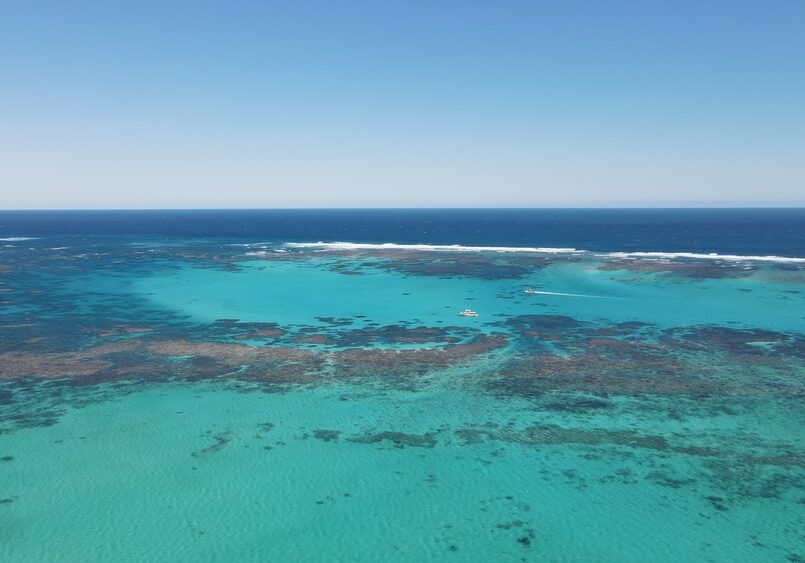
Neds Campground is a small, peaceful campground tucked behind the dunes with a short walk to a quiet swimming beach and excellent sunset views.
Sites are spacious, some with tree cover, and facilities are simple but well maintained.
North Kurrajong & T-Bone Campground (Cape Range)
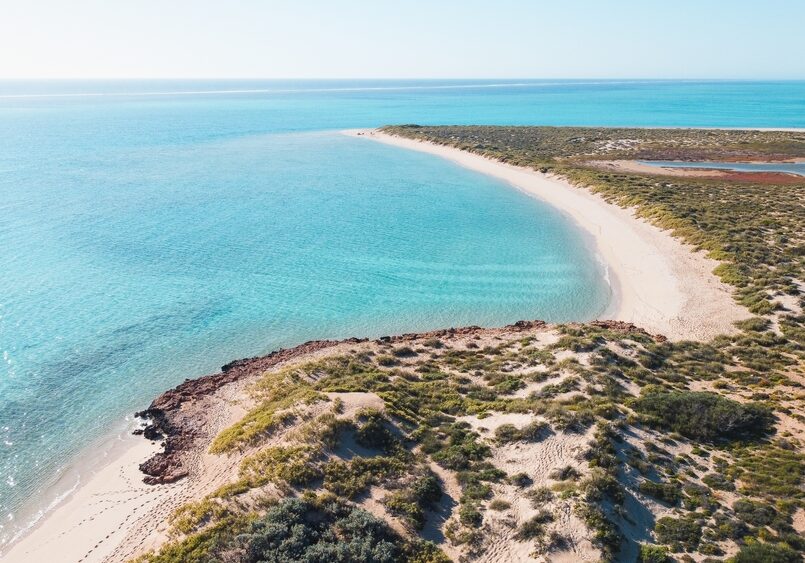
North Kurrajong Campground is a spacious coastal campground set just behind the dunes with easy access to reef and swimming areas.
Facilities are basic but well maintained, and the location is known for wildlife sightings, snorkelling and peaceful surroundings.
Best suited to self-sufficient travellers wanting nature, quiet and proximity to the reef rather than a serviced camping area.
North Lefroy Campground
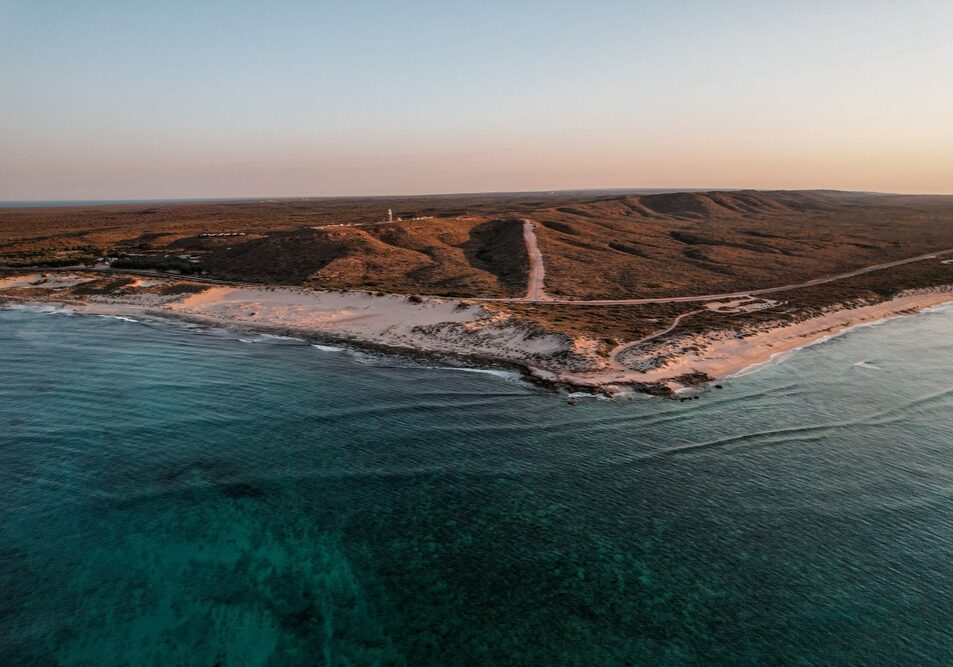
North Lefroy is a spacious beachfront campground with large private sites and excellent access to fishing and boating.
Facilities are basic and the access track can be rough and sandy, so a capable 4WD and lowered tyre pressures are essential.
North Mandu Campground
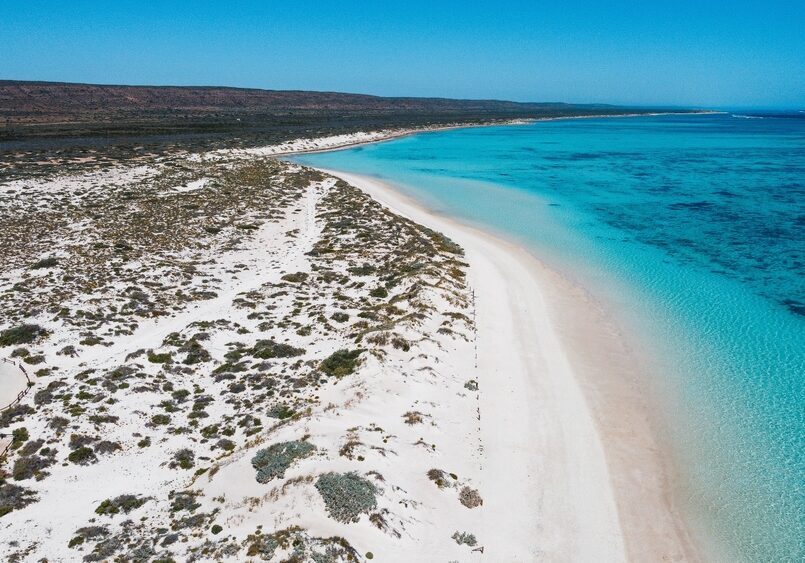
North Mandu is a small, secluded campground with only a handful of sites tucked behind the dunes.
Facilities are simple but generally well maintained, and the location offers peaceful camping close to some of the best beaches and snorkelling areas in Cape Range.
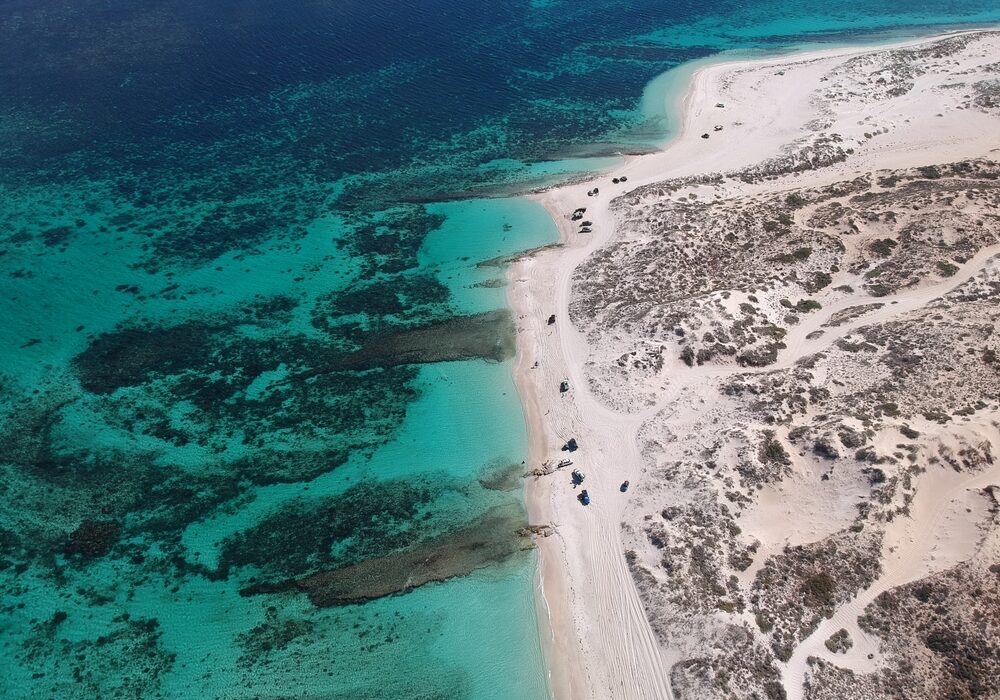
One K Campground
One K is a quiet and remote campground suited to self-sufficient travellers looking for space and solitude.
Facilities are basic and access requires some preparation, including lowering tyre pressures before arrival.
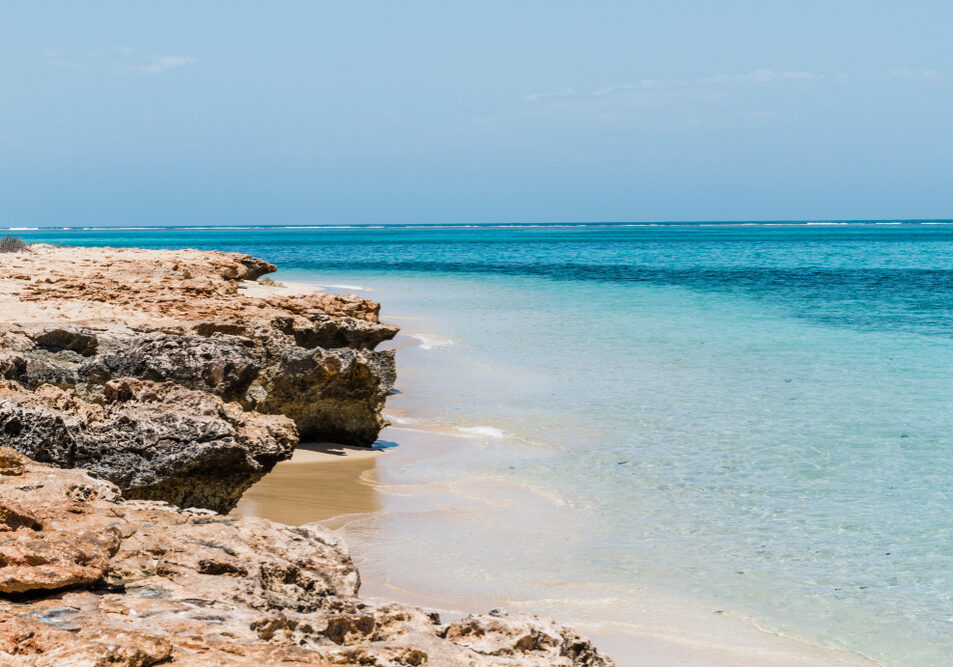
Osprey Bay Campsite
Osprey Bay Campsite is one of the standout campgrounds on the Ningaloo coast, with big, well-spaced sites right by the water, spotless long-drop toilets, and unreal snorkelling straight off the beach.
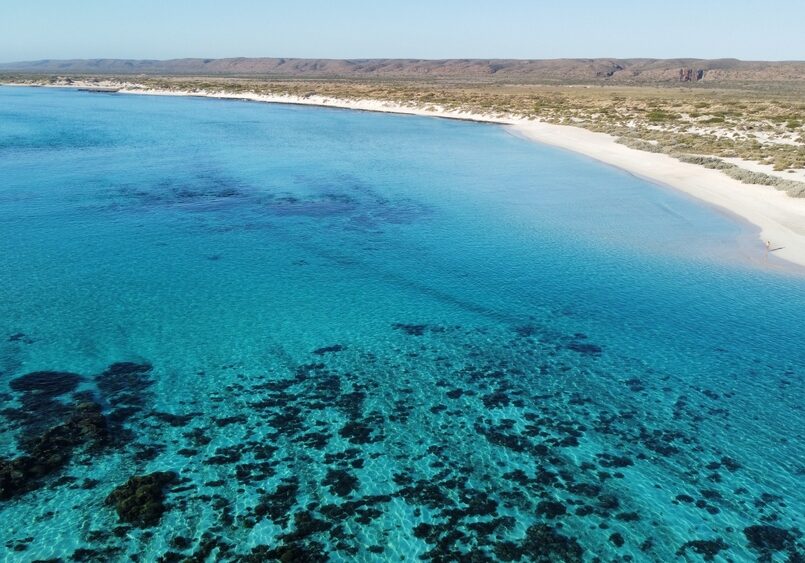
Point Billie Campground
Point Billie Campground is a big, off-grid Ningaloo Station campground best suited to boaters and fishos, with huge sites, cracking sunsets, and plenty of wildlife. Expect wind, exposure and a rough corrugated 4WD approach.
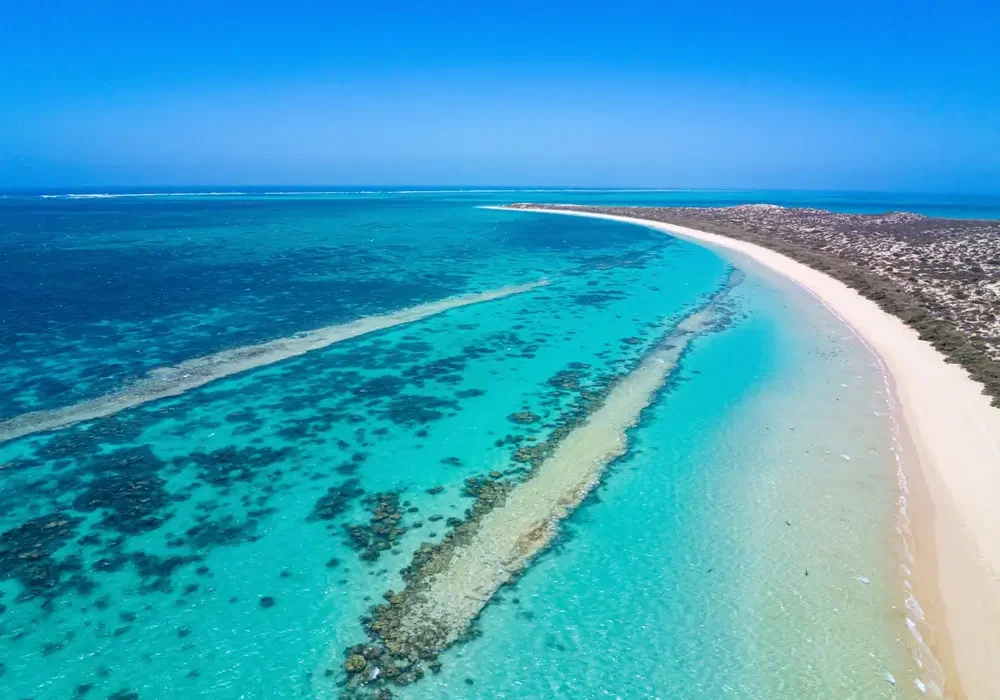
Sal Salis Ningaloo Reef
Sal Salis offers an exclusive, eco-luxury safari camp set within the dunes of Cape Range National Park, overlooking Ningaloo Reef.
With just 16 wilderness tents and one honeymoon tent, the experience blends barefoot comfort with guided nature-based activities and all-inclusive hospitality in a remote coastal setting.

South Lefroy Bay Campground
South Lefroy Bay Campground is a seriously special Ningaloo Station beach camp with clear, calm turquoise water and reef access straight off the sand.
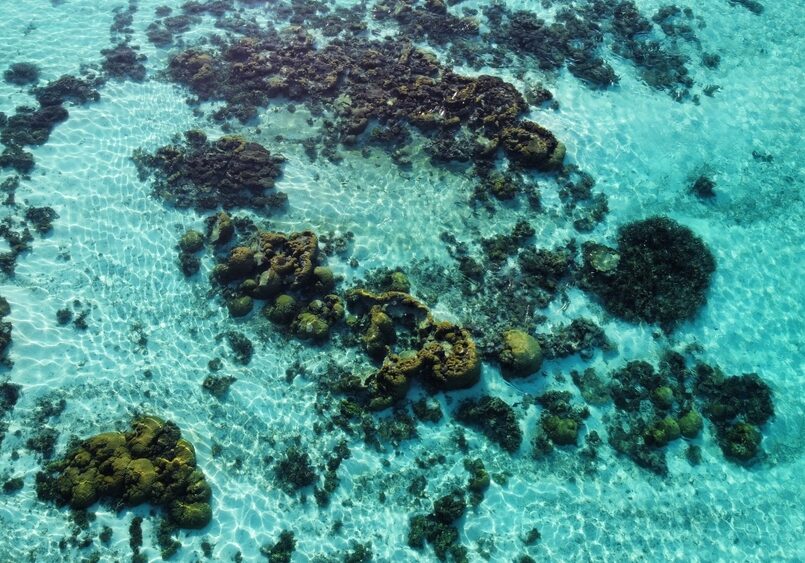
Stans Camp (Overflow Camp)
A basic Ningaloo Station overflow campground sitting inland from the reef line. It’s open, exposed and self-contained only, often used when nearby beachfront camps are full.
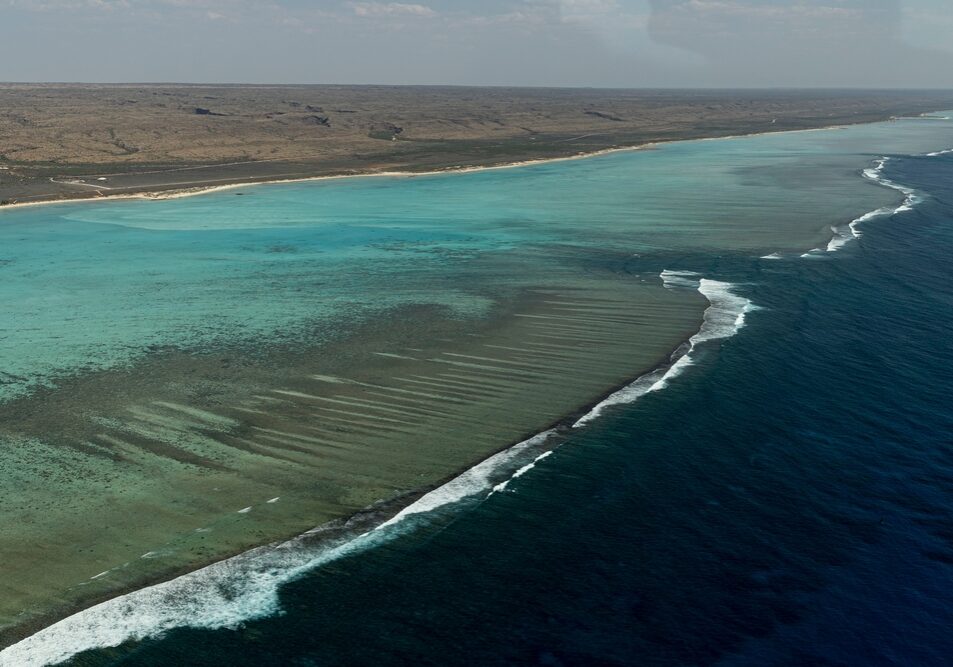
The Ridge Campground
Remote bush campground south of Coral Bay with unpowered sites and basic facilities.
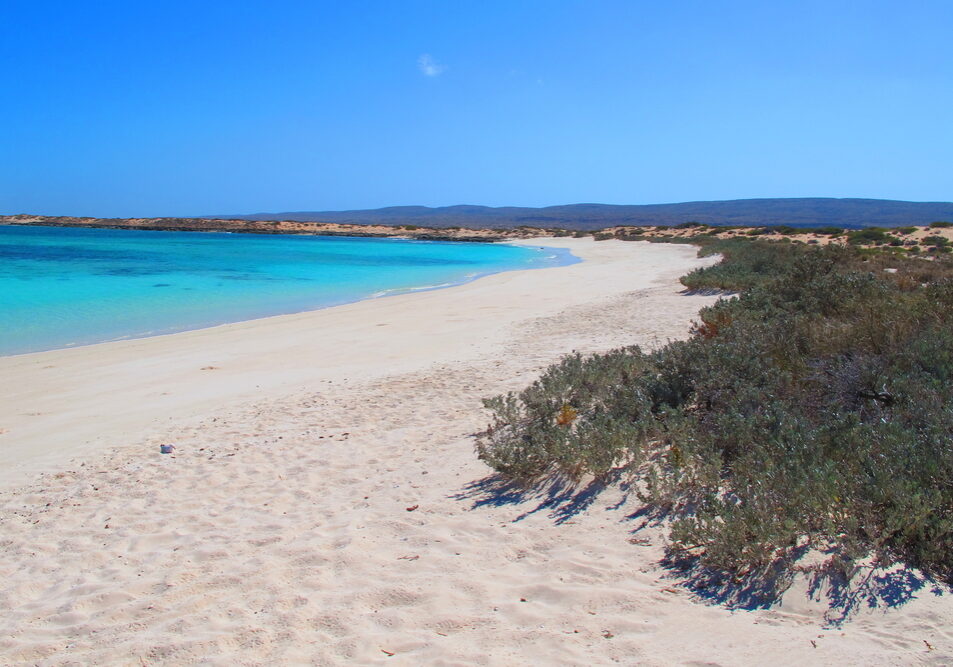
Tulki Beach Campground
Tulki Beach Campground is a small, well-kept Cape Range National Park campground known for its peaceful feel and proximity to some of Ningaloo’s best snorkelling areas.
Not directly on the reef edge, but close enough to paddle or walk to the water with ease.
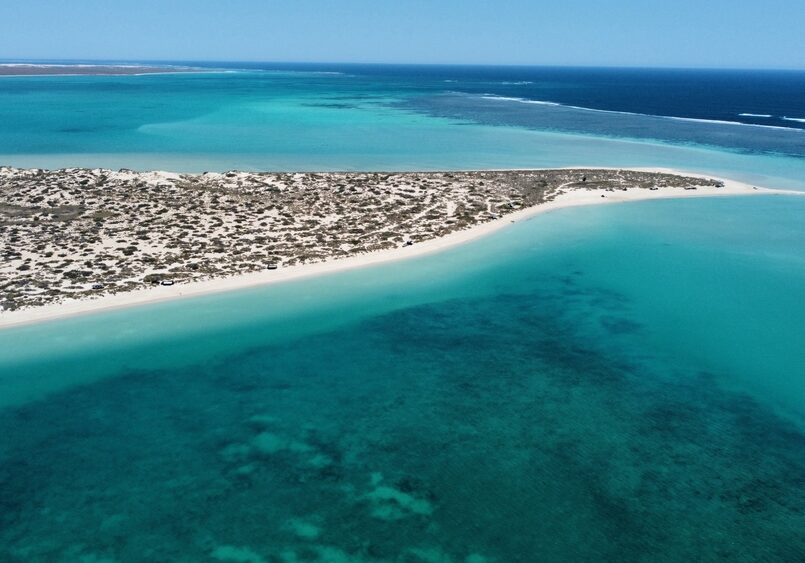
Winderabandi Point Campground
Winderabandi Point Campground is a remote beachfront campground on Ningaloo Station offering one of the most immersive reef and wildlife experiences along the coast.
Expect true off-grid camping, soft sand access and wide-open ocean views. It rewards preparation – and punishes complacency.
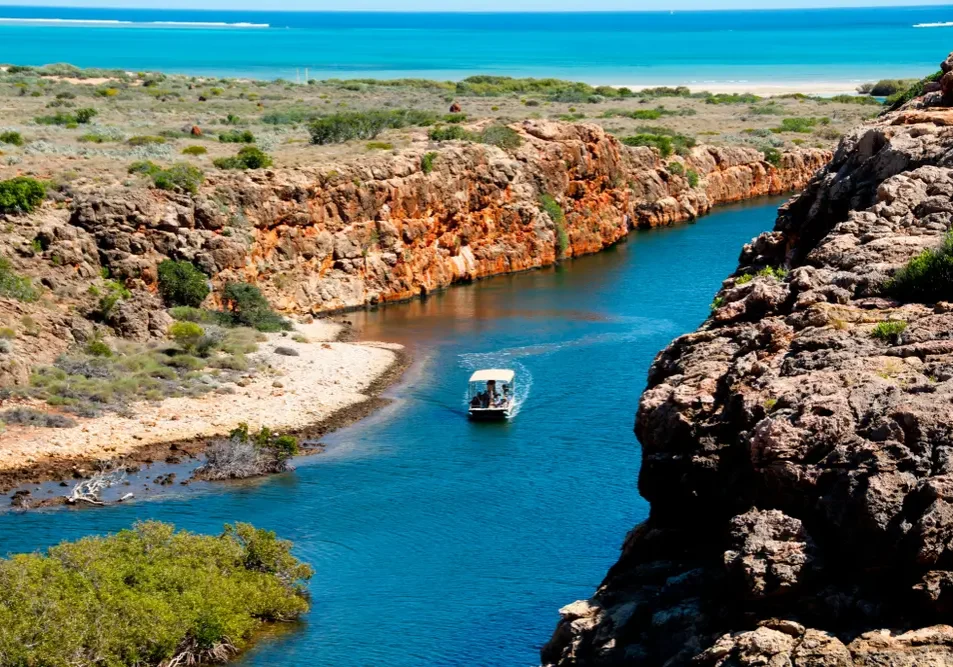
Yardie Creek Campground
Yardie Creek Campground is a small, beachside Cape Range National Park campground near the Yardie Creek gorge walks. People rate it highly for the location, sunsets, stargazing and the camp host vibe, but it’s basic and books out fast.
Bring water, expect long-drop toilets, and plan around the creek crossing if travelling south.